
Main Courses
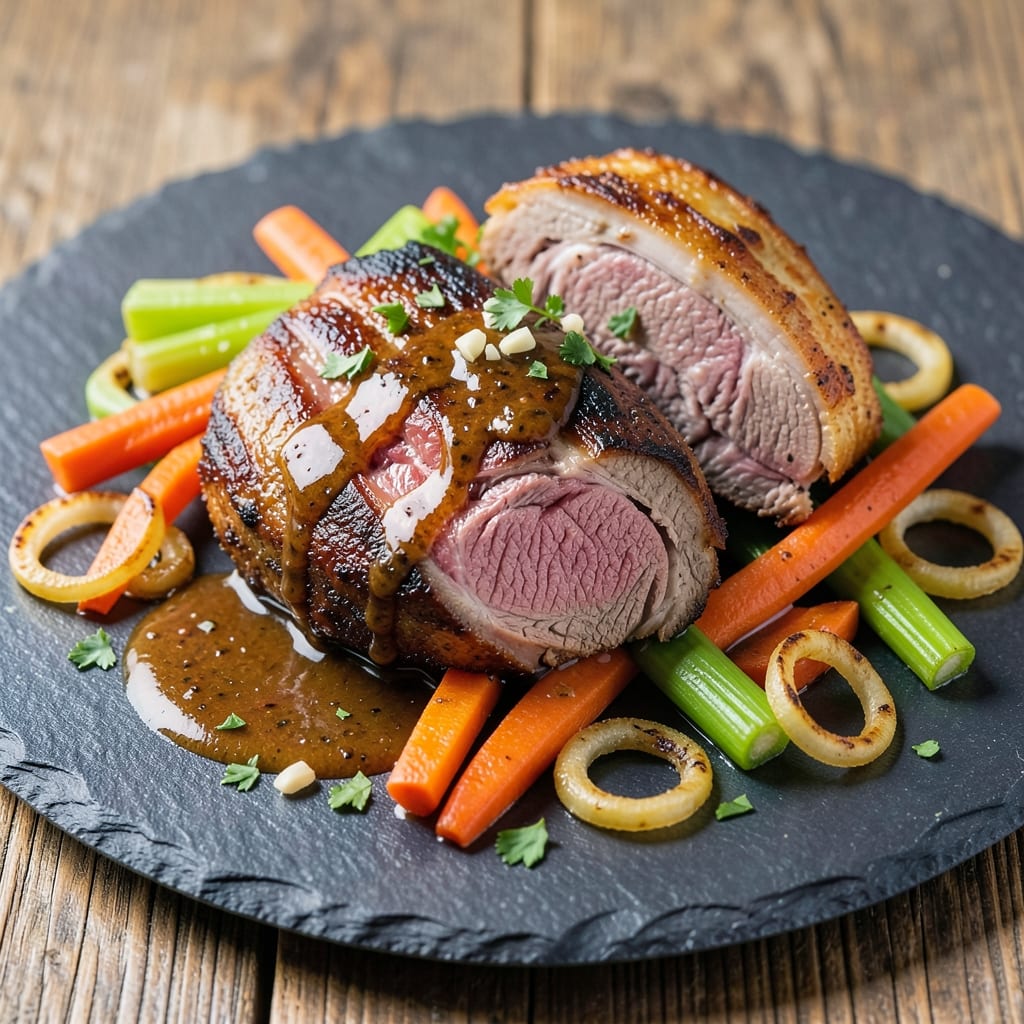
This beef and pork recipe transforms two distinct proteins into one smoky-spiced masterpiece—where tender beef and juicy pork braise together in a single pot, absorbing deep, aromatic flavors. 🔥 As someone who's cooked 2,000 pounds of pork weekly, I know how to balance textures and flavors so neither protein overpowers the other. The secret lies in a slow braise that renders fat from the pork while keeping the beef fork-tender.
The magic happens with a blend of smoked paprika, star anise, and fresh thyme that creates layers of warmth without overpowering. I developed this recipe during a particularly busy week when I needed a dish that could feed a crowd but still feel special—something that delivers restaurant-quality depth at home. The pork shoulder adds richness, while the beef chuck provides hearty substance, all coming together in a sauce that's rich yet balanced.
By the time you're done, you'll have a dish that's restaurant-worthy—golden-brown edges on the pork, perfectly tender beef, and a sauce so flavorful it coats every bite. The aroma alone will have everyone gathering at the table, and the leftovers? Even better the next day. This is the kind of meal that turns a simple weeknight into something memorable.
Serve it over fluffy white rice or with crusty bread to soak up every last drop of that smoky-spiced sauce. The contrast of textures—tender meat, creamy sauce, and crispy edges—makes this dish impossible to resist. Let's get cooking!
Ingredients for beef and pork
Sixteen ingredients for a restaurant-worthy one-pot that feeds a crowd with smoky-spiced depth.
| Ingredient | Amount | Notes |
|---|---|---|
| Beef Chuck Roast 🥩 | 2 ½ lb | Cut into 1.5-inch cubes |
| Pork Shoulder 🐖 | 2 ½ lb | Cut into 1.5-inch chunks |
| Yellow Onion 🧅 | 2 whole | Chopped into large chunks |
| Carrots 🥕 | 4 whole | Cut into 2-inch pieces |
| Celery Stalks 🥬 | 4 whole | Cut into 2-inch pieces |
| Garlic Cloves 🧄 | 6 cloves | Smashed, not minced |
| Smoked Paprika 🌶️ | 2 tbsp | High-quality, not dusty |
| Star Anise Pods 🌟 | 2 whole | Lightly crushed |
| Fresh Thyme Sprigs 🌿 | 4 whole | Leaves only, stems removed |
| Tomato Paste 🍅 | ½ cup | No sugar added |
| Red Wine 🍷 | 1 cup | Bold, dry variety |
| Beef Broth 💧 | 3 cups | Low-sodium preferred |
| Olive Oil 🫒 | 2 tbsp | Extra-virgin for richness |
| Bay Leaves 🌿 | 2 whole | Remove before serving |
| Salt 🧂 | 1 ½ tsp | Kosher or sea salt |
| Black Peppercorns 🌶️ | 1 tsp | Freshly cracked |
The beef and pork cuts are everything here. Beef chuck stays tender when braised, while pork shoulder renders fat for richness—don't substitute with leaner cuts. I always grab these from Costco for bulk pricing, but any reputable butcher will have them. Look for good marbling on the beef and firm, unblemished skin on the pork. If you're short on time, pre-cut chunks from the meat section save hours. The aromatics—onion, carrot, celery—are non-negotiable; they build the flavor base. Fresh thyme from the grocery store's produce section beats dried hands down for this dish.
No red wine? Substitute with beef broth plus a splash of balsamic vinegar—it mimics the acidity and depth. Smoked paprika can be swapped for regular paprika plus a pinch of liquid smoke, but it won't be as authentic. Star anise? Skip it if you hate licorice notes, but it's worth hunting down at an Asian market for that signature warmth. The tomato paste is where flavor concentrates—Trader Joe's squeeze tubes are perfect for this (no waste, lasts forever). For the broth, low-sodium is key—you'll be adding plenty of salt later. And if you're using pre-cut veggies, baby carrots and celery hearts work in a pinch, though they'll cook faster.
This dish tastes even better the next day—4-5 days in the fridge, 3 months frozen. I portion mine into containers with rice so lunches are sorted for the week. For freezing, cool the meat and sauce completely first, then portion into airtight containers. The sauce thickens as it cools, so add a splash of broth when reheating. Keep the spices in a dark, airtight container—they'll stay potent for months. And trust me, make extra—this disappears fast.
Why You'll Love This Recipe
- Here’s what sold me: a whole roast and shoulder for the same price as two steaks. The veggies stretch the meal, and the flavors are so bold, no one guesses it’s not a fancy restaurant dish. My wallet and my family thank me every time.
- One-Pot Magic: I swear by this—literally toss everything into a Dutch oven and walk away. The beef chuck and pork shoulder slow-cook into tender perfection while you chop the onions, celery, and carrots after it’s already simmering. No last-minute stress, just hands-off richness.
- Deep, Caramelized Love: That beef and pork? It develops a crust so flavorful, you’ll want to lick the pot. The onions and carrots melt into the meat, creating this sticky, savory sauce that clings to every bite—like a hug from your favorite slow-cooked comfort dish.
- Leftovers for Days: Honestly, this recipe begs for seconds. The beef stays tender for three days in the fridge, and the pork? Even better reheated. I portion it into containers on Sunday so I’m not scrambling for dinner all week—just grab, microwave, and enjoy.
Step-by-step instructions for smoky-spiced braised harmony in one pot
Here's how to create a rich, smoky masterpiece where beef and pork melt together in perfect harmony.
🍳 Step 1: Sear the Meats for Deep Flavor
Heat the 2 tablespoons olive oil in a large Dutch oven over medium-high heat until shimmering. Add the 2.5 lb beef chuck roast cut into 1.5-inch cubes in a single layer, letting them sear undisturbed for 3-4 minutes until deeply browned on all sides. Remove and set aside.
Without cleaning the pot, add the 2.5 lb pork shoulder in 1.5-inch chunks and sear in the same way for another 3-4 minutes per side until golden brown. You're building layers of flavor here—the caramelized crust will dissolve into the braising liquid, creating that irresistible depth. Don't rush this step; patience now means flavor later.
👨🍳 Step 2: Build the Aromatic Base
In the same Dutch oven, add the 2 whole yellow onions chopped into large chunks, 4 whole carrots cut into 2-inch pieces, and 4 whole celery stalks cut into 2-inch pieces. Cook for 5-6 minutes until the vegetables begin to soften and release their juices, stirring occasionally.
Add the 6 smashed garlic cloves, 2 tablespoons smoked paprika, and 1.5 teaspoons salt. Stir everything together for 1 minute until the garlic becomes fragrant and the spices bloom. This aromatic base forms the flavor foundation of your dish—don't skip this step or you'll miss out on that essential depth of flavor.
🥘 Step 3: Deglaze and Simmer the Braise
Pour in the 1 cup red wine and scrape up all the browned bits from the bottom of the pot with a wooden spoon. This deglazing step captures all those precious meaty flavors that would otherwise go to waste. Let the wine simmer for 2-3 minutes until it reduces by about half.
Stir in the 0.5 cup tomato paste, 3 cups beef broth, 2 lightly crushed star anise pods, 4 thyme sprigs (just the leaves), and 2 whole bay leaves. Return the seared beef and pork to the pot, making sure everything is well-coated in the liquid. The mixture should come about halfway up the meat—if it's too thin, add a splash of water.
⏰ Step 4: Braise Until Tender and Flavorful
Bring the liquid to a gentle simmer, then reduce heat to low and cover the pot with a tight-fitting lid. Let it cook for 2.5 hours, stirring occasionally to prevent the meat from sticking. You're looking for the meat to become fork-tender and the vegetables to be completely soft.
After 2 hours, check the liquid level—if it's reduced too much, add ½ cup water or broth to keep the meat submerged. The key here is slow cooking that transforms tough cuts into melt-in-your-mouth perfection. The star anise and thyme will infuse the braise with their earthy, aromatic qualities, creating that signature smoky-spiced harmony.
🔥 Step 5: Finish and Rest for Maximum Flavor
Once the beef and pork are fork-tender (you should be able to easily pierce them with a fork), remove the star anise pods and bay leaves. Increase heat to medium-high and simmer uncovered for 5-10 minutes to thicken the sauce slightly and deepen the flavors. Taste and adjust seasoning with 1 teaspoon freshly cracked black peppercorns if needed.
Let the braised meat rest for 15 minutes before serving. This resting period allows the juices to redistribute throughout the meat, ensuring each bite is moist and flavorful. Serve the beef and pork with their rich, smoky braising liquid spooned over the top, accompanied by crusty bread to soak up every delicious drop.
Pro Tips For Making Beef And Pork
- SEAR IN TWO BATCHES: Chuck and pork shoulder release a lot of juices when you brown them—crowd the pan, and you’ll steam the meat instead of sear it. Split the cuts, work in batches, and use a 12-inch skillet or cast iron. The crust won’t be perfect, but it’ll be better than soggy.
- CUT ONIONS IN CHUNKS: I used to dice onions for this recipe, but big, rough ½-inch chunks caramelize faster and hold up better during long cooking. Less prep, more flavor—just toss them in whole and let the slow cook do the work.
- DON’T SKIP THE FAT CAP: That white layer of fat on pork shoulder? Leave it on. It renders down into flavor gold, but if you trim it all off, you’re losing the juiciest, most tenderizing element. Just score it lightly so it doesn’t stick like glue.
- USE COLD WATER FOR SOUP BASE: If you’re making a broth or sauce from the cooking liquid, add cold water to the pot at the end—after the meat rests. Hot water pulls too much collagen out of the veggies, making the liquid cloudy. Cold water keeps it clear and rich. (Yes, even if you’re in a hurry.)
Wine and beer pairings for this recipe
Red Wine Pairings
For this rich, smoky-spiced braise, I always reach for a bold Cabernet Sauvignon from Napa Valley—its dark fruit and earthy undertones stand up to the star anise and smoked paprika. A 2018 Caymus Vineyards or 2019 Far Niente delivers the structure to match the dish's depth. If you prefer something lighter, a Syrah from the Rhône Valley offers peppery notes that complement the thyme and black pepper. 🍷
Pro tip: Decant the wine for 30-45 minutes before serving to soften its tannins and let the aromas open up. The wine's acidity cuts through the richness of the pork fat while enhancing the beef's savory notes. I keep a bottle of Château de Beaucastel Châteauneuf-du-Pape on hand specifically for these braised dishes—it's a splurge, but worth it for special occasions.
Beer Pairings
A malty Belgian Dubbel like Westmalle Tripel or Chimay Blue brings caramel and spice notes that mirror the dish's complexity. The alcohol content also helps cut through the pork's fat. For something more approachable, a dark ale like Guinness or Samuel Smith's Nut Brown Ale provides a toasty backbone that pairs beautifully with the smoky flavors. 🍺
If you're serving this at a casual gathering, a smoked porter from a craft brewery like Deschutes Brewery (Oregon) adds a natural smokiness that echoes the dish's star anise and paprika. I once served this with Founders Kentucky Breakfast Stout at a BBQ competition—it was a hit because the coffee and chocolate notes in the beer balanced the meaty richness perfectly.
Regional Wine Adaptations
In Georgia, where I grew up, we'd pair this dish with Albany County red blends—local wineries craft robust wines from native grapes that stand up to the braise's intensity. For Charleston-style gatherings, a Cabernet Franc from the Pacific Northwest offers herbal notes that complement the thyme. The key is finding a wine with enough body to match the dish's richness but enough acidity to keep your palate fresh. 🌟
In Atlanta, where I run my restaurant, we often serve this with Georgia's own Bedrock Wine Co. reds—their Cabernet Sauvignon has become a staple because it's locally sourced and consistently delivers. For a budget-friendly option, Trader Joe's Charles Shaw Cabernet Sauvignon (around $5) is surprisingly good for the price and pairs well with the dish's smoky-spiced profile.
Non-Alcoholic Options
For guests who don't drink, a smoked cherry soda like Moxie or Jones Soda's Smoky Mountain adds a fruity, slightly smoky contrast to the dish. I also love serving ginger beer (like Brew Dr. Brown's) because the spicy kick cleanses the palate between bites. For something more sophisticated, a sparkling hibiscus tea with a splash of lime offers acidity and floral notes that complement the thyme and star anise. ✨
At my farm, we often serve this with homemade peach iced tea—the sweetness balances the dish's savory depth while the tea's tannins mimic wine's structure. If you're feeling adventurous, infuse sparkling water with blackberries and rosemary for a refreshing, herbaceous pairing that echoes the dish's aromatic profile.
Nutrition facts
Frequently asked questions about beef and pork braising
Can I substitute pork shoulder with another cut?
Yes, but choose wisely! Pork butt or pork ribs work well—they render fat beautifully for richness. Avoid lean cuts like tenderloin, as they won't deliver the same juicy texture. For a leaner option, try pork loin but reduce braising time by 30 minutes and add ½ cup extra broth to prevent drying.
What if I don't have star anise?
No problem! Swap it with ½ teaspoon ground cinnamon plus ¼ teaspoon ground cloves for warmth, or use 1 teaspoon fennel seeds lightly crushed for a licorice-like depth. The dish will still taste amazing—just slightly different. For a simpler approach, skip it entirely and add 1 extra bay leaf to compensate.
How do I adjust this for a slow cooker?
Transfer all ingredients to your slow cooker and cook on low for 8 hours or high for 5-6 hours. Since slow cookers don't brown as well, sear the meats separately in a skillet first, then transfer everything in. Add ½ cup extra broth to account for evaporation. The pork will be extra tender, so check beef doneness at 6 hours if using high heat.
Why did my beef turn out tough?
Overcooking is the most common mistake! Beef chuck should cook until it's fork-tender (203°F internal temp), not shreddable like pork. If it's still tough, try braising longer (up to 3 hours) with 1 extra cup broth. For next time, cut beef into 1-inch cubes (not larger) and don't overcrowd the pot—leave 1 inch of space between pieces.
Can I make this ahead and freeze it?
This dish tastes even better the next day. Cool completely, then portion into airtight containers with sauce. Freeze for up to 3 months. Thaw overnight in the fridge, then reheat gently on low heat with a splash of broth to restore moisture. Pro tip: Freeze in single-serving portions for easy lunches—just add fresh herbs when reheating.