
Sauces & Condiments
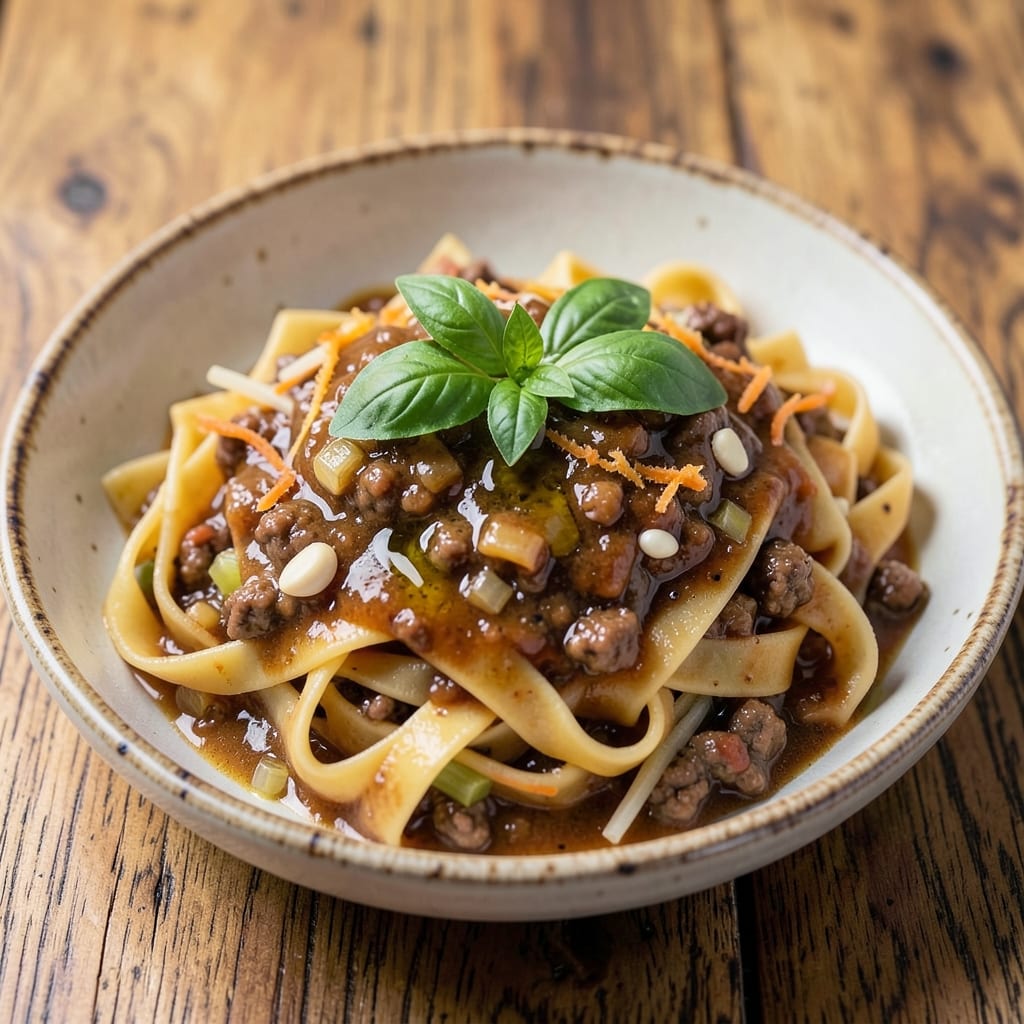
This beef and pork Bolognese sauce recipe transforms humble ingredients into a deep, rich umami masterpiece that elevates any dish. 🌟 The secret lies in slow-cooking ground beef and pork with aromatic vegetables, red wine, and tomatoes until they meld into a velvety, flavor-packed sauce. I developed this version after years of perfecting the balance between meaty depth and bright acidity—it's the kind of sauce that makes homemade pasta taste like you've dined at a Michelin-starred trattoria.
The foundation of great Bolognese is patience and technique. Unlike quick sauces, this one builds flavor through hours of gentle simmering, allowing the meat to render its juices and the wine to mellow into complexity. You'll start with a soffritto of onions, carrots, and celery—the classic "holy trinity" of Italian cooking—that forms the aromatic base before adding the meat. The key? Cooking the meat slowly until it's completely broken down, creating a sauce so rich it practically melts in your mouth.
What you'll end up with is a sauce that's equally at home on fresh pasta, stuffed in lasagna layers, or served alongside polenta. The texture is velvety yet substantial, with just the right balance of acidity from the tomatoes and depth from the wine. It keeps beautifully in the refrigerator for up to five days or freezes for months, making it perfect for meal prep. This isn't just a sauce—it's a flavor foundation that turns simple meals into something extraordinary.
The beauty of this recipe is its versatility. Use it as a base for your favorite Italian dishes or serve it alongside grilled meats and crusty bread. The slow cooking process develops layers of flavor that store-bought sauces can't match, and the meat-to-tomato ratio ensures each bite is packed with umami richness. Whether you're feeding a family or prepping for the week, this Bolognese sauce delivers restaurant-quality results with minimal effort.
Ingredients for beef and pork bolognese sauce
These 14 ingredients create a sauce so rich and complex it'll make you forget store-bought ever existed.
| Ingredient | Amount | Notes |
|---|---|---|
| Ground Beef (80/20) 🥩 | 1 ½ lb | 80% lean for best flavor |
| Ground Pork 🐖 | 1 lb | Freshly ground preferred |
| Yellow Onion 🧅 | 1 whole | Diced, medium size |
| Carrot 🥕 | 2 whole | Peeled, diced small |
| Celery Stalks 🌿 | 2 whole | Diced, stringy parts trimmed |
| Garlic Cloves 🧄 | 4 cloves | Minced, fresh preferred |
| Red Wine 🍷 | 1 cup | Bold dry variety (Cabernet) |
| San Marzano Crushed Tomatoes 🍅 | 28 oz | High-quality canned tomatoes |
| Tomato Paste 🍅 | 2 tbsp | Smooth, no sugar added |
| Extra-Virgin Olive Oil 🫒 | ½ cup | For richness and flavor |
| Dried Oregano 🍃 | 1 tsp | Italian variety preferred |
| Dried Basil 🌿 | 1 tsp | Or 1 tbsp fresh basil |
| Salt 🧂 | 1 ½ tsp | Kosher or sea salt |
| Ground Black Pepper 🌶️ | ½ tsp | Freshly ground preferred |
The meat is where the magic happens. Ground beef and pork (80/20 fat ratio) give you that deep umami flavor—don't skimp on the fat. I grab mine from Costco or Whole Foods where they sell it pre-ground. The San Marzano tomatoes are non-negotiable here—look for the 28 oz cans at Italian markets or specialty stores. They're sweeter and less acidic than regular canned tomatoes. For the soffritto, diced onion, carrot, and celery should be roughly the same size so they cook evenly. If you're in a rush, baby carrots work perfectly.
No red wine? Beef broth with a splash of balsamic gets you close. Fresh garlic is ideal, but dried at half the amount works in a pinch. The tomato paste is your flavor concentrator—don't skip it. I always use Trader Joe's tomato paste in the squeeze tube—it's convenient and keeps forever. For herbs, dried oregano and basil are fine, but fresh basil adds that bright, aromatic note. If you're making a big batch, double the herbs—they mellow out during cooking. The olive oil should be fruity and peppery—California extra-virgin brands work best.
This sauce tastes even better the next day as the flavors meld. Store in an airtight container in the fridge for up to 5 days, or freeze for 3 months. I portion mine into 2-cup containers for easy reheating—just add a splash of water or broth when warming. The sauce thickens as it cools, so don't be alarmed if it looks too thick when cold. Stir in a splash of water or wine when reheating. Leftovers make amazing sandwiches—just add some fresh basil and a drizzle of olive oil.
Why You'll Love This Recipe
- One-Pan Magic: I swear by this—just brown the beef and pork together, toss in the onion, carrot, and celery, and let it simmer. No chopping boards, no extra pots, just one pan doing all the work while you sip wine (or coffee, no judgment).
- Rich Umami Bomb: The 80/20 beef and pork combo? That’s the secret. The fat renders down into the sauce, and the pork adds a depth that turns this into something ridiculously flavorful—no fancy ingredients, just honest, hearty taste.
- Leftover Goldmine: Make a double batch on Sunday, and you’ve got dinner covered for days. Freezes like a dream, too—just reheat and serve over pasta, in a casserole, or straight from the pot with crusty bread. (Yes, even on a Tuesday night.)
- Budget-Friendly Powerhouse: Ground beef and pork stretch further than you’d think, especially with the veggies mellowing out the richness. I’ve fed four grown adults (plus my dog, who “helps”) for under $15—no compromises on flavor, just smart shopping.
Step-by-step instructions for beef and pork Bolognese sauce
Here's how to build deep, rich flavor layer by layer—no shortcuts, just pure umami magic.
🍳 Step 1: Sear the Meat for Maximum Flavor
Heat the 0.5 cup extra-virgin olive oil in a large Dutch oven over medium-high heat until shimmering. Add the 1.5 lb ground beef (80/20) and 1 lb ground pork in batches—don't overcrowd the pan. Let it brown undisturbed for 3-4 minutes until the edges are deep brown and crispy.
This searing step is non-negotiable. The caramelization creates the foundation for all that rich umami flavor. Use a wooden spoon to break up the meat as it cooks, but don't press down—this releases juices that would steam instead of brown. Once the meat is fully browned, transfer it to a plate and set aside.
👨🍳 Step 2: Sauté the Vegetable Base
In the same Dutch oven, add the diced yellow onion, diced carrot, and diced celery stalks (this trio makes a "soffritto"). Cook over medium heat for 8-10 minutes until the vegetables soften and the onion becomes translucent.
Here's where the flavor really starts building. You want the vegetables to cook down until they're almost disappearing—this concentrates their sweetness. Stir occasionally, but don't rush it. When the vegetables are tender and the mixture has reduced by about half, add the minced garlic cloves and cook for another 30 seconds until fragrant. Be careful not to burn the garlic—it should smell amazing, not bitter.
🍳 Step 3: Deglaze with Wine and Build the Sauce
Pour in the 1 cup red wine and scrape up all those browned bits from the bottom of the pan with a wooden spoon. This deglazing step captures all that concentrated flavor that would otherwise burn. Let the wine simmer for 3-4 minutes until it reduces by about half.
Now add the 2 tbsp tomato paste and stir to combine. The paste will thicken the sauce and deepen the tomato flavor. Cook for 1-2 minutes until the raw taste of the paste disappears. This is the moment that matters: the sauce is about to transform from simple to extraordinary.
🥘 Step 4: Simmer with Tomatoes and Herbs
Pour in the 28 oz San Marzano crushed tomatoes and stir well. Add the 1.5 tsp salt, 0.5 tsp ground black pepper, 1 tsp dried oregano, and 1 tsp dried basil. Return the browned meat to the pot and bring everything to a gentle simmer over low heat.
This is where patience pays off. Let the sauce simmer uncovered for 1.5-2 hours, stirring occasionally. The sauce should reduce until it's thick enough to coat the back of a spoon. If it gets too thick before then, add ¼ cup water to keep it moving. The longer it simmers, the deeper the flavors become—this is how you get that restaurant-quality richness.
⏰ Step 5: Rest and Adjust Seasoning
Once the sauce has reached your desired consistency (usually after 1.5-2 hours of simmering), remove it from heat. Let it rest for 10-15 minutes—this allows the flavors to meld and the sauce to thicken slightly. Taste and adjust seasoning if needed. You might need a bit more salt or pepper to balance the flavors.
The sauce should be rich, velvety, and packed with deep umami flavor. If you're serving it immediately, you can proceed to your choice of pasta. If you're making it ahead, let it cool completely, then transfer to an airtight container and refrigerate for up to 3 days or freeze for up to 3 months. The flavors actually improve with time!
Pro Tips For Making Beef And Pork Bolognese Sauce
- Brown the Meat Slowly: I learned this the hard way—dumping raw meat into a pan and cranking the heat just makes it steam instead of sear. Use medium-low heat and break the meat into tiny pieces with a wooden spoon, letting it release fat gradually. This builds flavor that won’t disappear when you add wine or tomatoes later.
- Sweat the Veggies Properly: That chopped onion, carrot, and celery mix isn’t just filler—it’s the base of your sauce’s depth. Cook it covered for 10 minutes with a splash of water to steam, then uncover to caramelize. If you rush this, your sauce will taste raw and dull (yes, even if you’re impatient like me).
- Deglaze with Wine Twice: After browning the meat, scrape up every last bit of browned bits with the wine—this is where the magic hides. Then, after the wine cooks off, add a second splash (just 2 tablespoons) to scrape the pan again. It’s not much, but it makes a real difference in richness.
- Use the Right Meat Ratio: Equal parts beef and pork (say, 1 lb each) gives you the best of both worlds—beef for structure, pork for fat and tenderness. If you’re short on pork, swap in Italian sausage instead of extra beef; the flavor won’t be the same, but it’ll still work.
Essential equipment for this recipe
Dutch Oven Essentials
A large Dutch oven is my non-negotiable choice for this sauce—it's heavy enough to distribute heat evenly and deep enough to handle the long simmer without boiling over. I use a Le Creuset 6-quart for its even heat retention and durability, but any enameled cast iron with a 5-6 quart capacity works. The deep sides prevent splattering when the wine reduces, and the tight lid helps trap steam for even cooking. 🔥
Wooden Spoon Must-Have
Never use metal utensils when deglazing or stirring the sauce—it scratches the Dutch oven's surface and can react with the acidic tomatoes. My go-to is a long-handled wooden spoon (I love the OXO Good Grips version) because it's heat-resistant and won't warp. The gentle stirring helps prevent the meat from breaking into tiny pieces, keeping some texture in the final sauce.
Meat Thermometer Precision
While we're not cooking whole cuts, a meat thermometer helps gauge when the meat is fully rendered. I use a ThermoWorks Smoke with a probe to check the internal temperature reaches 160°F—this ensures all bacteria are eliminated while keeping the meat tender. The probe also helps monitor the sauce's temperature during simmering to prevent scorching.
Fine-Mesh Strainer Backup
For when you want ultra-smooth sauce (like for lasagna), keep a fine-mesh strainer handy. I press the sauce through a stainless steel strainer lined with cheesecloth to remove any fibrous bits. This step is optional but transforms the sauce into a silky texture perfect for piping or layering. Store the strainer in your pantry for quick access during sauce-making days.
Red Wine Decanter
A glass wine decanter with a narrow neck becomes your secret weapon when deglazing. I pour the wine through it to aerate and remove sediment before adding to the pot. This ensures a cleaner flavor without the bitterness of oxidized wine. For budget options, a simple glass pitcher works too—just pour the wine back and forth a few times to aerate it before using.
Silicon Lid Lifter
After hours of simmering, the Dutch oven lid gets scorching hot. A silicon lid lifter (like the OXO Good Grips version) is safer than oven mitts—it grips the lid's edge without burning your fingers. I keep one within arm's reach while cooking, especially during the long simmer when I need to check the sauce frequently. Safety first, especially when working with hot liquids and steam. ✨
Nutrition facts
Frequently asked questions
Why does this recipe use both beef and pork instead of just beef?
The combination creates a more complex, layered flavor profile than beef alone. Pork adds natural sweetness and fat that keeps the sauce rich, while beef provides deep umami and hearty texture. The fat ratio (80/20) ensures moisture without greasiness. This balance is why traditional Italian Bolognese often includes pork—it prevents the sauce from becoming too heavy.
Can I make this sauce in a slow cooker instead of a Dutch oven?
Use a 6-quart slow cooker on low for 6-8 hours or high for 4-5 hours. Skip the initial searing step—just brown the meat in a separate pan first. The slow cooker's gentle heat develops flavors beautifully, though you'll need to stir occasionally to prevent sticking. Add a splash of water if it gets too thick during cooking.
What's the best way to store and reheat leftovers?
Store in an airtight container in the fridge for up to 5 days or freeze for 3 months. When reheating, add 1-2 tbsp water or broth per 2 cups of sauce to prevent thickening. Warm over low heat for 10-15 minutes, stirring occasionally. The sauce thickens as it cools, so adjust consistency when serving.
How can I make this sauce vegetarian or gluten-free?
For vegetarian: Replace meat with 1.5 lbs mushrooms (cremini or portobello) and 1 lb lentils, cooked until tender. For gluten-free: Ensure your tomato paste and San Marzano tomatoes are certified gluten-free, and use a gluten-free wine. The technique remains identical—just swap the ingredients while maintaining the same cooking times.
What happens if I don't let the sauce rest after cooking?
Rushing to serve without resting can result in a thinner, less flavorful sauce. The 10-15 minute rest allows the sauce to thicken naturally and lets flavors meld. If you're impatient, simmer uncovered for an extra 5 minutes to achieve similar results, but you'll lose some of that restaurant-quality depth.