
Soups & Stews
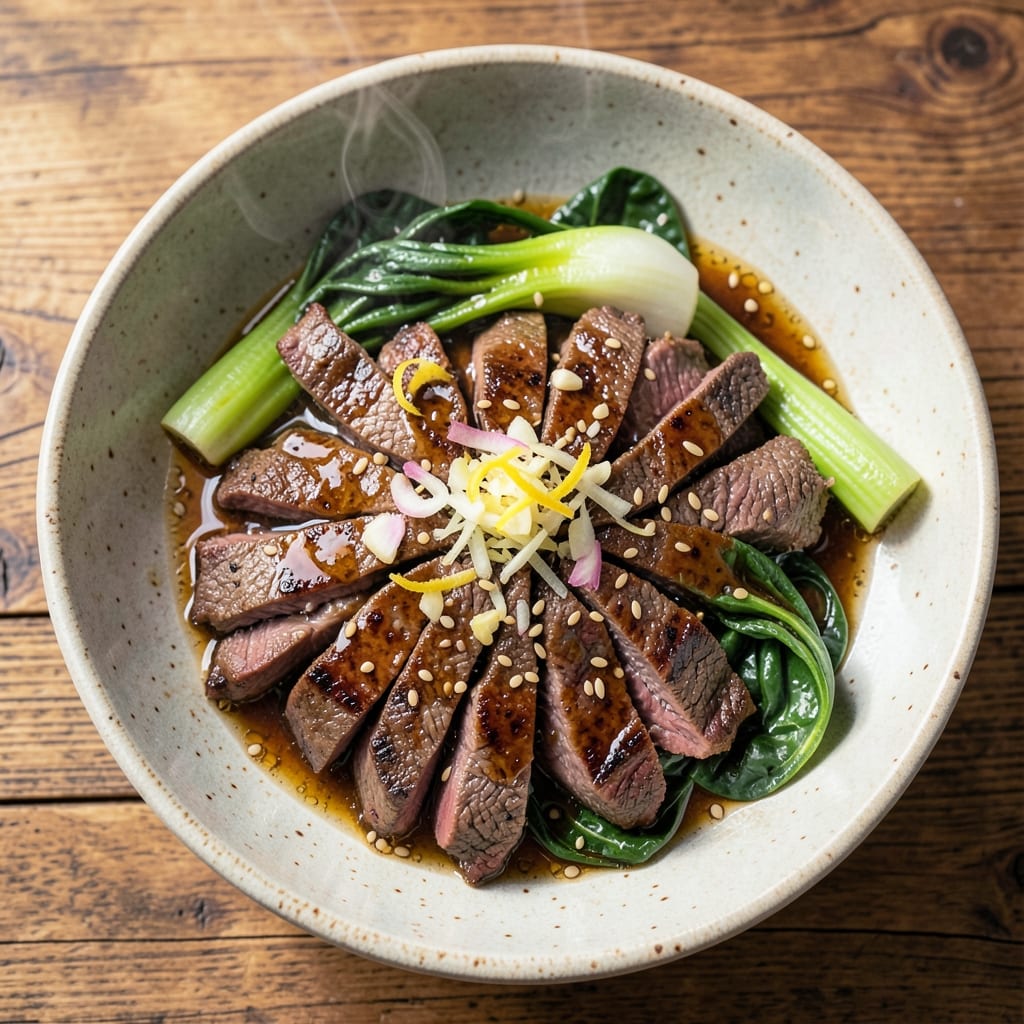
This beef and pechay recipe delivers the perfect balance of wok-hei crispy beef bites and silky greens in just 20 minutes. The secret lies in high-heat stir-frying—searing the beef until caramelized while keeping the pechay vibrant and tender. I developed this after years of perfecting stir-fry techniques, ensuring every bite has that signature smoky aroma and satisfying texture.
The magic happens in the wok, where beef strips sizzle until golden, then toss with pechay just long enough to wilt without losing its bright green color. A simple soy-ginger sauce ties everything together, adding depth without overpowering the natural flavors. This dish is restaurant-quality but designed for home cooks—no fancy equipment needed, just a hot pan and quick hands.
What you’ll end up with is a dish that’s bold, balanced, and packed with umami—crispy edges on the beef, tender yet slightly crisp pechay, and a sauce that clings perfectly. It’s hearty enough for a main course but light enough to pair with steamed rice or noodles. The best part? Leftovers reheat beautifully, making it a weeknight staple.
Whether you’re feeding a family or meal prepping for the week, this recipe delivers consistent results. The technique is foolproof, and the flavors are undeniably satisfying. Let’s get cooking—your taste buds will thank you.
Ingredients for beef and pechay
These ingredients deliver restaurant-quality wok-hei flavor in your home kitchen.
| Ingredient | Amount | Notes |
|---|---|---|
| Flank Steak 🥩 | 1 lb | Thinly sliced against grain |
| Baby Bok Choy (Pechay) 🥬 | 1 ½ lbs | Whole heads, trimmed |
| Sesame Oil 🫒 | 1 tbsp | For wok aroma |
| Soy Sauce 🍶 | 3 tbsp | Light or all-purpose |
| Fresh Ginger 🌿 | 1 tbsp | Finely grated, peeled |
| Garlic Cloves 🧄 | 4 cloves | Minced, aromatic |
| Honey 🍯 | 1 tbsp | For sauce balance |
| Rice Vinegar 🍶 | 1 tbsp | White or seasoned |
| Neutral Oil 🫒 | 2 tbsp | Avocado or vegetable |
| White Pepper 🌶️ | ¼ tsp | Freshly ground |
| Sesame Seeds 🌰 | 1 tbsp | Toasted for garnish |
| Green Onions 🧅 | 3 whole | Thinly sliced, white parts |
| Steamed Jasmine Rice 🍚 | 2 cups | Cooked, for serving |
The flank steak is non-negotiable—look for well-marbled cuts at Whole Foods or your local butcher. Thinly slicing against the grain is key; Costco sells pre-sliced versions, but they lose texture fast. Baby bok choy should be vibrant green, not wilted—Asian markets have the freshest heads. For ginger, grab the organic root and grate it fresh; pre-grated loses potency in minutes. The garlic? Freshly minced adds depth that jarred versions can't match.
No sesame oil? Toasted peanut oil works in a pinch, though it lacks the nutty aroma. Swap honey for maple syrup if vegan, but reduce to 1 tsp—it's sweeter. Rice vinegar can be subbed with apple cider vinegar, though the flavor profile shifts slightly. The oil is your heat conductor; avocado oil has a higher smoke point than vegetable. For extra umami, add 1 tsp fish sauce (skip if vegetarian). Prep everything before heating the pan—this isn't a recipe for multitasking.
Store leftover beef and pechay separately in airtight containers for 3-4 days. Reheat gently in a skillet with a splash of water to restore crispiness. The sauce keeps for 1 week in the fridge, though it's best used fresh. For meal prep, portion the rice separately—it dries out faster than the stir-fry. Freeze portions for up to 3 months by spreading them on a tray first, then bagging. Toast the sesame seeds fresh before serving—they lose crunch fast.
Why You'll Love This Recipe
- One-Pan Magic: I swear by this—just slice the steak, toss in the pechay, and let the sesame oil work its nutty, toasty magic. No pots, no pans, no stress. That first crispy bite of ginger-scarred beef? Worth every minute.
- Umami Bomb: The combo of soy sauce and sesame oil turns this into flavor city. The pechay stays crisp, the beef gets that perfect chew, and the ginger? It’s like a little zesty hug in every mouthful. Honestly, I’ve made beef dishes that cost twice as much—this one wins.
- Lunchbox Hero: Between us, this is my go-to for meal prep. Cold slices of beef and pechay? Still delicious. Pack it in containers, grab it on the go, or reheat it for dinner—it’s the ultimate flexible dish. My kids even ask for it (and they’re picky).
- Budget Powerhouse: Flank steak stretches further than you’d think, and pechay is cheaper than trendy greens. A little sesame oil and ginger go a long way—this feeds four for under $15. Not the prettiest, but the taste makes up for it every time. My wallet thanks me.
Step-by-step instructions for wok-hei crispy beef and pechay
Master the wok-hei technique for perfectly seared beef and tender pechay in this simple yet impressive dish.
Prep the Flank Steak for Maximum Flavor
Slice the 1 lb flank steak thinly against the grain into ¼-inch thick strips. This ensures tender bites that cook quickly in the wok. Pat the strips dry with paper towels—moisture prevents proper searing. In a small bowl, combine 3 tbsp soy sauce, 1 tbsp rice vinegar, and 1 tbsp honey. Add the steak strips and marinate for at least 15 minutes (up to 30 minutes for deeper flavor). The acid in the vinegar tenderizes the meat while the honey adds a subtle sweetness that balances the savory soy.
While the steak marinates, trim the 1.5 lbs baby bok choy (pechay) by removing any wilted outer leaves and cutting off the thick stem ends. Leave the heads whole—they'll wilt beautifully in the wok. Finely grate 1 tbsp fresh ginger and mince 4 cloves garlic cloves. These aromatics are the backbone of the dish, so don't skip the grating—it releases more flavor than mincing.
Build the Wok-Hei Foundation
Heat a 14-inch wok or large skillet over high heat until it's screaming hot. Add 2 tbsp neutral oil and swirl to coat the surface. The oil should shimmer but not smoke—this is your signal the wok is ready. Add the marinated steak in a single layer and let it sear undisturbed for 2-3 minutes until the edges develop a deep golden-brown crust. This is where the wok-hei magic happens: the high heat creates a smoky aroma and caramelized flavor in seconds.
Once the steak is browned, push it to one side of the wok and add the trimmed pechay heads. Stir-fry for 1-2 minutes until they begin to wilt slightly. Add the grated ginger and minced garlic, stirring constantly for 30 seconds until fragrant. The pechay should retain some crispness—it'll finish cooking when combined with the steak. Here's the thing—don't overcrowd the wok. If needed, work in batches to maintain that crisp-tender texture.
Finish with Aromatics and Perfect Timing
Return the seared steak to the center of the wok and toss everything together for 1-2 minutes until the pechay is bright green and just tender, and the steak is cooked through. The dish should be hot and sizzling—this is your wok-hei moment. Season with 0.25 tsp white pepper and a splash of the reserved marinade if needed. The pepper adds a subtle heat that complements the umami from the soy sauce.
Remove from heat and let the dish rest for 1 minute. This brief pause allows the flavors to meld while keeping the pechay crisp. Toast 1 tbsp sesame seeds in a dry pan over medium heat for 30 seconds until fragrant, then sprinkle over the dish. Thinly slice 3 whole green onions and garnish each serving. The contrast of the toasted seeds and fresh green onions adds texture and brightness to every bite.
Serve Over Steamed Jasmine Rice
Divide the 2 cups steamed jasmine rice among bowls and top with the beef and pechay mixture. The rice acts as a neutral base that lets the bold flavors shine. For extra drama, drizzle with 1 tbsp sesame oil just before serving—its nutty aroma will make everyone lean in for that first bite. Serve immediately while the pechay is still crisp-tender and the steak is sizzling hot. This dish is all about contrast: the crispy edges of the beef, the silky pechay, and the aromatic rice.
Pro tip: If you have leftovers, store them separately and reheat in a wok over high heat for 2-3 minutes to restore that wok-hei crispness. The flavors only deepen overnight, making this a perfect meal-prep dish for busy weeknights.
Pro Tips For Making Beef And Pechay
- Slice Against the Grain: The flank steak’s fibers run long—cutting perpendicular to them turns chewy meat into tender bites. Use a sharp knife and slice at a 45-degree angle after cooking, not before. (Yes, it’s easier said than done, but your jaw will thank you later.)
- Blanch Pechay First: Toss whole baby bok choy in boiling water for 30 seconds before stir-frying. This softens the stems slightly so they don’t stay crunchy while the leaves cook to perfection. Drain and shock in ice water to stop cooking—no soggy greens here.
- Don’t Overcrowd the Pan: I learned this the hard way—dumping all the pechay and beef in at once steams instead of sears. Work in batches: cook the steak first until browned, then remove and stir-fry the greens in the same pan. The residual fat will make them sing.
- Use Toasted Ginger: Fresh ginger loses its punch when raw. Lightly toast thin slices in a dry pan for 30 seconds until fragrant, then mince. This deepens the flavor without bitterness—trust me, your soy sauce will thank you. (And skip the jarred stuff; it’s just ginger syrup in disguise.)
Make-ahead tips for this recipe
Prep Ahead for Faster Cooking
Marinate the beef the night before to deepen the flavors—store it in an airtight container in the fridge. The acid in the rice vinegar and soy sauce will tenderize the meat while you sleep. I like to prep the ginger and garlic too, storing them in a small bowl with a splash of oil to prevent browning. This way, when you're ready to cook, everything is ready to go in minutes. 💡
Storing Components Separately
Keep the cooked beef and pechay in separate airtight containers to maintain texture. The beef stays crispy when reheated alone, while the pechay can get soggy if stored together. Label them clearly—trust me, you’ll thank yourself later when you’re assembling a quick meal. Store the sauce separately too; it’s best used fresh but adds a nice boost to reheated dishes.
Reheating for Wok-Hei Crispiness
To restore that signature wok-hei flavor, reheat the beef in a hot wok or skillet over high heat for just 2-3 minutes—no sauce needed. The residual marinade will help it crisp up again. For the pechay, stir-fry it separately for 1 minute until bright green. Add a splash of water if it looks dry, then toss the beef back in to reheat together. The high heat is key—it mimics the original stir-fry and keeps everything vibrant. ⚡
Meal Prep for the Week
Portion the beef and pechay into individual servings and freeze them flat on a tray before transferring to a freezer bag. This prevents clumping and makes reheating easier. When ready to eat, microwave the rice separately and stir-fry the beef and pechay fresh—it takes less than 5 minutes to assemble a restaurant-quality meal. I do this on Sundays to save time all week. 📅
Sauce Make-Ahead Hack
Make the sauce in advance and store it in a small jar in the fridge. It keeps for up to 1 week and adds instant flavor when reheating. Just drizzle it over the hot beef and pechay right before serving. For extra richness, add a splash of sesame oil when reheating—it enhances the aroma and ties everything together beautifully. 🍶
Nutrition facts
Frequently asked questions
Can I substitute flank steak with another cut?
For tender results, use sirloin or ribeye sliced thinly against the grain. Avoid tougher cuts like chuck—they won't get tender enough in the quick stir-fry. If you're short on time, pre-sliced flank steak from the grocery store works too, just pat it very dry before cooking.
What if my pechay gets too mushy?
Pechay wilts fast—don't overcrowd the wok! Cook in 2 batches if needed, and stir-fry for only 1-2 minutes until just tender. For extra crispness, add the pechay back to the wok for 30 seconds after the beef is done. A splash of cold water at the end can also refresh wilted greens.
Is this dish gluten-free?
Not as written—soy sauce contains gluten. Swap it for tamari (gluten-free soy sauce) or coconut aminos. The honey and vinegar are naturally gluten-free, so the rest of the recipe stays safe. Always check labels, as some sesame oils may be processed in gluten facilities.
Can I make this without a wok?
Yes! Use a large skillet or cast-iron pan on the highest heat setting. The key is getting it screaming hot before adding oil. If your pan isn't wide enough, cook the beef in batches to maintain that crispy texture. A nonstick pan works too, but watch for sticking—pat the beef extra dry.
How spicy is this recipe?
Not spicy at all! The only heat comes from white pepper, which is mild and adds subtle warmth. For extra kick, add ½ tsp chili flakes or a dash of sriracha to the sauce. The dish balances savory, sweet, and umami flavors without any heat.