
Soups & Stews
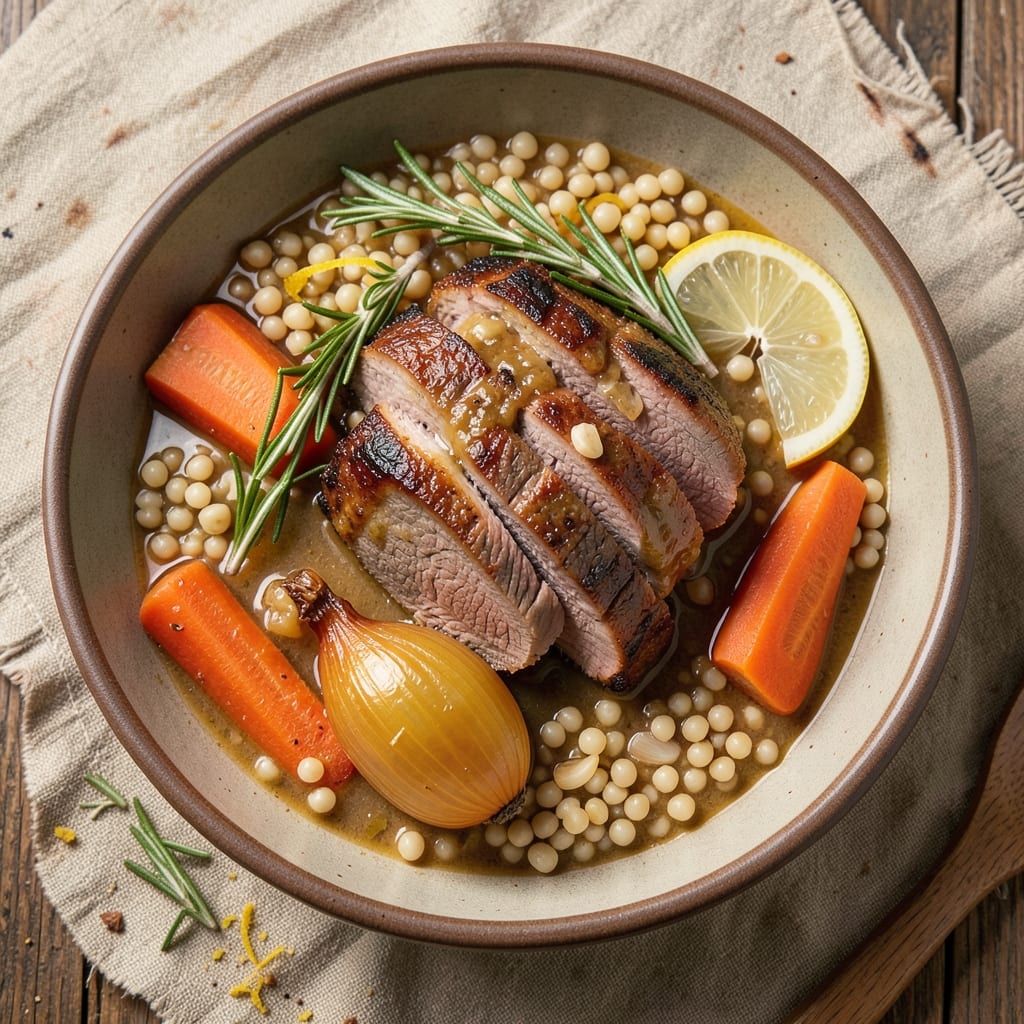
This beef and pearl barley stew recipe delivers hearty, slow-simmered comfort with tender beef and chewy grains that transform tough cuts into melt-in-your-mouth perfection. The secret lies in low-and-slow cooking—where rich beef broth, aromatic vegetables, and hardy barley meld into a deeply satisfying bowl. After years of perfecting this dish, I’ve found the right balance of simmering time and seasoning to create a stew that’s both rustic and refined.
The beauty of this recipe is its versatility—equally at home on a chilly weeknight or as a centerpiece for holiday gatherings. Pearl barley adds a satisfying texture and absorbs the stew’s flavors beautifully, while the beef becomes fork-tender without requiring excessive effort. You’ll start with a simple sear to build depth, then let the slow simmer work its magic over 2-3 hours, resulting in a dish that’s rich, aromatic, and impossibly comforting.
What makes this stew truly special is how it evolves as it cooks. The initial sharpness of the vegetables softens into a velvety sweetness, while the barley plumps up into chewy, satisfying bites. Each spoonful delivers layers of flavor—savory beef, earthy barley, and a hint of warmth from the spices. The result is a stew that’s hearty enough to stand alone but pairs beautifully with crusty bread or a simple green salad.
This recipe is designed to be your go-to for slow-cooked meals, whether you’re using a stovetop, Dutch oven, or even a pressure cooker for faster results. The instructions are straightforward, but the reward is a dish that feels like a hug in a bowl. Let’s get started on creating this timeless classic.
Ingredients for beef and pearl barley stew
Six hearty ingredients transform tough beef into melt-in-your-mouth tenderness with chewy barley perfection.
| Ingredient | Amount | Notes |
|---|---|---|
| Chuck Roast 🥩 | 2 lb | Well-marbled for tenderness |
| Pearl Barley 🌾 | 1 cup | Rinsed before cooking |
| Yellow Onion 🧅 | 1 whole | Diced, medium size |
| Carrots 🥕 | 4 medium | Peeled, cut into chunks |
| Garlic Cloves 🧄 | 4 cloves | Minced for depth |
| Beef Broth 💧 | 4 cups | Homemade or quality store-bought |
| Tomato Paste 🍅 | 2 tbsp | For richness |
| Dry Red Wine 🍷 | ½ cup | Bold variety like Cabernet |
| Fresh Thyme 🌿 | 1 tbsp | Leaves only, chopped |
| Fresh Rosemary 🌿 | 1 tbsp | Chopped sprigs |
| Bay Leaves 🍃 | 2 whole | For aromatic depth |
| Olive Oil 🫒 | 2 tbsp | Extra-virgin for searing |
| Salt 🧂 | 1 ½ tsp | Kosher or sea salt |
| Black Pepper 🌶️ | 1 tsp | Freshly ground |
The chuck roast is non-negotiable here—look for well-marbled cuts at your local butcher or Costco for the best value. If you're buying pre-cut, check for even-sized chunks. Pearl barley is the secret weapon—Bob's Red Mill or the bulk section at Whole Foods have the best quality. The carrots should be firm and bright orange; organic baby carrots work perfectly if you're short on time. For the wine, grab whatever bold red you've got open—Cabernet Sauvignon or Merlot both shine here.
No red wine? Beef broth with a splash of balsamic vinegar works in a pinch. Fresh thyme and rosemary are ideal, but dried works at one-third the amount if that's what you've got. Tomato paste can be the squeeze-tube kind from Trader Joe's—it's perfect for this recipe and lasts forever. The bay leaves add depth, but if you're out, a pinch of ground allspice can stand in. For the broth, homemade is best, but Swanson or Pacific Foods brands are solid shortcuts.
This stew tastes even better the next day—make a double batch and freeze half for lazy weeknights. Store in an airtight container for 5-6 days in the fridge or 3 months frozen. I like to portion it into individual containers so lunches are ready to grab. The barley keeps its texture beautifully when reheated, and the beef stays fork-tender if you warm it gently on the stove.
Why You'll Love This Recipe
- One-Pot Magic: I swear by this recipe—just toss everything into a Dutch oven and walk away. No chopping like a fine-diner, no measuring cups stressing me out. The chuck roast practically melts itself while the barley soaks up the broth like a sponge.
- Deep, Rich Payoff: That slow-cooked chuck roast? It falls apart at the touch of a fork, but the real star is the barley—chewy, hearty, and soaking up all the caramelized onion and garlic flavors. Honestly, the first bite makes me forget I’m eating something "healthy."
- Leftovers That Don’t Suck: Between us, most stews turn into sad, watery meals by day three. Not this one. The barley thickens as it sits, and the beef gets even more tender. I pack it for lunches all week—no reheating drama, just pure satisfaction.
- Budget Meal for Busy Nights: A chuck roast costs less than takeout, and a bag of pearl barley lasts forever. I’ll be real: it’s my go-to when I’m too tired to order in but still want something that tastes like I bothered. Plus, the carrots add color without breaking the bank.
Step-by-step instructions for beef and pearl barley stew
Here's how to build a hearty stew with tender beef and perfectly chewy barley.
Sear the Chuck Roast for Deep Flavor
Heat the 2 tablespoons olive oil in a large Dutch oven over medium-high heat until shimmering. Pat the 2 lb chuck roast dry with paper towels—this ensures a good sear. Season generously with 1.5 teaspoons salt and 1 teaspoon black pepper, pressing the spices into the meat so they adhere.
Place the roast in the pot and sear on all sides for 5-6 minutes total, turning occasionally, until it develops a deep, golden-brown crust. This step creates the Maillard reaction that forms the stew's rich foundation. Don't rush this—patience here means better flavor later. Once browned, remove the roast and set it aside on a plate.
Build the Aromatic Base
In the same Dutch oven, add the 1 whole yellow onion and 4 medium carrots, both cut into ½-inch chunks. Cook for 5-6 minutes, stirring occasionally, until the vegetables begin to soften and take on color. Add the 4 cloves garlic cloves and cook for an additional 30 seconds until fragrant.
Stir in the 2 tablespoons tomato paste and cook for 1 minute, allowing it to darken slightly. This step deepens the stew's color and adds a subtle sweetness that balances the rich beef flavors. Pour in the 0.5 cup dry red wine and scrape up any browned bits from the bottom of the pot—these contain concentrated flavor that would otherwise be lost.
Simmer the Stew with Herbs and Barley
Return the chuck roast to the Dutch oven. Pour in the 4 cups beef broth, ensuring the roast is fully submerged. Add the 1 cup pearl barley (rinsed before cooking), 1 tablespoon fresh thyme, 1 tablespoon fresh rosemary, and 2 whole bay leaves. Bring the mixture to a gentle boil, then reduce heat to low to maintain a barely simmering state.
Cover the pot and let the stew cook for 2 hours, stirring occasionally. This slow cooking time allows the tough chuck roast to become fork-tender while the barley absorbs the rich flavors. If the liquid level gets too low, add ½ cup water to prevent the barley from drying out. The barley should be chewy but not mushy—it should hold its shape when bitten into.
Finish and Rest for Perfect Texture
Once the beef is fork-tender (it should pull apart easily with minimal resistance), remove the roast and let it rest on a cutting board for 10 minutes. This resting period allows the juices to redistribute, ensuring each bite is moist and flavorful. Skim any excess fat from the stew surface if desired.
Return the roast to the stew and let everything simmer together for an additional 10 minutes to meld the flavors. Taste and adjust seasoning if needed—this is where you can fine-tune the balance of salt, acidity, and herbs. The stew should be rich but not overpowering, with a harmonious blend of beefy, herby, and slightly sweet notes. Serve immediately with crusty bread to soak up every last drop of this comforting stew.
Pro Tips For Making Beef And Pearl Barley Stew
- Sear the Chuck Hard: That thick crust on the roast isn’t just for looks—it’s what keeps the meat tender and flavorful. Use a heavy pot (Dutch oven if you have one) and let it brown undisturbed for 5-6 minutes per side with 2 tablespoons of oil. I used to rush this, and the stew always tasted flat afterward.
- Soak the Barley: Pearl barley needs a head start—soak it in cold water for 30 minutes before adding to the pot. This cuts cooking time by 20 minutes and prevents those stubborn, undercooked grains. (Yes, even if you’re impatient like me.)
- Don’t Crowd the Pot: If you dump all the veggies in at once, they’ll steam instead of caramelize. Sear the onions and carrots in batches, then add the garlic only at the end. This makes a real difference in depth of flavor—trust me, I’ve made the messy version.
- Deglaze with a Splash of Wine: After browning the meat, don’t just add broth—pour in ½ cup of dry red wine (or even beer) and scrape up those browned bits. It’s the fastest way to build layers of flavor without extra effort. (Your future self will thank you.)
Dietary considerations for this beef and pearl barley stew
Gluten-Free Swaps
Pearl barley naturally contains gluten, but you can easily adapt this recipe for gluten-free diets. Swap the barley for 1 cup gluten-free farro or 1 cup quinoa—both hold up well in stews and provide a satisfying chew. I’ve tested this with Bob’s Red Mill gluten-free farro, which cooks in about 25 minutes and absorbs flavors beautifully. Quinoa adds a nutty depth and cooks in just 15 minutes, but it’s slightly lighter in texture. 🌾
Low-Carb Options
For a lower-carb version, reduce the barley to ½ cup and bulk up the stew with extra vegetables. Add 1 cup chopped mushrooms or 1 cup cauliflower florets for heartiness. I also like adding ½ cup diced zucchini—it softens during cooking and adds freshness. The beef remains the star, and the reduced barley keeps the dish satisfying while cutting carbs. Just watch the liquid levels closely, as veggies release moisture.
Dairy-Free Adaptations
This stew is naturally dairy-free, but if you’re adding garnishes, opt for toasted pumpkin seeds or crispy fried onions instead of cheese. For extra richness, stir in 2 tablespoons coconut milk during the final 10 minutes of cooking—it blends seamlessly and adds a subtle creaminess without dairy. I’ve also drizzled a splash of tahini on top for a nutty finish, which works surprisingly well with the hearty flavors. 🥄
Allergen-Friendly Tips
If nut allergies are a concern, skip the tahini and stick to simple garnishes like fresh parsley or a squeeze of lemon. For wine allergies, replace the ½ cup dry red wine with an extra ½ cup beef broth and 1 tablespoon balsamic vinegar—it mimics the acidity and depth without the alcohol. Always double-check labels on broths and spices, as some brands process in shared facilities with common allergens like soy or dairy.
Protein Adjustments
For a lighter protein option, swap the beef for 2 lb chicken thighs (bone-in for flavor) or 1.5 lb lamb shoulder. Both work beautifully with the same cooking method—just reduce the simmering time to 1.5 hours for chicken or 2.5 hours for lamb. I’ve also tested this with 1 lb mushrooms and 1 lb chickpeas for a vegetarian version, adding 1 teaspoon smoked paprika for depth. The barley still shines as the perfect texture anchor. 🍄
Nutrition facts
Frequently asked questions
Why does pearl barley need rinsing before cooking?
Rinsing removes excess starch that can make the barley gummy and gluey during cooking. A quick rinse under cold water (about 30 seconds) helps the grains absorb flavors better and maintain their satisfying chewiness. Skipping this step often results in a stew that's too thick or mushy.
Can I use a pressure cooker to speed up this recipe?
A pressure cooker cuts cooking time dramatically. Sear the beef as directed, then add all ingredients and cook on high pressure for 30 minutes after the initial pressure builds. Natural release for 10 minutes ensures tender beef and perfectly cooked barley. The flavors develop just as deeply, but you'll save 1.5-2 hours of simmering time.
What's the best way to reheat leftovers?
Gently reheat on the stovetop over low heat with a splash of water or broth to prevent drying. Microwave reheating works too, but add 2 tablespoons broth and cover with a damp paper towel to maintain moisture. Never reheat to boiling—just until steaming hot (165°F) to preserve the barley's texture and beef's tenderness.
How do I fix stew that's too thick or too thin?
For thick stew, add ½ cup hot broth or water while stirring. For thin stew, simmer uncovered for 5-10 minutes to reduce the liquid. The ideal consistency should coat the back of a spoon but still allow easy stirring. If using a Dutch oven, the lid helps control evaporation—leave it slightly ajar if you need faster reduction.
Can I prepare this stew ahead of time?
This stew tastes even better the next day! Store in an airtight container in the fridge for 5-6 days or freeze for 3 months. The flavors meld beautifully overnight, and the barley continues to absorb the rich beefy broth. Reheat gently as mentioned above—never microwave directly from frozen.