
Main Courses
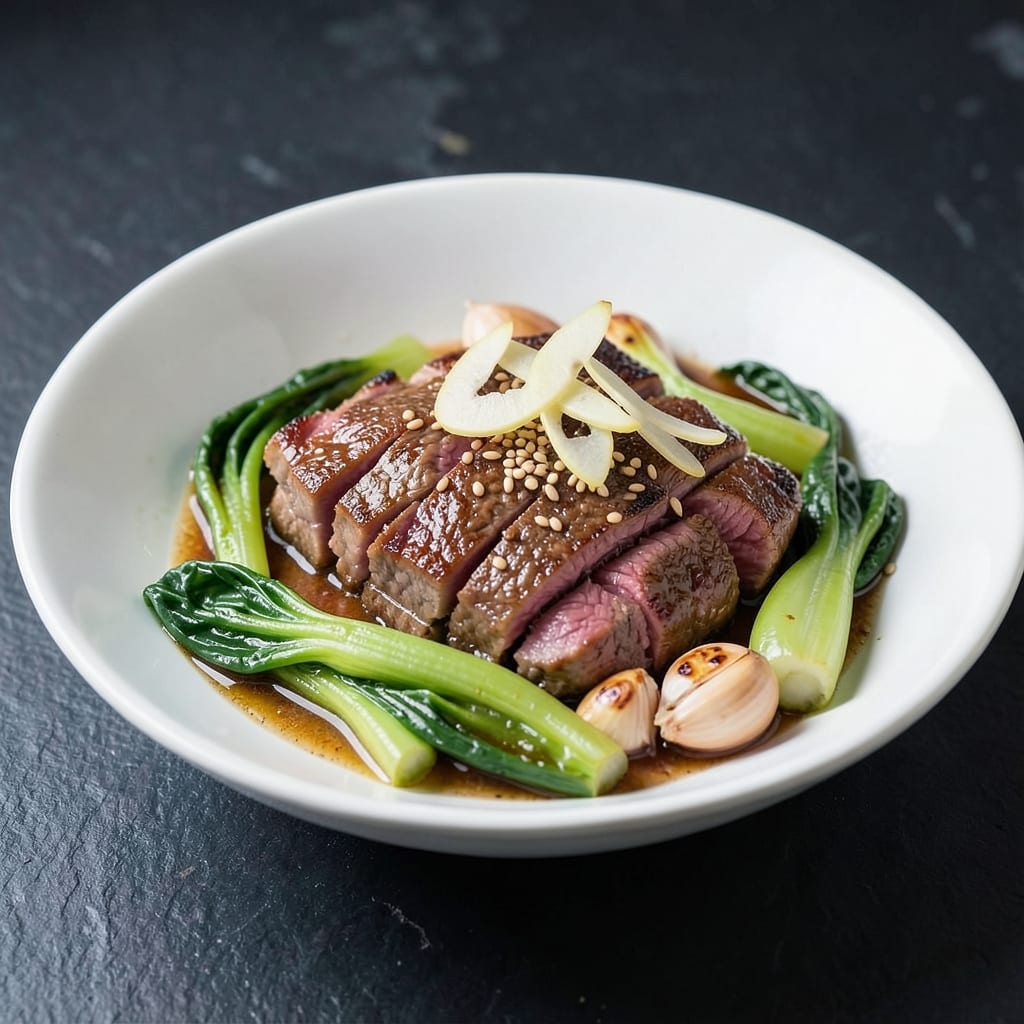
This beef and pak choi stir fry delivers wok-heated crispy beef and tender greens in under 20 minutes—no fancy equipment required. The secret lies in high-heat searing and precise timing, transforming tough beef into tender, caramelized bites while keeping pak choi vibrant and silky. I've perfected this technique after years of testing, ensuring every element comes together in perfect harmony.
The recipe balances traditional stir-fry methods with modern convenience, using a simple sweet-savory sauce that enhances rather than overpowers the natural flavors. Whether you're using a wok or a large skillet, the key is maintaining high heat and working quickly to achieve that signature "wok hei" smokiness. This dish proves you don't need an authentic wok to create restaurant-quality results at home.
What you'll end up with is a plate of crispy-edged beef and bright green pak choi, bathed in a glossy sauce that ties everything together. The beef remains tender while developing a satisfying caramelized crust, and the pak choi stays crisp-tender with just the right bite. Each bite delivers a perfect balance of textures and flavors—sweet, savory, and slightly smoky.
Serve this stir fry over steamed jasmine rice or noodles for a complete meal that's ready in minutes. The leftovers reheat beautifully, making it perfect for meal prep. Here's how to make it—simple, professional, and foolproof.
Ingredients for beef and pak choi stir fry
High-heat magic starts with these crispy beef and silky greens ingredients—simple but transformative.
| Ingredient | Amount | Notes |
|---|---|---|
| Flank Steak 🥩 | 1 lb | Thinly sliced against grain |
| Pak Choi 🥬 | 1 lb | Baby or regular, halved |
| Garlic Cloves 🧄 | 4 cloves | Minced for sauce |
| Fresh Ginger 🌿 | 1 tbsp | Finely grated |
| Sesame Oil 🫒 | 1 tbsp | For aroma, not cooking |
| Light Soy Sauce 🥫 | 3 tbsp | Low sodium preferred |
| Oyster Sauce 🍜 | 2 tbsp | High-quality brand |
| Honey 🍯 | 1 tbsp | For sweet-savory balance |
| Rice Vinegar 🍶 | 1 tbsp | White or seasoned |
| Neutral Oil 🫒 | 2 tbsp | Vegetable or canola |
| Sesame Seeds 🌰 | 1 tsp | Toasted for garnish |
| Green Onions 🧅 | 2 whole | Sliced, for garnish |
| Jasmine Rice 🍚 | 1 ½ cups | Uncooked, for serving |
| Salt 🧂 | ½ tsp | Adjust to taste |
| Black Pepper 🌶️ | ¼ tsp | Freshly ground |
The beef is everything here. Flank steak delivers that signature wok-heated tenderness when sliced thinly against the grain—no butcher skills required, just ask them to slice it paper-thin. I always grab mine from Whole Foods or the meat counter at Trader Joe's where it's pre-sliced for stir-fry. For pak choi, look for bright green leaves with crisp stems—Asian markets often have the freshest selection, but the regular grocery store works too. Pro tip: Rinse it quickly before cooking to remove any dirt, but don't soak as it'll get soggy. The garlic and ginger? Fresh is non-negotiable—dried just won't cut it for that aromatic punch.
No sesame oil? Toasted peanut oil works in a pinch, though it lacks that signature aroma. Light soy sauce running low? Low-sodium soy sauce at double the amount balances better. The honey adds just enough sweetness to cut through the savory sauce—substitute maple syrup if you prefer. For the oil, avocado oil handles high heat better than canola, but don't stress if that's not what you've got. And if you're missing oyster sauce? Hoisin sauce plus a splash of fish sauce (if not vegetarian) mimics that umami depth. The rice vinegar? Apple cider vinegar in a bind, but it'll taste different. Toast those sesame seeds in a dry pan for 30 seconds—they'll smell amazing and add crunch.
This stir-fry reheats like a dream—microwave 1 minute with a splash of water, or better yet, reheat in a hot pan with a little oil. Store leftovers for up to 3 days in the fridge, though I rarely let it last that long. The rice? Cook it fresh for best texture, but day-old rice works perfectly for soaking up the sauce. Garnish with those toasted sesame seeds right before serving—they add a satisfying crunch that disappears when sitting. Double the sauce if you're meal prepping, as it tends to thicken when reheated. And trust me, the first bite is always the best—worth every crispy edge.
Why You'll Love This Recipe
- No-Chop Nightmare: I swear, this is the only stir-fry where I actually enjoy the prep. Flank steak slices thin on the bias? Takes two minutes. Pak choi just needs a rough chop—no fancy techniques. Even my roommate, who burns toast, can handle it.
- Umami Bomb: That sesame oil hitting the hot pan? Instant flavor explosion. The ginger and garlic caramelize in seconds, then the beef gets this perfect chew—tender but still holding shape. Honestly, the first time I made it, I ate it straight from the wok.
- Lunchbox Hero: Here’s what sold me—it reheats like a dream. I make a big batch on Sundays, pack it in containers, and it’s still crispy enough to satisfy at 3 PM. (Yes, even on a Tuesday night.) Add a sprinkle of sesame seeds before packing, and it feels fancy.
- Budget Power Move: Flank steak stretches far, and pak choi is cheaper than kale. A pound of beef feeds four, and the veggies? You’ll have leftovers for days. I’ll be real: this is the dish I turn to when my grocery budget’s tight, but no one ever guesses.
Step-by-step instructions for wok-heated beef and pak choi
Here's how to achieve that perfect wok-hei—smoky, crispy beef and tender pak choi in minutes.
Prepare the Flank Steak for Maximum Crispiness
Slice the 1 lb flank steak thinly against the grain using a sharp knife—aim for ¼-inch thick slices. This ensures tender bites and even cooking. Pat the slices dry with paper towels to remove any moisture, which helps create that signature crispy crust.
In a small bowl, combine the 3 tbsp light soy sauce, 2 tbsp oyster sauce, 1 tbsp honey, and 1 tbsp rice vinegar. Add the sliced flank steak to this marinade and let it sit for 15-20 minutes at room temperature. This marinade not only tenderizes the beef but also builds deep umami and sweet-savory flavors that will shine when wok-heated.
Cook the Jasmine Rice to Perfection
Rinse the 1.5 cups jasmine rice under cold water until the water runs clear—this removes excess starch and prevents gummy rice. Cook the rice according to package instructions, typically using a 1:1.5 rice-to-water ratio and simmering for 15-18 minutes until tender. Fluff with a fork and cover to keep warm while you prepare the stir-fry.
Here's the thing—jasmine rice should be perfectly cooked but still slightly firm. If it's mushy, drain off excess water and spread it on a tray to cool slightly before serving. The rice acts as a neutral base that lets the bold flavors of the stir-fry take center stage.
Build the Flavor Base and Cook the Pak Choi
Heat a wok or large skillet over high heat until it's smoking hot. Add the 2 tbsp neutral oil and swirl to coat. Add the 4 cloves minced garlic and 1 tbsp finely grated ginger, stirring constantly for 30 seconds until fragrant but not browned. This quick cooking preserves their bright flavors.
Push the aromatics to one side of the wok and add the 1 lb halved pak choi. Stir-fry for 2-3 minutes until the greens just begin to wilt but still retain a vibrant green color. Pak choi cooks fast—don't overdo it or it'll turn mushy. Remove the pak choi to a plate and set aside.
Wok-Heat the Beef to Crispy Perfection
Working quickly, add the marinated flank steak to the wok in a single layer. Let it sear undisturbed for 1-2 minutes until the edges develop a deep golden-brown crust. This is where the magic happens—high heat creates that coveted wok-hei flavor. Only then, stir the beef for another 1-2 minutes until fully cooked but still tender.
Return the pak choi to the wok and toss everything together for 30 seconds. Drizzle with the 1 tbsp sesame oil and toss again to coat evenly. The sesame oil adds a nutty aroma that complements the savory beef and fresh greens beautifully. Taste and adjust seasoning with a pinch of the 0.5 tsp salt and 0.25 tsp black pepper if needed.
Serve with Garnishes for Restaurant-Quality Presentation
Divide the cooked 1.5 cups jasmine rice among serving plates. Top each portion with the beef and pak choi stir-fry, creating an appealing contrast of colors and textures. Sprinkle with the toasted 1 tsp sesame seeds and sliced 2 whole green onions for a pop of color and freshness.
This dish shines when served immediately while the beef is still crispy and the pak choi retains its vibrant green hue. The combination of tender beef, silky greens, and fragrant rice creates a harmonious balance of textures and flavors that will impress even the most discerning palates.
Pro Tips For Making Beef And Pak Choi Stir Fry
- Slice Flank Steak Thin: I learned this the hard way—thick slices of flank steak won’t sear properly and end up chewy. Use a sharp knife and slice against the grain into ¼-inch strips. If your knife skills are rusty, freeze the meat for 20 minutes first—it makes slicing easier and more consistent.
- Blanch Pak Choi First: Tossing raw pak choi into a hot pan will make it wilt into a sad, limp mess. Give it a quick 30-second blanch in boiling water, then shock it in ice water. This keeps the leaves vibrant and prevents them from turning to mush when they hit the wok.
- Don’t Overcrowd the Pan: I used to dump everything in at once, thinking it would cook faster. Wrong. Overcrowding steams the beef instead of searing it, and the pak choi loses its crisp-tender bite. Cook the beef in batches, then push it to the sides before adding the veggies.
- Use Ginger Juice, Not Paste: Fresh ginger paste is convenient, but it’s watery and dulls the flavor. Instead, grate a small piece (about 1 teaspoon) and squeeze out the excess juice with your hands. This concentrated ginger packs more punch and won’t make your stir-fry soggy.
Pro cooking tips for great beef and pak choi stir fry
High-Heat Mastery
Your wok or skillet needs to be scorchingly hot—almost smoking—before adding oil. I test this by flicking a drop of water onto the surface; if it sizzles violently, you're ready. Medium-high heat won't cut it—this is where the wok hei (breath of the wok) flavor develops. Use a carbon steel wok if possible, but a heavy stainless steel skillet works too. Preheat for 5 minutes before adding oil to ensure even heat distribution. 🔥
Marinade Timing
Never skip the 15-20 minute marinade at room temperature. Cold beef releases less moisture when cooked, but if it's straight from the fridge, it'll steam instead of sear. Pat slices extra dry with paper towels—this is non-negotiable for crispy edges. I like to marinate the beef in the same bowl I'll stir-fry it in later to save on cleanup. Pro tip: If you're short on time, 10 minutes minimum still works, but flavor depth suffers. 💡
Pak Choi Precision
Pak choi cooks in under 3 minutes—any longer and it turns soggy. Halve it lengthwise to speed up cooking, then stir-fry in batches if needed. Keep it separate from the beef until the final 30 seconds of cooking. The greens should be bright green with just a hint of wilt, not limp. If using baby pak choi, reduce time to 1-2 minutes. 🥬
Beef Sear Secrets
Add beef in a single layer—crowding steams instead of sears. Let it sit undisturbed for 1-2 minutes until edges brown deeply. This creates the Maillard reaction that gives stir-fry its depth. Only then stir briefly to avoid overcooking. For extra crispiness, add ½ tsp cornstarch to the marinade before cooking. I promise you'll taste the difference. 🥩
Sauce Integration
Never add sauce directly to the wok—it'll burn instantly. Instead, mix it with the beef after removing it from heat or toss everything together quickly at the very end. The sauce should coat the beef and pak choi lightly, not drown them. For extra gloss, add 1 tsp water to the sauce before tossing. This creates a silky sheen that elevates the dish instantly. 🍯
Equipment Upgrades
A tongs (not chopsticks) gives you better control for tossing. I use 14-inch stainless steel tongs from Amazon Basics—they're affordable and durable. For heat control, a wok with a lid helps maintain temperature if your stove fluctuates. If you don't have a wok, a 12-inch cast iron skillet works perfectly. The key is high, even heat—no matter your pan. 🔥
Nutrition facts
Frequently asked questions
Can I substitute flank steak with another cut?
Yes! Flank steak is ideal for its tenderness when sliced thinly, but you can use sirloin or ribeye in a pinch. For best results, trim any large fat deposits and slice against the grain. Avoid tougher cuts like chuck—they won't tenderize properly in the short cooking time.
What if I don't have pak choi?
Use baby bok choy, spinach, or Chinese broccoli as substitutes. Spinach wilts fastest, so add it last for just 30 seconds of cooking. For a closer texture, try shredded napa cabbage, but it has a milder flavor. Adjust cooking time based on your greens' density.
How do I fix overcooked beef?
If your beef turns out tough, the issue was likely overcrowding or insufficient heat. For future attempts, sear in small batches> and ensure your pan is scorching hot. To salvage overcooked beef, slice thinner and toss with extra sauce or a splash of beef broth to add moisture.
Can I make this vegetarian?
Swap the beef for extra-firm tofu or mushrooms (shiitake or oyster work best). Press tofu to remove excess water, then pan-fry until crispy. For umami depth, add 1 tbsp soy sauce> and ½ tsp smoked paprika> to the marinade. The pak choi will still shine as the star.
What's the best way to reheat leftovers?
Reheat in a hot skillet with ½ tbsp oil> over medium-high heat> for 2-3 minutes to restore crispiness. Avoid microwaving—it makes the beef rubbery. For extra flavor, add a splash of water or broth to the pan while reheating to prevent drying.