
Soups & Stews
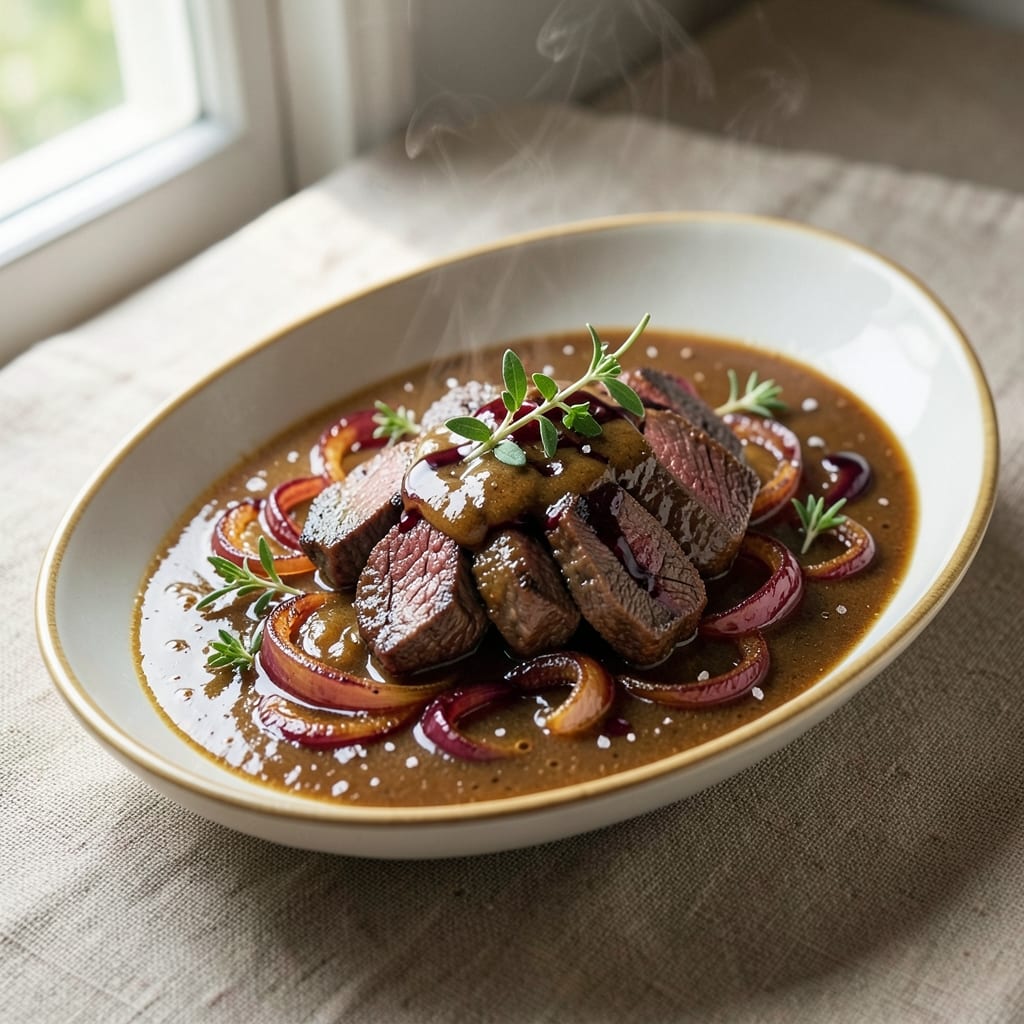
This beef and onion gravy recipe transforms simple ingredients into a velvety, rich sauce that elevates every meal. The secret lies in a perfect roux and slow reduction, creating depth that pairs beautifully with roasted meats or mashed potatoes. What starts as a basic pan sauce becomes an aromatic, flavorful foundation for any dish.
Using beef broth and caramelized onions builds layers of savory complexity, while a classic roux provides the ideal thickening agent. This method ensures a smooth, glossy finish without lumps or graininess. The result is a gravy so rich it feels indulgent yet balanced, perfect for drizzling over hearty entrees.
What makes this gravy truly special is its versatility—it works as a standalone sauce, a stew thickener, or even a base for other dishes. The onions add natural sweetness that caramelizes during cooking, while the beef broth delivers deep umami flavor. Every spoonful delivers that restaurant-quality richness you crave at home.
Whether you're finishing roasted beef, serving with mashed potatoes, or using as a base for other recipes, this gravy brings professional-level results. The technique is straightforward but requires patience for the best outcome. Let's create something extraordinary from basic pantry staples.
Ingredients for beef and onion gravy
Velvety richness begins with these ten essential ingredients—each playing a crucial role in transforming simple pantry staples into restaurant-quality gravy.
| Ingredient | Amount | Notes |
|---|---|---|
| Unsalted Butter 🧈 | ½ cup | Cold for roux formation |
| Yellow Onions 🧅 | 2 large | Thinly sliced for caramelization |
| All-Purpose Flour 🌾 | ½ cup | For perfect roux base |
| Beef Broth 🥫 | 2 cups | High-quality, low-sodium preferred |
| Dry Red Wine 🍷 | ½ cup | Bold variety for depth |
| Thyme Leaves 🌿 | 1 tbsp | Fresh preferred, dried works |
| Black Peppercorns 🌶️ | ½ tsp | Freshly cracked for heat |
| Salt 🧂 | 1 tsp | Adjust to taste at end |
| Worcestershire Sauce 🍶 | 1 tbsp | For umami complexity |
| Beef Demiglace 🍲 | ½ cup | Optional for extra richness |
The onions are your flavor foundation—yellow onions caramelize best for that sweet, deep base. Grab the largest, sweetest ones you can find (the Spanish or Vidalia varieties if available), and slice them thinly for maximum surface area. Costco or local farmers markets often have better quality than standard grocery stores. For the butter, Plugrá or Land O'Lakes unsalted work perfectly—just make sure it's cold when you start your roux. The flour should be all-purpose, not self-rising, and stored in a cool, dark place to prevent spoilage. Thyme matters here: fresh thyme has that bright, herbal note, but if you're using dried, cut the amount to one-third.
No red wine? Dry sherry or beef broth with a splash of balsamic works in a pinch. Running low on Worcestershire? Soy sauce or a dash of fish sauce adds umami depth. The beef demiglace is optional but absolutely worth it if you're serving this to company—it adds that professional restaurant layer. For the flour, if you've got cornstarch or arrowroot powder, you can use half flour and half starch for a glossier finish. The beef broth is where flavor lives—homemade is best, but even the good-quality store-bought stuff (like Kitchen Basics or Pacific Foods) will work. Just avoid anything with added MSG or preservatives.
This gravy tastes even better the next day—make extra and store it in the fridge for up to 5 days or freeze for 3 months. Keep it covered with parchment paper pressed directly on the surface to prevent a skin from forming. For reheating, stir in a splash of broth or water if it thickens too much. The caramelized onions can be prepped ahead and stored in the fridge for 4 days—just reheat gently before adding to your gravy. This sauce freezes beautifully too, so portion it out in ice cube trays for easy single-use servings later.
Why You'll Love This Recipe
- Foolproof Stovetop Magic: I swear by this—just butter, onions, and flour, simmered until golden. No fancy gadgets, no stress. The wine adds depth in minutes, and honestly? Even if I burn the onions a little, the flavor still wins.
- Rich Without Effort: That first sip of wine hitting the pan? Instant sophistication. The onions caramelize into something sweet and deep, while the flour thickens it just right. It’s the kind of gravy that makes steak taste like a restaurant dish—no tricks, just layers of flavor.
- Weeknight to Dinner Party: Same recipe, endless uses. Slather it over mashed potatoes for a lazy night, or drizzle it over roasted beef for a fancy dinner. My kids ask for it on Tuesdays, but I keep it for guests—because it’s that good without trying.
- Budget Stretch: A splash of wine and a handful of onions turn cheap beef broth into something luxurious. Leftovers? Even better the next day—freeze it for future meals. I’ve fed a crowd for under $15 with this, and no one ever guesses it’s this simple.
Step-by-step instructions for beef and onion gravy
This rich, velvety gravy transforms simple ingredients into a luxurious sauce worthy of any meal.
Build a Golden Roux with Butter and Flour
Melt the 0.5 cup unsalted butter in a heavy-bottomed saucepan over medium heat, stirring constantly until it foams. This ensures even cooking without burning. Immediately whisk in the 0.5 cup all-purpose flour to form a smooth paste—this is your roux, the foundation of your gravy.
Cook the roux for 3-4 minutes, stirring vigorously with a wooden spoon, until it turns a rich, golden brown color. This color indicates proper development of flavor compounds. If it darkens too quickly, reduce the heat slightly—burnt flour tastes bitter and ruins the sauce. The roux should smell nutty and toasty, signaling it's ready for the next step.
Caramelize the Onions for Sweet Depth
Add the 2 large yellow onions, sliced thinly, to the roux and cook over medium-low heat for 12-15 minutes, stirring occasionally. The onions should soften and develop a beautiful deep amber color as their natural sugars caramelize. This step is crucial—it transforms the flavor from mild to complex and sweet.
I like to press down gently on the onions with a wooden spoon during the first 5 minutes to help them break down evenly. If the onions start to stick, add a splash of water or broth to deglaze, but don't let them burn. You're aiming for a jammy, sweet consistency that will blend seamlessly into the finished gravy.
Deglaze with Wine and Broth for Richness
Pour in the 0.5 cup dry red wine and scrape up any browned bits from the bottom of the pan with a wooden spoon. These bits, called fond, are packed with flavor—don't miss them! Let the wine simmer for 2-3 minutes until it reduces by half and the alcohol cooks off, leaving behind concentrated flavor.
Next, whisk in the 2 cups beef broth and bring the mixture to a gentle simmer. Add the 1 tbsp thyme leaves, 0.5 tsp black peppercorns, 1 tsp salt, and 1 tbsp Worcestershire sauce. Let it simmer for 10-12 minutes until the gravy thickens slightly. Stir occasionally to prevent sticking, and taste—this is when you can adjust the seasoning if needed.
Finish with Demiglace for Luxurious Texture
Strain the gravy through a fine-mesh sieve into a clean saucepan to remove any onion bits or thyme stems. Return it to medium heat and stir in the 0.5 cup beef demiglace. This optional step adds an extra layer of richness and depth, but even without it, the gravy will be delicious.
Simmer gently for another 5 minutes to let all the flavors meld together. The gravy should coat the back of a spoon smoothly, with a glossy sheen. If it's too thick, whisk in 1-2 tablespoons of water to reach your desired consistency. Serve immediately over mashed potatoes, steak, or roasted vegetables for the ultimate comfort food experience.
Pro Tips For Making Beef And Onion Gravy
- Cook Onions Slowly: I learned this the hard way—rushing the onions on high heat turns them bitter and browns them unevenly. Instead, use medium-low heat and let them sweat for 10-12 minutes until soft and translucent before adding the wine. This builds the flavor foundation without burning.
- Bloom the Flour Properly: After deglazing with wine, sprinkle in that flour all at once and whisk like you’re trying to win a bet. Let it sit for 30 seconds before adding broth—this toasts the flour and removes that raw taste. (Yes, even if you’re impatient like me.)
- Strain the Broth: Your beef broth might have bits, and nothing ruins silky gravy like lumps. After simmering, strain it through a fine-mesh sieve into a clean pot. It’s extra work, but the result is smoother, richer, and worth the effort.
- Use Cold Butter for Finishing: Skip the melted butter at the end—cold cubes emulsify better and give the gravy a glossy finish. Stir in the last tablespoon while the gravy simmers, then remove from heat immediately. (Your future self will notice the difference.)
Troubleshooting perfect results
Roux Too Dark?
If your roux turns darker than golden brown, you’ve likely burned it—this happens when heat is too high or stirring isn’t consistent. Solution: Immediately remove the pan from heat and whisk in 1-2 tablespoons of cold beef broth to stop the cooking process. The gravy will still work but may have a slightly bitter edge. For next time, keep heat at medium and stir vigorously every 30 seconds. 🌡️
Gravy Too Thin?
Thin gravy usually means insufficient roux or too much liquid. Fix it fast: Mix 1 tablespoon flour with 1 tablespoon cold water to create a slurry, then whisk it into the gravy while simmering. For a quicker fix, simmer uncovered for 3-5 minutes to reduce the liquid naturally. If using demiglace, reduce the amount by 2 tablespoons next time.
Onions Burn Before Caramelizing
Burnt onions ruin the sweet depth of your gravy. Prevent this by reducing heat to low once onions start to soften (after 5-7 minutes). If they brown too quickly, add 1-2 tablespoons of beef broth to deglaze and keep them moist. Thinly sliced onions caramelize faster—aim for ⅛-inch slices for even cooking. 🧅
Lumpy Gravy Disaster
Lumps form when flour isn’t fully incorporated or stirred properly. Solution: Immediately strain the gravy through a fine-mesh sieve into a clean pot. For next time, whisk the roux vigorously for 2-3 minutes before adding onions. If lumps persist, blend the gravy briefly with an immersion blender (use caution—it gets hot!).
Flat or Bland Flavor
Bland gravy often means insufficient reduction or weak broth. Boost flavor by simmering uncovered for 5-10 extra minutes to concentrate the taste. Add 1 teaspoon soy sauce or ½ teaspoon fish sauce for umami depth. For next time, use homemade beef broth or a high-quality store brand like Kitchen Basics. A splash of red wine vinegar (½ teaspoon) brightens the flavor too.
Gravy Separates When Reheating
Separation happens when fat and liquid split during cooling. Fix it by whisking vigorously while reheating over low heat. For prevention, let the gravy cool slightly before refrigerating, then press plastic wrap directly onto the surface to minimize a skin. When reheating, stir in 1 tablespoon of cold water or broth to help re-emulsify the fat. 💡
Nutrition facts
Frequently asked questions
Can I make this gravy without wine?
Replace the 0.5 cup dry red wine with 0.5 cup beef broth or 0.5 cup dry sherry for similar depth. For extra richness, add 1 teaspoon soy sauce or ½ teaspoon balsamic vinegar to compensate for the wine's acidity. The flavor will still develop beautifully—just expect slightly less complexity.
How do I use leftover roasting pan drippings?
Save those precious drippings! After roasting beef, strain them through a fine-mesh sieve to remove fat. Use 1 cup of drippings instead of beef broth in the recipe, reducing the broth to 1 cup total. The drippings add incredible depth and natural beefy flavor that store-bought broth can't match. Just skip the wine deglazing step since the drippings already contain fond.
Can I make this gravy vegetarian?
Yes, but you'll need to adjust the flavor profile. Replace the beef broth with 2 cups vegetable broth and use mushroom broth for extra umami. Swap Worcestershire sauce for 1 tablespoon soy sauce and add 1 teaspoon smoked paprika for depth. The onions will still caramelize beautifully, but the gravy will have a more earthy, savory character rather than beefy richness.
Why does my gravy get stringy when it cools?
Stringy gravy happens when the starch in the roux overcooks or the liquid reduces too much. To fix it, whisk in 1-2 tablespoons of cold water or broth while reheating. For prevention, remove the gravy from heat just before it reaches your desired thickness—it will continue thickening as it cools. Also ensure you're using a heavy-bottomed saucepan to prevent scorching at the bottom.
What's the best way to reheat leftover gravy?
Reheat gently over low heat, stirring frequently to prevent separation. If the gravy thickens too much, whisk in 1 tablespoon of water or broth at a time until smooth. For microwave reheating, use 30-second intervals on medium power, stirring well between each interval. Always reheat to at least 165°F for food safety. Store leftovers in an airtight container for up to 5 days.