
Main Courses
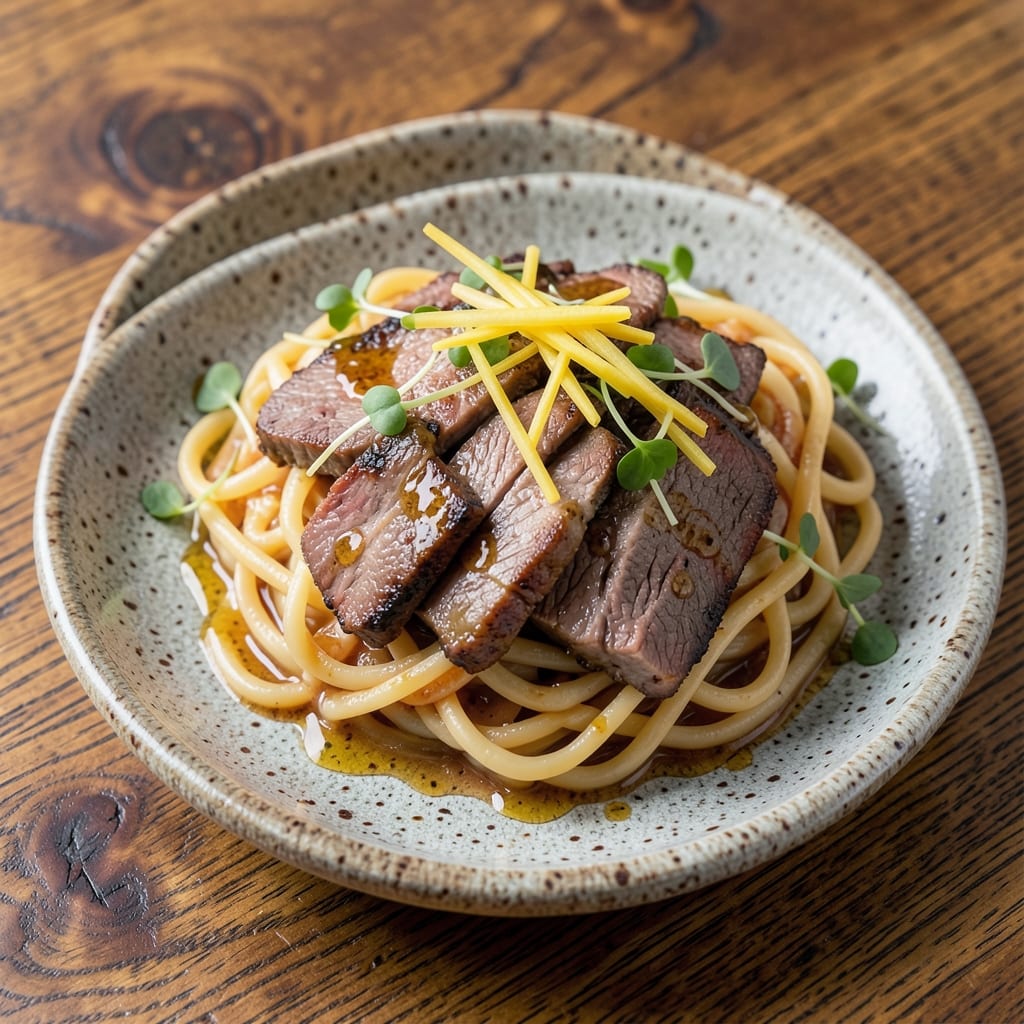
Transforming a beef and noodles recipe using leftover roast into a rich, umami-packed dish is one of the most satisfying ways to eliminate food waste. The secret lies in shredding the roast thinly—this maximizes surface area for flavor absorption and creates tender, melt-in-your-mouth bites that transform ordinary leftovers into a restaurant-worthy meal. What starts as a simple protein upgrade becomes a hearty, comforting dish when paired with the right sauce and noodles.
This recipe builds on the deep, savory notes already developed in your roast by incorporating a quick soy-based sauce with garlic, ginger, and a touch of honey for balance. The sauce simmers just long enough to meld with the beef’s natural juices, creating a glossy, aromatic coating that clings to every strand of noodle. I’ve tested this method with both egg noodles and rice noodles—both work beautifully, but the egg noodles hold up better to the sauce’s richness.
What makes this dish truly special is how it elevates leftovers without requiring extra effort. In just 20 minutes, you’ll have a steaming bowl of beef and noodles that’s packed with umami depth, tender protein, and a sauce that’s both savory and slightly sweet. The key is timing: cook the noodles separately, then toss them with the beef and sauce at the very end to keep everything perfectly al dente.
Serve this dish with a sprinkle of fresh cilantro or green onions for brightness, and a side of quick-pickled vegetables to cut through the richness. It’s the kind of meal that turns a simple roast into a full, satisfying dinner—proving that leftovers can be just as impressive as the original dish. Let’s get cooking!
Ingredients for beef and noodles recipe using leftover roast
Transform leftovers into a restaurant-quality bowl with these umami-rich ingredients.
| Ingredient | Amount | Notes |
|---|---|---|
| Leftover Roast Beef 🥩 | 1 lb | Thinly sliced against the grain |
| Egg Noodles 🍜 | 8 oz | Dried, al dente texture preferred |
| Low-Sodium Soy Sauce 🥢 | 3 tbsp | For umami depth without excess salt |
| Fresh Ginger 🌿 | 1 tbsp | Finely grated, aromatic |
| Rice Vinegar 🍶 | 1 tbsp | For brightness and balance |
| Sesame Oil 🫒 | 1 tsp | Toasted, for nutty aroma |
| Garlic Cloves 🧄 | 3 cloves | Minced, fresh preferred |
| Vegetable Oil 🫒 | 1 tbsp | For high-heat searing |
| Green Onions 🧅 | 3 whole | Thinly sliced, for garnish |
| Toasted Sesame Seeds 🌾 | 1 tsp | For crunch and visual appeal |
| Diamond Crystal Kosher Salt 🧂 | ½ tsp | For seasoning, to taste |
| Black Peppercorns 🌶️ | ¼ tsp | Freshly cracked, for heat |
| Water 💧 | 4 cups | For cooking noodles |
The leftover roast is the star—slice it thinly against the grain for maximum tenderness. If your roast is particularly tough, marinate it for 10 minutes in a mix of soy sauce and rice vinegar before slicing. For the noodles, egg noodles hold up best to the sauce, but any al dente variety works. The ginger and garlic should be freshly grated and minced—no substitutions here, as they’re the flavor anchors. Trader Joe’s carries pre-minced garlic in jars, but I prefer the fresh version for its bright punch. Kosher salt is a must for seasoning, as it dissolves more easily than table salt.
No low-sodium soy sauce? Regular soy sauce works, but reduce the amount by half to avoid over-salting. Fresh ginger unavailable? Powdered ginger at one-third the amount adds warmth but lacks the same complexity. The sesame oil should be toasted—Tony Chachere’s brand is my go-to for its rich aroma. For extra umami, add 1 teaspoon of fish sauce (if vegetarian, use vegetable bouillon paste). The rice vinegar keeps the dish from feeling heavy, so don’t skip it. If you’re prepping ahead, cook the noodles al dente and store them separately—they’ll absorb the sauce better when reheated.
This dish reheats beautifully—microwave for 2 minutes with a splash of water to revive the sauce. Store leftovers in airtight containers for up to 4 days, or freeze for 3 months. The flavors deepen overnight, so double the batch if you’re meal prepping. Garnish with green onions and sesame seeds just before serving—they add freshness and texture contrast. For extra crunch, toast the sesame seeds in a dry pan for 30 seconds until fragrant. The dish pairs perfectly with steamed bok choy or a simple cucumber salad for a complete meal.
Why You'll Love This Recipe
- No-Shame Leftovers: The second life of that roast is glorious—no one will guess it’s yesterday’s dinner. I just shred it thin, toss it in the pan, and let the ginger and soy sauce work their magic while I chop one onion. That’s it.
- Umami Bomb: That low-sodium soy sauce and rice vinegar combo? It’s the secret weapon. The vinegar brightens the richness of the beef, while the ginger adds a zing that makes every bite feel like a little flavor victory. (Yes, even on a Tuesday night.)
- Crowd-Pleaser Hack: Bring it to a potluck or serve it at home—it’s the dish that disappears first. The egg noodles soak up all the juices, and the simple prep means I can actually enjoy the party instead of slaving over a stove.
- Zero-Waste Win: Turns a fridge staple into a full meal without extra cost or effort. I’ve made this with beef that was too dry to eat plain, and it still came out rich and satisfying. Budget-friendly? Absolutely. Heroic? Even more so.
Step-by-step instructions for beef and noodles using leftover roast
Transform your leftover roast into a restaurant-worthy dish with this precise, umami-rich method.
🍳 Step 1: Sear the Beef for Maximum Flavor
Heat the 1 tablespoon vegetable oil in a large skillet or wok over medium-high heat until shimmering. Add the 1 lb leftover roast beef, sliced thinly against the grain, and sear undisturbed for 2-3 minutes until deeply browned on one side. Flip and repeat for the other side—this creates a flavorful crust while keeping the slices tender.
Real talk: don't overcrowd the pan. Work in batches if needed, and resist the urge to stir too soon. The beef will release from the pan when ready. Remove the seared beef to a plate and set aside, leaving all that delicious browned fond in the pan.
👨🍳 Step 2: Build the Aromatic Base
In the same skillet, reduce heat to medium and add the 3 cloves minced garlic cloves and 1 tablespoon finely grated fresh ginger. Sauté for 30-45 seconds until fragrant—you should smell that bright, zesty aroma. Immediately add the 3 tablespoons low-sodium soy sauce and 1 tablespoon rice vinegar, scraping up all those browned bits from the bottom.
Here's where it gets good: let the mixture simmer for 1-2 minutes until slightly reduced. This concentrated sauce will form the flavor foundation for your noodles. If you notice the sauce sticking, add just 1 tablespoon water to help deglaze without diluting the flavors.
🍳 Step 3: Cook the Noodles Al Dente
Bring 4 cups water to a rolling boil in a separate pot. Add 8 oz egg noodles and cook according to package directions until 1 minute shy of al dente—you want them slightly firm to finish cooking in the sauce. Reserve ½ cup pasta water before draining, then drain the noodles completely.
I know it seems counterintuitive, but don't rinse the noodles. That surface starch is what helps the sauce cling beautifully. Return the drained noodles to the pot and toss them with 1 teaspoon toasted sesame oil to prevent sticking and add subtle nutty flavor.
🥘 Step 4: Combine and Finish the Dish
Return the seared beef to the skillet with its flavorful sauce. Add the cooked noodles and toss everything together gently for 1-2 minutes until everything is evenly coated. If the mixture seems dry, add 1-2 tablespoons of reserved pasta water at a time until you reach a silky, clinging consistency.
Season with ½ teaspoon diamond crystal kosher salt and ¼ teaspoon freshly cracked black peppercorns, then stir in 1 teaspoon toasted sesame seeds for texture. The dish should be vibrant, with bright flavors from the vinegar balanced by the deep umami of the soy sauce and beef.
🍽️ Step 5: Garnish and Serve Immediately
Divide the beef and noodles among 4 plates, garnishing each serving with 3 thinly sliced green onions for freshness and visual appeal. Serve immediately while the noodles are hot and the flavors are at their peak—this dish doesn't wait.
For the best experience, serve with a side of quick-pickled vegetables or a simple cucumber salad to cut through the richness. The contrast of temperatures and textures makes every bite satisfying. Leftovers? Store in an airtight container for up to 3 days—though I doubt you'll have any.
Pro Tips For Making Beef And Noodles Recipe Using Leftover Roast
- SHRED THE BEEF FIRST: Don’t toss cold roast beef straight into the pan—shred it while still warm (or reheat it in a splash of water or broth for 30 seconds). Cold beef turns mushy when it hits the noodles, and you’ll end up with a sad, gluey mess instead of tender strands that cling to the noodles like they should.
- SALT THE NOODLES WATER: I used to skip this, but salting the noodle water (1 tablespoon per quart) makes a real difference—especially with egg noodles, which soak up flavor like sponges. Underseasoned noodles drag down the whole dish, and you’ll regret not doing this when you’re tasting the final bowl.
- DON’T BOIL THE GINGER: Fresh ginger loses its kick when boiled—it gets bland and mushy. Instead, zest it directly into the pan (about 1 teaspoon) and then slice a thin piece (¼-inch) to steep in the sauce for the last 30 seconds of cooking. That way, you get the bright, zesty punch without the waterlogged texture.
- UPGRADE WITH A SPLASH OF VINEGAR: A quick shot of rice vinegar (1 tablespoon) at the end isn’t just for acidity—it cuts through the richness of the beef and makes the whole dish taste fresher. Add it when the noodles are almost done, and stir it in like you’re giving the dish a little wake-up call. (Yes, even if you’re using low-sodium soy sauce.)
Storing and reheating your beef and noodles recipe using leftover roast
Refrigerator Storage
Store your beef and noodles in an airtight container for up to 4 days—the flavors actually deepen overnight as the sauce melds with the beef. Let it cool completely before refrigerating to prevent condensation. I use glass Pyrex containers with snap-on lids because they’re sturdy and microwave-safe. When reheating, add 1-2 tablespoons of water to restore moisture and prevent dryness. 💫
Freezer-Friendly Prep
This dish freezes beautifully for up to 3 months if you prep it right. Portion into single-serving airtight containers (I like Mason jars for easy reheating) and squeeze out excess air to prevent freezer burn. Thaw overnight in the fridge before reheating—never microwave from frozen. The sauce may thicken slightly after freezing, so add a splash of water or broth when reheating. ❄️
Microwave Revival
For quick reheating, cover your portion with a damp paper towel and microwave on 70% power for 2-3 minutes, stirring halfway. If it’s too dry, add 1 tablespoon of water and microwave for another 30 seconds. The goal is to reach 165°F internal temperature—this ensures food safety while keeping the noodles tender. I like to finish with a quick toss in a hot skillet for 1 minute to revive the sear. 🔥
Stovetop Perfection
For the best texture, reheat on the stovetop over medium-low heat in a nonstick skillet with 1 tablespoon vegetable oil. Add 2 tablespoons of water or beef broth to prevent sticking and cook for 3-4 minutes, stirring occasionally. The sauce will cling beautifully to the noodles, and the beef will regain its tender bite. Season with a pinch of salt and pepper to taste—reheated dishes often need a little extra brightness. 💡
Noodle Rescue Tips
If your noodles turn mushy when reheating, don’t panic! Drain them, pat dry with a paper towel, and toss with ½ teaspoon sesame oil before reheating. For extra crunch, add 1 teaspoon toasted sesame seeds right before serving. The beef should remain tender if stored properly—never overcook it when reheating. If it feels tough, slice it thinner before reheating. 🌟
Nutrition facts
Frequently asked questions
Can I use any type of noodles for this recipe?
Egg noodles work best because they hold up well to the rich sauce, but you can use rice noodles or even spaghetti if that's what you have. For chewier texture, try udon or soba noodles. Just cook them 1 minute less than package instructions since they'll finish cooking in the sauce. The key is avoiding overcooked noodles that turn mushy when reheated.
What if my leftover roast is already sliced thinly?
If your roast is pre-sliced thinly, you can skip the searing step and simply toss it directly into the sauce during the final 1-2 minute cooking phase. For extra flavor, add ½ teaspoon fish sauce or Worcestershire sauce to the pan before combining. The sauce will still cling beautifully to the beef.
How can I make this dish spicier? Add ½ teaspoon red pepper flakes or 1 teaspoon sriracha to the sauce during the simmering step. For heat lovers, stir in 1 tablespoon chili crisp or gochujang at the end.
Can I use this recipe for a one-pot meal?
Cook the noodles directly in the beef sauce by adding them to the skillet with ½ cup extra water or broth after searing the beef. Simmer uncovered for 8-10 minutes until the noodles are tender and the sauce reduces. The flavor will concentrate beautifully in one pot. Perfect for busy weeknights!
What's the best way to store the sauce separately?
If you want to save the sauce for later, cool it completely and store it in an airtight container in the fridge for up to 5 days. When reheating, warm it gently on the stove with 1 tablespoon water to restore consistency. For the beef, slice it thinner and store it separately in the fridge for 3 days or freeze for 1 month.