
Main Courses
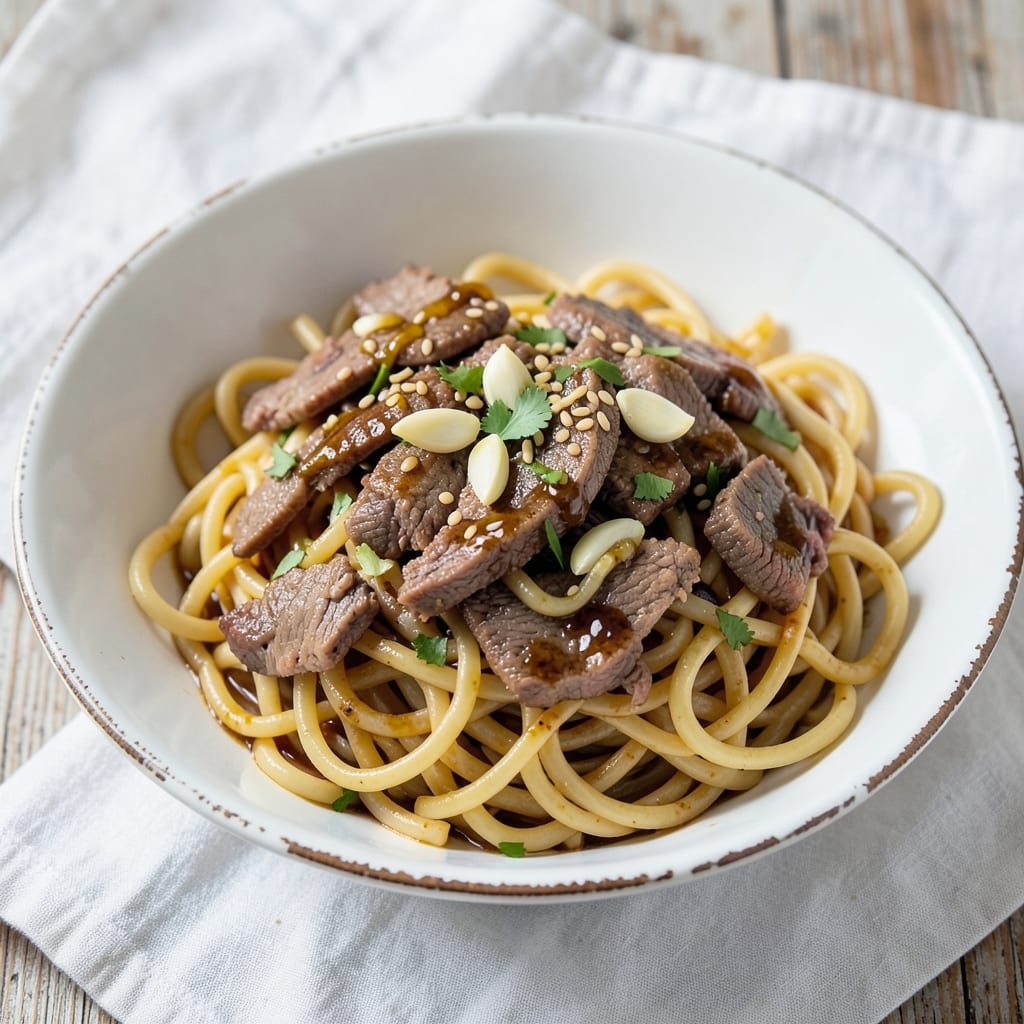
This beef and noodles recipe using canned beef proves that pantry staples can deliver restaurant-quality umami in just 20 minutes. I developed this one-pot method after realizing how often canned beef gets overlooked—it’s the secret weapon for quick, flavorful meals without sacrificing depth. The trick lies in balancing the beef’s natural saltiness with bright aromatics and a simple sauce that clings to every noodle.
What makes this recipe work is the combination of high heat and minimal prep: boil your noodles directly in the pot, then add the canned beef and a splash of soy sauce to wake up its flavors. Garlic, ginger, and a touch of sugar round out the sauce, creating a silky, savory coating that transforms simple ingredients into something truly satisfying. No chopping, no waiting—just layer upon layer of umami.
The result is a dish that’s hearty enough for a weeknight dinner but quick enough to pull together on days when you’re short on time. The noodles absorb the rich, slightly sweet sauce while staying tender, and the beef stays juicy despite its canned origins. This is the kind of meal that feels indulgent without requiring hours in the kitchen.
Customize it with green onions for freshness, a fried egg on top for extra protein, or a sprinkle of sesame seeds for texture. The beauty of this recipe is its flexibility—it’s a blank canvas for whatever you have on hand. Let’s get cooking!
Ingredients for beef and noodles recipe using canned beef
Pantry staples meet bold flavors in this quick beef and noodles recipe using canned beef.
| Ingredient | Amount | Notes |
|---|---|---|
| Canned Beef 🥩 | 14 oz | High-quality brand, drained |
| Egg Noodles 🍜 | 8 oz | Medium width, uncooked |
| Garlic Cloves 🧄 | 3 cloves | Minced for aromatic depth |
| Fresh Ginger 🌿 | 1 tbsp | Grated, finely chopped |
| Soy Sauce 🍶 | 2 tbsp | Light or dark variety |
| Sesame Oil 🫒 | 1 tbsp | Toasted for nutty aroma |
| Granulated Sugar 🍚 | 1 tsp | Balances savory flavors |
| Vegetable Oil 🫒 | 2 tbsp | High smoke point preferred |
| Green Onions 🧅 | 2 whole | Thinly sliced for garnish |
| Salt 🧂 | 1 tsp | Adjust to taste |
| Black Pepper 🌶️ | ½ tsp | Freshly ground preferred |
| Sesame Seeds 🌾 | 1 tsp | Optional for texture |
| Water 💧 | 4 cups | For boiling noodles |
The canned beef is the star here, so choose a high-quality brand—look for labels without added MSG or excessive sodium. I always grab Storebrand or Libby's from the grocery store's international aisle. Fresh ginger and garlic are non-negotiable for that restaurant-quality depth, but if you're in a pinch, jarred minced garlic works. The egg noodles should be medium-width—they hold up better to the sauce than thin strands. For extra convenience, grab pre-minced garlic and grated ginger from the freezer section at Trader Joe's—it saves time without sacrificing flavor.
No sesame oil? Toasted peanut oil adds a similar nutty depth. Running low on soy sauce? Coconut aminos or tamari work in a pinch, though the color will be lighter. The sugar might seem odd, but it's essential—it cuts through the saltiness of the canned beef and balances the umami. For a deeper flavor, add a dash of fish sauce or Worcestershire (if vegetarian, use soy sauce instead). The green onions can be swapped for scallions or chives, but they add that fresh pop of color that makes the dish feel complete.
This dish reheats beautifully—just add a splash of water to prevent drying out. Keeps for 3-4 days in the fridge, though it's best enjoyed fresh. For meal prep, store components separately: noodles, beef, and sauce. Assemble when ready to eat to maintain texture. The sauce thickens as it cools, so a quick stir with a splash of water revives it. Double the batch and freeze half for lazy weeknights—just thaw and reheat.
Why You'll Love This Recipe
- Pantry Magic: I swear by this one—no fresh meat, no fuss, just open a can and you’re halfway there. The canned beef keeps its texture perfectly, so you get that satisfying chew without the prep.
- Garlic-Ginger Punch: That minced garlic and fresh ginger sizzling in the pan? It transforms the whole dish. The soy sauce ties it all together with a deep, savory umami that makes it taste like you spent hours simmering.
- Lunchbox Hero: Between us, this is my go-to for packed lunches. Cold or reheated, it’s still solid—just toss in a little soy sauce and it’s like you made it fresh. Honestly, my kids actually finish their school lunches with this.
- Budget Win: A single can of beef and a bag of noodles feed four for under five bucks. Leftovers? Even better. I’ll reheat this for breakfast with a fried egg on top—yes, even on a Tuesday night.
Step-by-step instructions for beef and noodles using canned beef
Here's how to transform simple pantry staples into a rich, savory dish with minimal effort.
Prepare the Aromatics and Noodles
In a large pot, heat the 2 tablespoons vegetable oil over medium heat until shimmering. Add the 3 cloves minced garlic cloves and 1 tablespoon finely chopped fresh ginger, cooking for 30 seconds until fragrant. You'll smell that aromatic depth building—the foundation of your dish.
Add the 8 ounces egg noodles and stir to coat in the oil. Pour in the 4 cups water and bring to a rolling boil. This one-pot approach eliminates cleanup while ensuring perfect noodle texture. The noodles should float to the surface in about 8-10 minutes—they're done when they're tender but still hold their shape slightly.
Incorporate the Beef and Seasonings
Drain the 14 ounces canned beef thoroughly, shaking off any excess liquid. Add it to the pot along with 2 tablespoons soy sauce, 1 teaspoon granulated sugar, 1 teaspoon salt, and 0.5 teaspoon black pepper. Stir gently to combine—you want the beef to distribute evenly without breaking up.
The sugar here isn't just for sweetness; it helps balance the umami from the beef and soy sauce. Let the mixture simmer for 3-4 minutes until the noodles absorb the flavorful liquid. You'll notice the sauce thickening slightly as it reduces—this creates that perfect coating on each noodle.
Finish with Umami Depth
Reduce heat to low and stir in 1 tablespoon sesame oil. The aroma will intensify immediately—this is where the dish transforms from good to extraordinary. Add the 2 whole thinly sliced green onions and cook for another 1-2 minutes until they wilt slightly but retain their vibrant color.
Taste and adjust seasoning if needed. For that final touch, sprinkle 1 teaspoon sesame seeds over the top. These add a subtle crunch and visual appeal that elevates the dish. The seeds should stay whole and toasted—don't overcook them or they'll turn bitter.
Rest and Serve
Remove from heat and let the noodles rest for 2-3 minutes. This allows the flavors to meld completely and prevents the noodles from becoming mushy when served. The sauce should coat each strand perfectly, with no dry spots.
Serve immediately while hot. The combination of tender noodles, savory beef, and aromatic seasonings creates a harmonious balance of textures and flavors. Each bite should deliver that satisfying umami punch while maintaining a clean, bright finish from the green onions and sesame.
Pro Tips For Making Beef And Noodles Recipe Using Canned Beef
- Drain and Rinse the Beef: Canned beef holds onto its salty brine like a miser with gold—if you don’t rinse it, your noodles will taste like a swimming pool. Dump the can into a colander, give it a quick cold-water rinse, and pat it dry with paper towels. This keeps the flavor balanced without making your dish taste like a science experiment gone wrong.
- Mince Ginger Like You Mean It: Pre-packaged ginger paste is fine in a pinch, but fresh ginger makes the difference between "meh" and "wow." Use a sharp knife to julienne it into paper-thin strips, then finely chop—think matchsticks first, then confetti. If you’re lazy, grate it, but don’t skip the freshness. It adds a bright, zesty kick that jarred ginger can’t replicate.
- Cook Noodles Until Al Dente: Overcooked noodles turn to mush faster than your willpower on a Monday morning. Test them at the earliest time on the package—pull one out, rinse it in cold water, and bite it. If it’s still slightly firm, they’re perfect. Undercooked noodles? Tough luck. No take-backs.
- Sauté Garlic Low and Slow: Burnt garlic ruins everything. After searing the beef, push it to one side of the pan, lower the heat to medium-low, and let the garlic sizzle gently in its own fat. Stir every 10 seconds—yes, it’s tedious, but it’s the only way to get that nutty aroma without turning it into charcoal. Patience here saves the dish.
Serving suggestions for leftovers
Classic Garnishes
Freshly sliced green onions add a bright, crisp contrast to the rich noodles. I like to sprinkle them on top right before serving—just 2 whole onions thinly sliced gives that perfect pop of color and freshness. For extra texture, toast 1 teaspoon sesame seeds in a dry pan for 30 seconds until golden, then sprinkle over the top. The seeds add a nutty crunch that balances the soft noodles beautifully. 🌿
Protein Boosters
Add a fried egg on top for extra protein and richness. Cook it sunny-side-up in the same pot you used for the noodles—just crack it in during the final 2 minutes of cooking. The runny yolk will mix into the sauce, creating a creamy, indulgent finish. For a vegetarian twist, swap the beef for extra-firm tofu pressed and pan-fried until crispy, then add it with the green onions at the end.
Side Dish Pairings
Serve with a simple steamed bok choy or quick-pickled cucumbers to cut through the richness. I often toss ½ cup cucumber ribbons with 1 tablespoon rice vinegar, ½ teaspoon sugar, and a pinch of salt for a refreshing side. For a heartier meal, pair with garlic butter mushrooms sautéed in 1 tablespoon butter with 2 minced garlic cloves. The earthy mushrooms complement the beef's umami perfectly.
Sauce Variations
Want to shake things up? Swap the soy sauce for 1 tablespoon oyster sauce plus 1 teaspoon fish sauce for deeper seafood notes. For a spicy kick, add ½ teaspoon chili crisp or 1 teaspoon gochujang with the sesame oil. If you love tang, stir in 1 teaspoon rice vinegar at the end. Each variation keeps the dish quick but transforms it into something entirely new—like a mini flavor adventure. 🌶️
Beverage Pairings
A cold Asian lager like Sapporo or Tsingtao cleanses the palate between bites. For something lighter, try a sparkling green tea like Olon—the effervescence balances the dish's richness. If you prefer wine, a crisp Pinot Grigio from Italy adds a bright acidity that cuts through the umami. Avoid heavy reds; they'll overpower the delicate flavors. 🍺
Meal Prep Upgrades
Double the batch and store components separately for easy reheating. Keep the cooked noodles in one container, the beef and sauce in another, and assemble when ready. To reheat, stir in 1 tablespoon water per serving and warm over medium heat for 3-4 minutes. For extra flavor, add a splash of soy sauce when reheating. This method keeps the noodles from becoming soggy and lets you customize each serving with fresh garnishes. ⏰
Nutrition facts
Frequently asked questions
What's the best way to drain canned beef for this recipe?
Drain the beef thoroughly but don't rinse it—this preserves its natural flavors and prevents the sauce from becoming watered down. Use a slotted spoon to transfer it to the pot, shaking off any excess liquid. The residual oil in the can actually helps create a richer sauce when combined with the aromatics.
Can I use instant ramen noodles instead of egg noodles?
Yes, but with adjustments: use 2 packets (3 oz each) of ramen and reduce the water to 3 cups since instant noodles cook faster. Skip the seasoning packet—the sauce already provides all the flavor. The texture will be slightly different but still delicious. For extra richness, stir in 1 teaspoon butter with the sesame oil.
Why does my sauce turn out too salty?
Canned beef already contains significant sodium, so taste as you go and adjust gradually. Start with 1 teaspoon salt and reduce to ½ teaspoon if needed. For balance, add 1 teaspoon sugar or ½ cup water to dilute. The soy sauce also contributes saltiness—use light soy sauce for milder flavor. Always taste before serving!
What if I don't have fresh ginger?
Use ½ teaspoon ground ginger or 1 teaspoon jarred minced ginger—both work in a pinch. For deeper flavor, add ½ teaspoon more garlic since ginger's warmth complements the beef's richness. If you have no substitutes, skip it—the dish will still be flavorful, just slightly less complex.
How can I make this dish spicier?
Add ½ teaspoon red pepper flakes with the aromatics or 1 teaspoon sriracha at the end. For heat lovers, stir in 1 tablespoon chili garlic sauce when incorporating the beef. For smoky depth, add ½ teaspoon smoked paprika with the sesame oil. Always taste first—spice builds as the dish cools!