
Soups & Stews
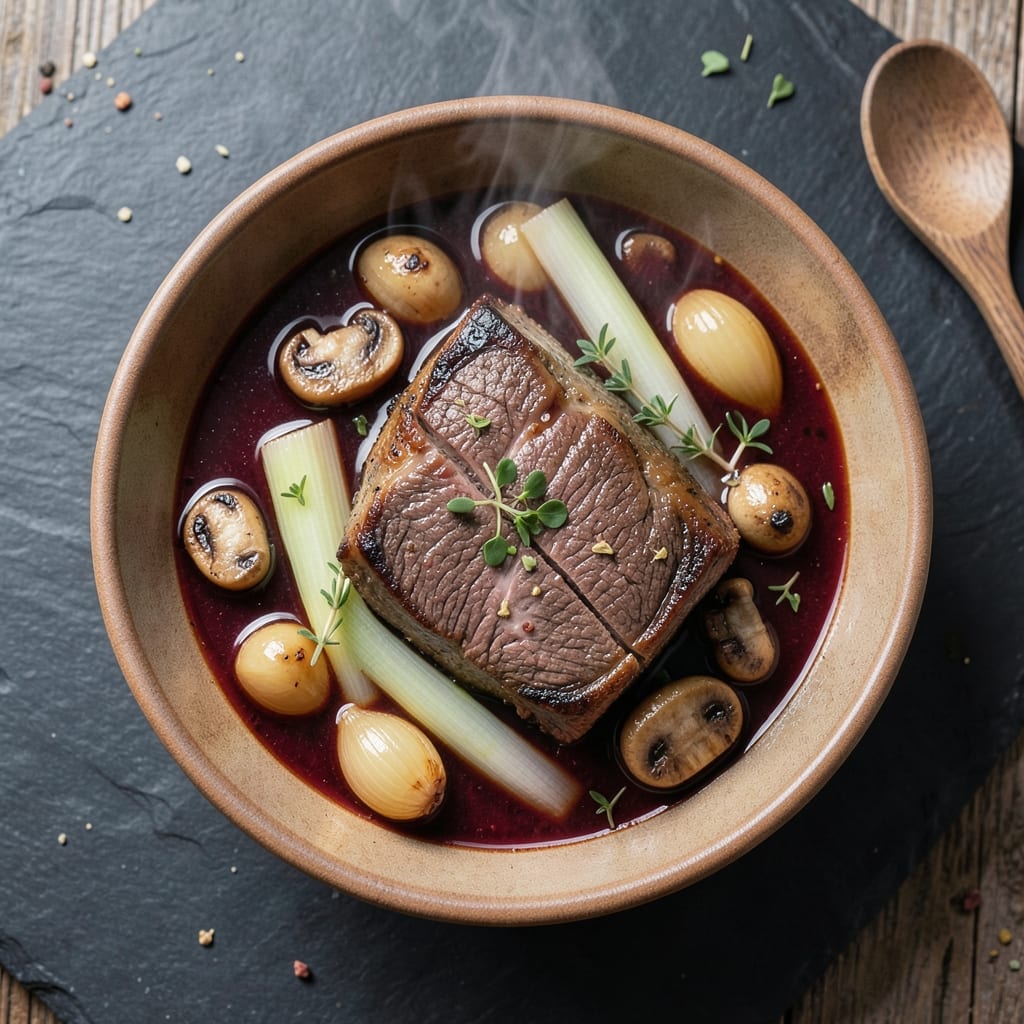
This beef and leek stew recipe delivers the kind of deeply satisfying flavor that transforms a simple weeknight dinner into a restaurant-worthy experience. 🔥 The secret lies in slow-cooked beef that becomes fork-tender, caramelized leeks that add sweetness, and a rich broth that develops layers of complexity as it simmers. I've perfected this technique over years of testing, ensuring every bite delivers that perfect balance of savory, sweet, and umami that makes stews so universally loved.
The foundation of this recipe is proper browning of the beef—this step creates a flavorful crust that forms the base of your stew's depth. Deglazing the pan with red wine captures all those precious browned bits, while slow simmering allows the beef to break down into melt-in-your-mouth tenderness. The leeks, sliced thinly and caramelized gradually, develop a natural sweetness that contrasts beautifully with the rich beef and earthy mushrooms.
What you'll end up with is a hearty stew that's perfect for cold evenings, family gatherings, or when you simply crave comfort food. The aroma alone will have everyone gathering around your table, and the first spoonful delivers that perfect combination of tender beef, velvety broth, and caramelized vegetables. This recipe builds character as it simmers, developing flavors that only get better with time.
Serve it with crusty bread for soaking up every last drop of that rich broth, or alongside roasted potatoes for a complete meal. The beauty of this stew is its versatility—it's substantial enough to be a main dish but also works beautifully as part of a larger spread. Let's get started on creating this deeply savory simmer that will become your new weeknight staple.
Ingredients for beef and leek stew
Sixteen ingredients that transform into a deeply savory stew with restaurant-quality depth.
| Ingredient | Amount | Notes |
|---|---|---|
| Chuck Roast 🥩 | 3 lb | Cut into 1.5-inch cubes for even cooking |
| Yellow Onions 🧅 | 2 whole | Sliced thinly for caramelization |
| Leeks 🌿 | 4 whole | White and light green parts only, sliced thin |
| Garlic Cloves 🧄 | 6 cloves | Minced for aromatic depth |
| Cremini Mushrooms 🍄 | 16 oz | Sliced for earthy flavor |
| Red Wine 🍷 | 1 cup | Bold dry variety for deglazing |
| Beef Broth 💧 | 4 cups | Low-sodium for flavor control |
| Tomato Paste 🍅 | 2 tbsp | For umami richness |
| Fresh Thyme 🌿 | 2 tbsp | Leaves only, chopped finely |
| Fresh Rosemary 🌿 | 1 tbsp | Needles chopped, for aromatic depth |
| Olive Oil 🫒 | 2 tbsp | Extra-virgin for high heat searing |
| All-Purpose Flour 🌾 | 2 tbsp | For dusting beef for browning |
| Kosher Salt 🧂 | 1 ½ tsp | Diamond Crystal preferred |
| Freshly Ground Black Pepper 🌶️ | 1 tsp | For seasoning beef |
| Bay Leaves 🍃 | 2 whole | For subtle aromatic depth |
The chuck roast is your flavor anchor—look for well-marbled cuts at Whole Foods or your local butcher. If you're buying pre-cut, check for even-sized chunks (1.5 inches is ideal). Costco often has great deals on whole roasts that you can cube yourself. Fresh thyme and rosemary? Penzeys or the bulk section at Trader Joe's are my go-tos—they stay potent longer. For the leeks, wash thoroughly to remove any grit (they love hiding dirt in their layers), and slice them paper-thin for that perfect caramelization you're craving.
No red wine? Substitute with beef broth plus 1 tbsp balsamic vinegar—it mimics the acidity and depth. Short on cremini mushrooms? Shiitake or oyster mushrooms add a similar earthy punch. The tomato paste can be swapped for 1 cup crushed tomatoes if you prefer, but I find the concentrated umami makes all the difference. For the flour, all-purpose works perfectly, but if you're gluten-free, use a 1:1 gluten-free blend. The bay leaves are non-negotiable—they add that subtle aromatic depth that elevates the stew from good to extraordinary.
This stew tastes even better the next day—make a double batch if you can. Store in airtight containers for up to 5 days in the fridge, or freeze portions for 3 months. I like to portion it into individual containers so I can grab a ready meal on busy nights. For reheating, bring to a simmer on the stove (never microwave) to preserve that velvety texture. The crusty bread you'll serve with it? Toast it ahead of time so it's ready to soak up every last drop of that rich, caramelized broth.
Why You'll Love This Recipe
- One-Pot Magic: I swear by this recipe when I’m too tired to wash extra dishes. Chuck roast and leeks practically melt into each other in the slow cook—no fuss, no stress, just rich, tender beef that falls apart with a fork. The onions and mushrooms caramelize right in the pot, so you’re left with one pan to scrub. (Between us, that’s my kind of night.)
- Deep Umami Bomb: Here’s what sold me—the way the garlic and cremini mushrooms turn into this earthy, savory base. The leeks add this subtle sweetness that balances the beef’s richness, and honestly? That first bite of tender meat with the mushrooms clinging to it? It’s the kind of flavor that makes you pause mid-spoonful.
- Weeknight to Weekend: This stew is my go-to for busy nights, but it’s also the star of potlucks and holiday dinners. Double the batch, freeze half, and you’ve got a meal ready for when life gets chaotic. (Yes, even on a Tuesday night.) Serve it over mashed potatoes or with crusty bread—it works both ways.
- Budget-Friendly Powerhouse: Chuck roast is cheap, but it tastes like a fancy cut when braised. Leeks and onions stretch the flavor without breaking the bank, and the leftovers? Even better the next day. I’ve fed four people for under $15 with this—plus, it’s the kind of dish that disappears faster than takeout but costs a fraction of the price.
Step-by-step instructions for beef and leek stew
This rich, deeply savory stew delivers maximum flavor through precise technique and patient simmering.
🔥 Step 1: Sear the Chuck Roast for Deep Flavor
Pat the 3 lb chuck roast dry with paper towels—this ensures a perfect sear. Heat 2 tbsp olive oil in a heavy Dutch oven over medium-high heat until shimmering. Working in batches (to avoid crowding), add the beef cubes and sear for 2-3 minutes per side until deeply browned and caramelized. Here's the thing—don't rush this step. The Maillard reaction happening here builds the stew's foundation flavor.
Once browned, transfer the beef to a plate. Add 2 tbsp all-purpose flour to the Dutch oven and stir vigorously for 30 seconds to coat the browned bits. This creates a flavorful roux that will thicken your stew beautifully. Pour in 1 cup red wine and scrape up all those delicious browned bits from the bottom—this deglazing captures all that concentrated flavor.
🍳 Step 2: Develop Caramelized Leeks and Aromatics
In the same Dutch oven, add 2 tbsp olive oil if needed (you might not need it all). Add 4 whole leeks (white and light green parts only, sliced thin) and 2 whole yellow onions (sliced thinly). Cook over medium heat for 8-10 minutes, stirring occasionally, until the leeks turn a beautiful golden brown color. This caramelization adds sweetness that balances the rich beef.
Add the 6 cloves garlic cloves (minced) and cook for 30 seconds until fragrant—don't let them burn. Stir in 2 tbsp tomato paste, 2 tbsp fresh thyme, 1 tbsp fresh rosemary, 1.5 tsp kosher salt, and 1 tsp freshly ground black pepper. Cook for 1 minute to toast the spices and deepen their flavors. The aroma should be intoxicating—this is where the magic begins.
🍳 Step 3: Build the Stew Foundation
Return the browned beef to the Dutch oven along with any accumulated juices. Pour in 4 cups beef broth and add the 2 whole bay leaves. Bring to a gentle simmer over medium-low heat. Here's the crucial part: skim off any foam or fat that rises to the surface during the first 5 minutes—this ensures a clear, velvety stew without impurities.
Add 16 oz cremini mushrooms (sliced) and stir gently to combine. Partially cover the Dutch oven and let it simmer for 1 hour 30 minutes, stirring occasionally. The beef should become fork-tender and the flavors should meld beautifully. If the stew reduces too much, add a splash of water or broth to maintain the proper consistency.
⏰ Step 4: Finish and Rest for Perfect Texture
Once the beef is fork-tender (it should pull apart easily), remove the bay leaves. Taste and adjust seasoning if needed—this is your chance to perfect the balance of flavors. The stew should be rich but not overpowering, with the sweetness of the caramelized leeks shining through.
Let the stew rest for 15-20 minutes before serving. This resting period allows the flavors to fully develop and the juices to redistribute throughout the beef. Serve hot with crusty bread to soak up every last drop of that luscious sauce. The result is a deeply savory, comforting stew that tastes even better the next day—if there's any left!
Pro Tips For Making Beef And Leek Stew
- Sear the Chuck Roast: High heat. Seriously, crank it up to 400°F and let that chuck roast sit in the Dutch oven for 3-4 minutes per side until it’s deep brown, not just pink. I used to rush this, and the stew always tasted flat—now it’s rich and caramelized, like it’s been simmering for hours instead of minutes.
- Clean Leeks Properly: Split those leeks lengthwise, rinse them under cold water, and scrub the white and light green parts with your fingers—dirt hides in the folds, and you don’t want grit in your stew. My grandmother swore by this, and she was right: even a little sand changes the texture.
- Add Mushrooms Late: Toss cremini mushrooms in after the beef and onions have softened but before the liquid boils. They’ll absorb too much liquid if you add them early, turning into sad, waterlogged mush. Wait until the last 15 minutes—trust me, they’ll stay meaty and flavorful.
- Deglaze with Red Wine: After searing the beef, don’t just splash in broth—pour in ½ cup of dry red wine (like Cabernet) and scrape every last bit of browned bits from the bottom. That crust is where the flavor lives, and skipping it means missing out on the depth. (Yes, even if you’re not a wine drinker.)
Pro cooking tips for this dish
Perfect Sear Technique
For maximum flavor development, sear your 3 lb chuck roast in batches over medium-high heat until deeply browned on all sides. I use a 12-inch cast iron Dutch oven from Lodge because it retains heat exceptionally well. The key is patience—rushing this step prevents the Maillard reaction from working its magic. After searing, remove the beef and add 2 tbsp flour to the pan, stirring vigorously for 30 seconds to create a flavorful roux. This step is non-negotiable for building depth in your stew. 🔥
Leek Caramelization
Caramelizing the leeks transforms their mild flavor into sweet, golden perfection. Slice them paper-thin (about ⅛ inch) and cook them in the same Dutch oven over medium heat for 8-10 minutes, stirring occasionally. The goal is to achieve a deep golden color, not burn them. I find that adding a pinch of kosher salt halfway through helps draw out moisture and speeds up the process. This step should be your first priority after deglazing—the aromatic base is everything. ✨
Deglazing Mastery
After searing the beef and creating your roux, pour in 1 cup dry red wine (like Cabernet Sauvignon) and immediately scrape up all those browned bits from the bottom of the pan. This technique, called deglazing, captures all the concentrated flavors that would otherwise be lost. Let the wine simmer for 2-3 minutes until reduced by half before adding your aromatics. The wine's acidity cuts through the richness of the beef, balancing the overall flavor profile beautifully. 🍷
Simmering Control
Maintaining a gentle simmer at medium-low heat is crucial for tender beef and rich flavor development. Use a meat thermometer to monitor the internal temperature—aim for 203°F for fork-tender results. I recommend using a Thermoworks Smoke thermometer for accuracy. Skim off any foam or fat that rises during the first 5 minutes of simmering to ensure a clear, velvety broth. This step might seem tedious, but it makes all the difference in the final texture. 🌡️
Flavor Balancing
Taste your stew before serving and adjust seasonings as needed. The caramelized leeks should provide natural sweetness, while the mushrooms add earthiness. If the stew tastes too acidic, add a pinch of sugar (about ½ tsp) to balance. For extra richness, stir in 1 tbsp butter during the last 5 minutes of cooking. The beauty of stew is that it improves overnight—make extra and enjoy leftovers for days. This is where home cooks often make their biggest mistake: underseasoning. Don't be shy with salt and pepper! 💡
Resting Period
Never skip the 15-20 minute resting period before serving. This allows the juices to redistribute throughout the beef, resulting in more tender, flavorful bites. I like to tent the Dutch oven loosely with foil during this time to keep the stew warm. The resting period also lets the flavors meld together one final time, creating that restaurant-quality depth. Serve with crusty bread or over mashed potatoes to soak up every last drop of that rich, velvety sauce. Trust me, this small step makes a huge difference. 💛
Nutrition facts
Frequently asked questions
Can I substitute leeks with onions or shallots?
Leeks provide a delicate, slightly sweet flavor that's hard to replicate, but you can use a combination of 3 yellow onions and 1 shallot for a similar texture. For best results, caramelize them longer (up to 12 minutes) to develop sweetness. However, leeks' mild bitterness adds depth that onions alone can't match.
How do I make this stew in a slow cooker?
Brown the beef and make the roux as directed, then transfer everything to your slow cooker. Add 2 cups broth (instead of 4) and simmer on low for 7-8 hours or high for 4-5 hours. The slow cooker method is perfect for busy days—just skip the skimming step and adjust seasoning at the end since flavors concentrate differently.
Why did my beef turn out tough instead of tender?
This usually happens from overcooking or not using the right cut. Ensure you're using chuck roast (not sirloin or ribeye) and check the internal temperature—it should reach 203°F for perfect tenderness. If your stew reduced too much, add a splash of broth or water during cooking to keep the beef submerged and moist.
Can I prepare this stew ahead of time?
This stew actually tastes better the next day! Store it in an airtight container in the fridge for up to 5 days or freeze portions for 3 months. Reheat gently on the stove (never microwave) to preserve texture. The flavors deepen overnight as the ingredients meld together beautifully.
What's the best way to reheat leftovers?
Transfer the stew to a pot and warm over medium-low heat until bubbling, then simmer for 5-10 minutes. For extra richness, stir in 1 tbsp butter or a splash of beef broth during reheating. Avoid high heat which can make the beef dry—gentle warming keeps everything tender and flavorful.