
Soups & Stews
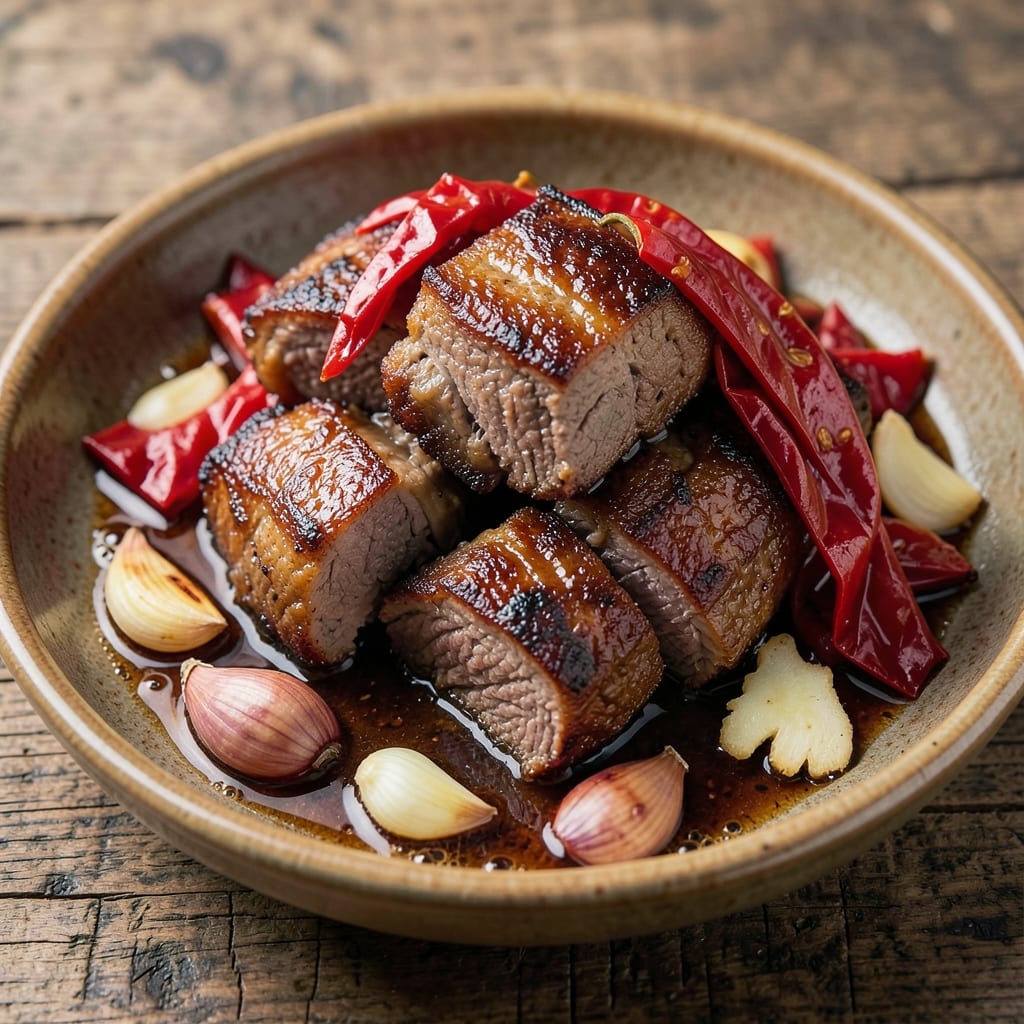
This beef and kimchi recipe delivers the bold, tangy punch of Korean fermentation with tender beef that practically melts in your mouth. The magic happens when spicy, funky kimchi meets perfectly braised beef—creating a dish that’s equal parts comforting and electrifying. I’ve perfected this method to balance the heat without overwhelming the rich, savory depth of the beef.
The secret lies in the slow cooking process, which transforms tough cuts into fork-tender pieces while letting the kimchi’s flavors meld into a thick, aromatic stew. You’ll need just a handful of ingredients—quality beef, kimchi, and a few pantry staples—but the result is restaurant-quality depth that’s impossible to resist. The aroma alone will have everyone gathering around the table.
By the time you’re done, you’ll have a dish that’s hearty enough for a weeknight dinner but impressive enough for company. The beef stays juicy and flavorful, the kimchi adds layers of tangy heat, and the sauce reduces into a glossy, umami-rich finish. Serve it over steamed rice to soak up every last drop of that complex, fermented goodness.
This recipe works equally well as a standalone meal or paired with crispy fried rice for a fusion twist. The beauty of it? You can adjust the heat level to suit your taste—whether you prefer a gentle spice or full-on fiery kick. Let’s get cooking!
Ingredients for beef and kimchi
Quality chuck roast and funky kimchi make this dish a flavor powerhouse—simple ingredients that pack serious punch.
| Ingredient | Amount | Notes |
|---|---|---|
| Chuck Roast 🥩 | 1 ½ lb | Cut into 1-inch cubes |
| Kimchi 🥬 | 2 cups | Packed, with juice |
| Soy Sauce 🥄 | ½ cup | Low-sodium preferred |
| Brown Sugar 🍯 | ¼ cup | Packed, light variety |
| Garlic Cloves 🧄 | 6 cloves | Minced, fresh preferred |
| Fresh Ginger 🌿 | 1 tbsp | Grated, peeled |
| Sesame Oil 🫒 | 1 tbsp | Toasted, for aroma |
| Rice Vinegar 🍶 | 2 tbsp | White or seasoned |
| Vegetable Oil 🫒 | 2 tbsp | For searing |
| Green Onions 🧅 | 3 whole | Sliced, for garnish |
| Salt 🧂 | 1 tsp | Kosher or sea salt |
| Black Pepper 🌶️ | ½ tsp | Freshly ground |
| Sesame Seeds 🌾 | 1 tbsp | Toasted, for garnish |
The chuck roast is where the magic starts. Look for good marbling at the grocery store—it means more flavor and juicier meat. Costco or Whole Foods usually have the best quality, but any well-stocked supermarket works. Cut it into 1-inch cubes before cooking for even browning. If you can't find chuck, chuck-style steak or even flank steak will work in a pinch, but chuck is king here for that melt-in-your-mouth texture. The kimchi? Skip the low-sodium version—you want that salty, tangy punch to balance the sweetness later.
No kimchi juice? Add a splash of water or broth to keep the pot from drying out. Running short on soy sauce? Coconut aminos or tamari work just as well. The brown sugar can be swapped for honey or maple syrup, though the caramelization will be slightly different. Fresh ginger is ideal, but ground ginger at half the amount gets you close. Toast your sesame seeds in a dry pan for 30 seconds—they add a nutty aroma that takes this dish to the next level. For extra heat, add a dash of gochujang or red pepper flakes, but trust me, the kimchi brings enough fire on its own.
This stew tastes even better the next day as the flavors meld. Store in an airtight container in the fridge for up to 5 days, or freeze for 3 months. I like to double the batch and freeze half—perfect for lazy weeknights. The rice vinegar adds a bright finish, so don't skip it. Garnish with those toasted sesame seeds and sliced green onions right before serving. They add freshness that cuts through the richness. Leftovers reheat beautifully—just add a splash of water if it's too thick.
Why You'll Love This Recipe
- One-Pan Magic: I swear by this—just toss the chuck roast, kimchi, and a handful of garlic into one pot, and let it slow-cook. No chopping, no fussing, no extra dishes. The kimchi’s tang cuts through the beef’s richness, and the brown sugar caramelizes right in the pan. That’s how you make weeknights work.
- Umami Bomb: The combo of fermented kimchi and soy sauce? It’s like a flavor party in your mouth. The beef gets fork-tender while soaking up all that funky, sweet-savory goodness, and the garlic? Oh, it roasts into little crispy bits that add this perfect bite. I’ll be real—this isn’t just a meal, it’s a mood booster.
- Leftovers? Please: This dish tastes better the next day—yes, really. The flavors meld into this deep, rich stew that’s perfect for lunches or feeding a crowd. I make a double batch on Sundays, and by Wednesday, it’s still the star of my meal prep. (Pro tip: Freeze half if you’re not a glutton for punishment.)
- Budget Hero: Chuck roast is cheap, kimchi lasts forever, and you’re using pantry staples. No fancy ingredients, no waste—just a hearty, satisfying dish that won’t break the bank. Plus, the brown sugar adds a touch of luxury for pennies. My wallet and my taste buds high-five every time.
Step-by-step instructions for beef and kimchi stew
Here's how to build this bold, tangy stew that balances rich beef with zesty kimchi.
Sear the Chuck Roast for Deep Flavor
Heat the 2 tablespoons vegetable oil in a large Dutch oven over medium-high heat until shimmering. Pat the 1.5 lb chuck roast dry with paper towels—this ensures a proper sear. Working in batches if needed, add the beef cubes to the pot in a single layer. Let them sear undisturbed for 3-4 minutes per side until deeply browned with a crust forming.
Resist the urge to move them around—this caramelization builds the stew's foundation. Once all pieces are browned, transfer them to a plate. You'll want to leave all that beautiful browned beef fat in the pot for the next step. If the fat looks insufficient, add another 1 tablespoon vegetable oil to maintain proper heat.
Build the Aromatic Base
Reduce the heat to medium and add the 6 cloves minced garlic cloves and 1 tablespoon grated fresh ginger to the Dutch oven. Cook for 30 seconds until fragrant—you should smell that pungent, fresh aroma. Be careful not to burn them, as they cook quickly.
Next, add the 2 cups packed kimchi (including its juice) and stir to combine. The kimchi will release its tangy, spicy flavors as it warms. Cook for 2-3 minutes, stirring occasionally, until the kimchi softens slightly and releases its juices. This step develops the stew's signature fermented heat that will mellow beautifully as it simmers.
Simmer with Sweet and Savory Balance
Return the seared beef to the pot. Add the 0.5 cup soy sauce, 0.25 cup packed brown sugar, 2 tablespoons rice vinegar, 1 tablespoon sesame oil, 1 teaspoon salt, and 0.5 teaspoon black pepper. Stir everything together until the brown sugar dissolves completely—this ensures even distribution of flavors throughout the stew.
Bring the mixture to a gentle boil, then reduce the heat to low to maintain a steady simmer. Cover the pot and let it cook for 1 hour and 15 minutes, stirring occasionally. This slow cooking time allows the beef to become fork-tender while the flavors meld into a perfect harmony. The stew should reduce slightly, creating a thicker, more concentrated sauce.
Finish and Garnish for Restaurant-Quality Presentation
After the stew has simmered, remove the lid and increase the heat to medium-high to reduce the liquid slightly. Cook uncovered for 5-7 minutes until the sauce has thickened to your desired consistency—it should coat the back of a spoon but still be saucy enough to coat the beef. Taste and adjust seasoning if needed, adding more soy sauce for saltiness or brown sugar for sweetness.
Just before serving, stir in the 1 tablespoon toasted sesame seeds and garnish each serving with slices of 3 whole green onions. The sesame seeds add a nutty crunch that contrasts beautifully with the tender beef and tangy kimchi. Serve immediately with steamed rice—this stew tastes best fresh when all the flavors are at their peak.
Pro Tips For Making Beef And Kimchi
- Sear the Roast First: Chuck roast can turn tough if it’s just braised—start by searing it hard in a hot pan with oil until deep brown on all sides. The crust locks in flavor and keeps the meat tender, especially when it’s later slow-cooked in the kimchi sauce.
- Drain and Rinse Kimchi: Skip the watery sauce by draining the kimchi in a colander for 10 minutes, then giving it a quick rinse if it’s especially briny. You’ll avoid a watery stew and let the actual kimchi flavor shine through.
- Deglaze with Soy-Garlic First: After searing the beef, scrape up those browned bits with a splash of soy sauce and minced garlic before adding the kimchi. This step builds a richer base—don’t skip it, or you’ll lose half the flavor.
- Finish with Brown Sugar Last: Stir in the brown sugar only in the final 5 minutes of cooking. This prevents it from burning and lets it caramelize just enough to balance the heat of the kimchi without turning the sauce bitter.
Essential equipment for great beef and kimchi
Dutch Oven Essentials
A 5-7 quart Dutch oven is your secret weapon for this recipe—it distributes heat evenly and locks in moisture during the long simmer. I recommend the Le Creuset Stoneware Dutch Oven (it’s pricey but lasts forever) or the Lodge Cast Iron Dutch Oven for budget-friendly durability. Both handle high heat and transition seamlessly from stovetop to oven if you ever want to finish with a broil. The deep sides prevent spills when stirring kimchi, and the tight lid traps steam for tender beef. 🔥
Thermometer for Precision
Use a meat thermometer to monitor internal beef temperature—aim for 195°F for melt-in-your-mouth tenderness. The ThermoWorks Smoke or Meater models give instant readings without piercing the meat repeatedly. For kimchi stew, I also check sauce consistency by eye: it should coat the back of a spoon but remain saucy. A thermometer ensures you don’t overcook the beef while the sauce reduces perfectly. ⏰
Tongs for Perfect Searing
Invest in a pair of heat-resistant tongs (like OXO Good Grips) to handle the beef during searing—no need to crowd the pot. Their long handles keep your fingers safe from splattering kimchi juice, and the grips prevent slipping when flipping cubes. I use mine to lift beef out of the pot without losing any rendered fat, which is crucial for building flavor. 💪
Mixing Spoon for Stirring
A wooden spoon (preferably olive wood) is ideal for stirring the stew—it won’t scratch your Dutch oven and adds a subtle earthy note. Avoid metal spoons when scraping the bottom, as they can introduce off-flavors. For the final reduction, switch to a heatproof silicone spatula to gently scrape up caramelized bits from the bottom. Keep one handy at all times for adjusting seasoning. 🌿
Knife Kit for Prep
Sharp tools make prep faster: a 8-inch chef’s knife (like Shun Premier) for chopping green onions, and a microplane for ginger. Prep all aromatics before searing to streamline cooking. I also keep a small cutting board near the stove to avoid carrying hot pots across the kitchen. A pair of kitchen shears comes in handy for snipping green onions quickly. ✨
Optional: Instant Pot
For a shortcut, use a 6-quart Instant Pot on the Sauté function for searing, then switch to Pressure Cook (High) for 30 minutes. The Instant Pot Duo handles the job beautifully, though the texture won’t be exactly the same as Dutch oven braising. I reserve this for weeknights when I’m short on time—just
Nutrition facts
Frequently asked questions
Can I use ground beef instead of chuck roast?
Yes, but the texture will differ. Ground beef cooks much faster and won't develop the same melt-in-your-mouth tenderness. If using it, brown the meat first, then proceed with the recipe. For best results, use 80/20 ground beef—the fat content helps create a richer sauce. The cooking time will be shorter (30-45 minutes total), so check for doneness early.
How do I reduce the spiciness if my kimchi is too hot?
Start by removing some of the spicy kimchi pieces (look for red chili flakes) and replacing them with milder kimchi. Add 1-2 tablespoons of sugar or honey to balance the heat, or stir in 1 tablespoon of rice vinegar to mellow the flavors. For extra cooling, add a pinch of baking soda (just ¼ teaspoon)—it neutralizes capsaicin, the compound that makes kimchi spicy. Taste as you go!
Can I make this recipe in a slow cooker?
Sear the beef in a skillet first, then transfer everything to a 6-quart slow cooker. Cook on Low for 6-8 hours or High for 3-4 hours, stirring occasionally. The slow cooker method is perfect for hands-off cooking. The sauce may be thinner than Dutch oven versions, so reduce it on the stovetop at the end if you prefer a thicker consistency. Add a splash of water if it gets too dry.
What's the best way to reheat leftovers?
Reheat gently to preserve texture. Place leftovers in a pot over medium-low heat and add 2-3 tablespoons of water or beef broth to prevent drying. Simmer uncovered for 5-7 minutes, stirring occasionally, until heated through. Avoid microwaving—it can make the sauce watery. If the stew thickens too much, add a splash of water or kimchi juice to restore the perfect consistency.
Can I substitute kimchi for another fermented vegetable?
While kimchi is ideal for its unique tangy-spicy profile, you can use sauerkraut or pickled radishes in a pinch. For best results, add ½ teaspoon of gochugaru (Korean chili flakes) or a dash of hot sauce to mimic kimchi's heat. Sauerkraut will make the dish more sour, so balance it with extra brown sugar. The texture won't be identical, but the fermented flavors will still shine.