
Soups & Stews
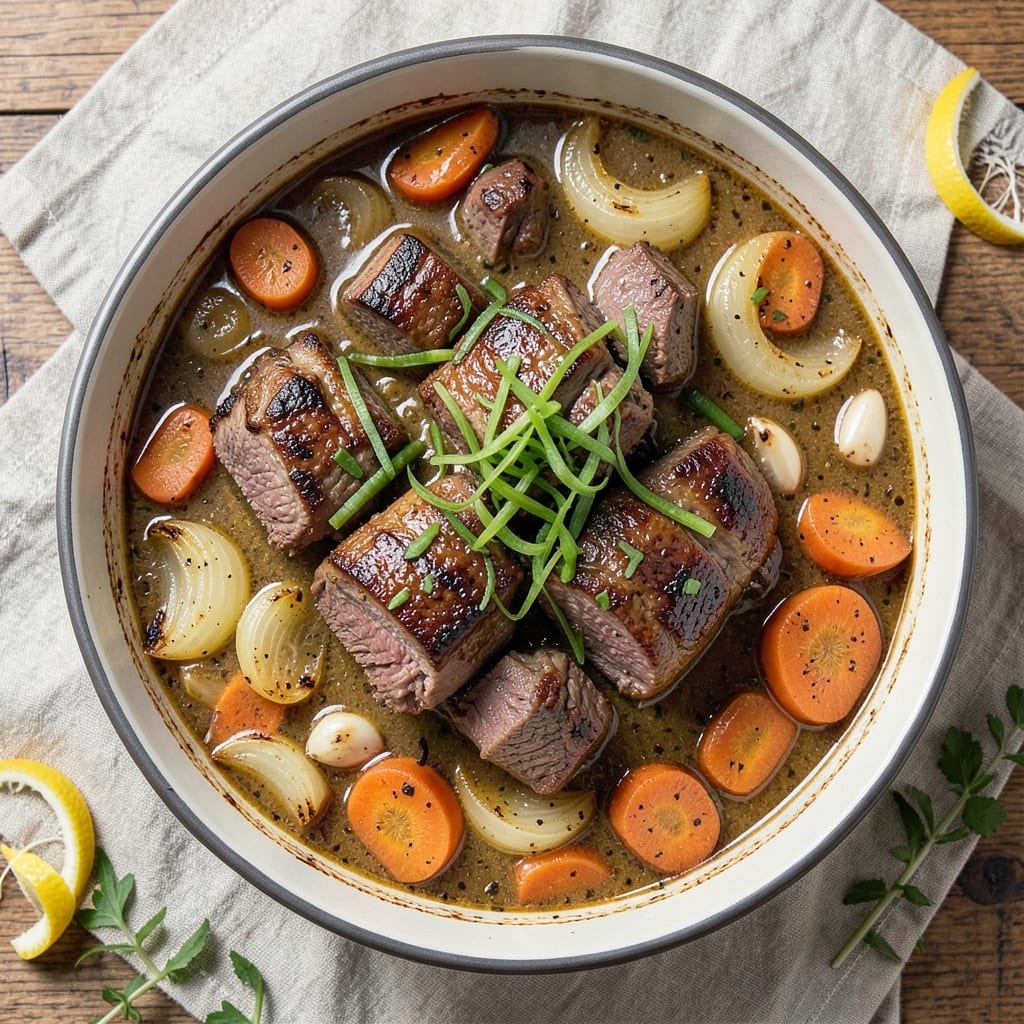
This beef and horseradish stew recipe delivers a perfect balance of tender beef and bold horseradish heat that lingers long after the last bite. The slow-cooking process transforms tough cuts into melt-in-your-mouth perfection while developing deep, complex flavors. What makes this version stand out is the careful layering of spices and the right amount of horseradish—enough to add a tangy kick without overpowering the rich beef broth.
Professional chefs know that searing the beef first creates a flavorful crust that dissolves into the stew, adding depth to every spoonful. The recipe uses simple pantry staples like carrots, onions, and garlic to build a flavor base, then lets the horseradish shine as the star ingredient. This method ensures the stew remains rich and satisfying while keeping the heat balanced and approachable.
The result is a hearty stew with fork-tender beef chunks swimming in a velvety, aromatic broth. The horseradish adds a bright, peppery tang that cuts through the richness, creating a harmonious blend of flavors. Serve it with crusty bread to soak up every last drop of that flavorful sauce, or pair it with roasted vegetables for a complete meal.
Perfect for chilly evenings or family dinners, this stew is easy to prepare but feels like a restaurant-quality dish. The slow-cooking technique means you can walk away and let the flavors develop naturally, resulting in a comforting meal that's sure to become a household favorite. Here's how to make it!
Ingredients for beef and horseradish stew
Rich beef and bold horseradish create a velvety stew with restaurant-quality depth.
| Ingredient | Amount | Notes |
|---|---|---|
| Chuck Roast Beef 🥩 | 2 lb | Cut into 1.5-inch cubes |
| Yellow Onions 🧅 | 2 whole | Chopped into 1-inch pieces |
| Carrots 🥕 | 4 whole | Cut into 2-inch chunks |
| Garlic Cloves 🧄 | 6 cloves | Minced finely |
| Fresh Horseradish Root 🌿 | 3 tbsp | Grated, adjust for heat |
| Beef Broth 💧 | 4 cups | Low-sodium preferred |
| Red Wine 🍷 | 1 cup | Bold dry variety |
| Tomato Paste 🍅 | 2 tbsp | Smooth texture preferred |
| All-Purpose Flour 🌾 | 2 tbsp | For thickening |
| Dried Thyme 🌿 | 1 tsp | Or 1 tbsp fresh |
| Bay Leaves 🌿 | 2 whole | Remove before serving |
| Black Peppercorns 🌶️ | 1 tsp | Freshly cracked |
| Salt 🧂 | 1 ½ tsp | Kosher or sea salt |
| Unsalted Butter 🧈 | 2 tbsp | For finishing |
| Fresh Parsley 🌿 | ¼ cup | Chopped for garnish |
The beef cut matters here—chuck roast delivers the best texture after slow cooking. Look for well-marbled pieces at your butcher or the meat department; Costco or Whole Foods often carry high-quality cuts. Fresh horseradish is non-negotiable for authentic flavor—Trader Joe's sells it pre-grated, but grating your own root gives the best control over heat intensity. If you can't find fresh, horseradish sauce works in a pinch, though it's less potent. The onions and carrots should be firm and free of soft spots; organic produce from the store's refrigerated section keeps best for this recipe.
No red wine? Beef broth with 1 tbsp balsamic vinegar mimics the depth perfectly. Fresh horseradish too spicy? Mix with 1 tbsp grated apple to mellow the heat. The tomato paste can be substituted with 1 cup crushed tomatoes if you prefer, though paste gives better thickening power. For the flour, all-purpose works, but Wondra (instantized flour) dissolves faster if you're in a hurry. The thyme should be fragrant—if it smells stale, toss it. Dried thyme is fine, but fresh has a brighter flavor that stands up to the horseradish's boldness.
This stew tastes even better the next day as flavors meld. Store leftovers in an airtight container for up to 5 days in the fridge or 3 months in the freezer. For reheating, add 2 tbsp broth to prevent drying. The butter finishing touch adds richness—melt it into the stew off-heat so it doesn't break. Garnish with parsley right before serving, as it wilts quickly. Portion into soup bowls for easy reheating—just pop them in the microwave for 2 minutes.
Why You'll Love This Recipe
- One-Pot Magic: I swear by this stew because it’s literally one pot, one chop, and done. Toss the chuck roast, onions, and carrots in raw—no pre-cooking, no fuss—and let the slow simmer work its magic while you sip wine or scroll through your phone.
- Horseradish Heat Payoff: That fresh horseradish root? It’s the star. Grated sharp and bright, it cuts through the richness of the beef like a cool breeze on a summer day. (Yes, even on a Tuesday night.)
- Budget Feast: A chuck roast stretches further than you’d think, and this recipe feeds four for under $20. Between us, it’s my go-to when I need to impress guests without breaking the bank—or my grocery budget.
- Leftovers That Beg for More: The flavor actually deepens overnight, so I always make extra. My kids (and my husband) fight over the second-day portions—proof it’s not just good, but ridiculously good the next day too.
Step-by-step instructions for beef and horseradish stew
This method delivers melt-in-your-mouth beef with the perfect horseradish bite—every technique matters.
Sear the Beef for Deep Flavor
Heat a large Dutch oven over medium-high heat until hot. Add the 2 lb chuck roast beef cut into 1.5-inch cubes in a single layer, working in batches if needed. Let each piece sear undisturbed for 2-3 minutes until deeply browned on all sides—this creates the rich foundation for your stew.
Once browned, remove the beef and set aside. You'll notice the pan releases a wonderful aroma—this is the Maillard reaction at work, building complex flavors. Don't rush this step; impatient searing leads to pale, bland beef. The beef will finish cooking later, but this initial sear ensures maximum tenderness and depth of flavor.
Build the Aromatic Base
In the same Dutch oven, add 2 tablespoons unsalted butter and let it melt completely. Add the 2 whole yellow onions chopped into 1-inch pieces and 4 whole carrots cut into 2-inch chunks. Cook for 5-6 minutes, stirring occasionally, until the onions soften and begin to caramelize.
Add the 6 cloves minced garlic and cook for another 30 seconds until fragrant. Here's where the horseradish comes in—add the 3 tablespoons grated fresh horseradish root and stir. The raw horseradish will mellow as it cooks, delivering that signature sharp kick without overwhelming heat. Keep the heat at medium to prevent burning the garlic.
Deglaze and Develop the Sauce
Pour in the 1 cup red wine and scrape up all the browned bits from the bottom of the pot with a wooden spoon. This deglazing step captures all the flavor you've built. Let the wine simmer for 2-3 minutes until reduced by half, then stir in the 2 tablespoons tomato paste and 2 tablespoons all-purpose flour.
Cook for another 1 minute to cook out the raw flour taste. This creates a smooth, thickened base for your stew. The tomato paste adds depth, while the flour helps create that velvety texture we want. If the mixture looks too thick, you can add a splash of beef broth later—just don't overdo it now.
Simmer the Stew to Perfection
Return the browned beef to the pot. Add the 4 cups beef broth, 1.5 teaspoons salt, 1 teaspoon dried thyme, 2 whole bay leaves, and 1 teaspoon cracked black peppercorns. Bring to a gentle boil, then reduce heat to low and cover partially.
Simmer for 2.5-3 hours until the beef is fork-tender and easily pulls apart. You'll know it's done when the meat separates cleanly from the bone and the stew has thickened beautifully. The horseradish will have mellowed into a subtle, complex flavor rather than an overwhelming heat. Stir occasionally to prevent sticking, and if the stew gets too thick, add a little more broth.
Finish and Serve
Remove the bay leaves and discard them. Stir in the 2 tablespoons unsalted butter to enrich the stew and create a beautiful sheen on top. Taste and adjust seasoning if needed—this is your chance to balance the flavors. The horseradish should add a pleasant kick without overpowering the beef.
Ladle the stew into bowls and garnish with the 0.25 cup chopped fresh parsley. Serve immediately with crusty bread to soak up every last drop of that rich, flavorful sauce. The beef should be incredibly tender, falling apart at the touch of a fork, while the horseradish adds just the right amount of spicy complexity.
Pro Tips For Making Beef And Horseradish Stew
- SEAR THE ROAST FIRST: High heat for 3-4 minutes per side until deep brown—this isn’t just for flavor, it’s what keeps the beef tender when it’s braised for hours. I used to skip this, and the stew would always end up chewy. Trust me, the crust matters.
- GRATE HORSERADISH FRESH: Skip the jarred stuff—it’s watered down and lacks the sharp, bright kick you want. Use a box grater or food processor, then mix it with a splash of vinegar to mellow the raw bite before adding it to the stew. Yes, it’s a little extra work, but it makes all the difference.
- DON’T CROWD THE PAN: If you’re browning the onions and carrots, spread them out in a single layer. I learned this the hard way—overlapping them just means steaming instead of caramelizing, and you’ll end up with a stew that tastes more like soup. Patience here pays off.
- LOW AND SLOW WINS: After the initial sear, drop the heat to a simmer—no boiling, no rushing. I used to crank the heat to finish faster, but the beef would turn out dry and tough. Aim for 2-2.5 hours at a gentle bubble, and the meat will fall apart like it’s been cooked for days.
Common mistakes when making perfect results
Overcooking the Beef
The biggest mistake is letting the beef cook too long, turning tender chunks into dry, stringy pieces. Chuck roast needs patience, but 3 hours maximum is ideal—any longer risks toughness. I've ruined stews by walking away and forgetting about them overnight. Use a meat thermometer to check: the beef is perfect at 203°F internal temperature. 🌡️
Skipping the Sear
Many home cooks skip searing the beef, which is a huge flavor mistake. That initial 2-3 minute sear on each side creates a flavorful crust that dissolves into the stew. I once made this stew without searing—it tasted bland and one-dimensional. Use a heavy Dutch oven and don't crowd the pan, or you'll steam instead of brown.
Adding Horseradish Too Late
Adding fresh horseradish root at the end means you'll get a harsh, overpowering heat. The root needs time to mellow during cooking. Add it with the garlic in Step 2 and let it cook for at least 10 minutes before adding liquids. For extra control, mix 1 tbsp grated horseradish with 1 tbsp apple sauce before adding to the pot.
Ignoring the Wine Reduction
Many cooks pour in the wine and immediately add everything else, missing the crucial reduction step. Let that wine simmer until reduced by half to concentrate its flavors. I've seen stews where the wine taste was watery and weak. Reduce it properly, and you'll get that rich, complex depth that makes this stew special. 🍷
Using Pre-Grated Horseradish
Store-bought horseradish sauce or pre-grated horseradish lacks the fresh, vibrant kick of freshly grated root. The root contains volatile oils that mellow beautifully during cooking. If you must use pre-grated, mix it with 1 tsp lemon juice to preserve its sharpness. For best results, always grate your own root—it makes all the difference in flavor depth.
Not Deglazing Properly
Skipping the deglazing step means losing all those flavorful browned bits stuck to your pot. After searing the beef, scrape up every last bit with a wooden spoon when adding the wine. These bits contain concentrated flavors that make your stew taste restaurant-quality. I've made this stew both ways, and the difference is night and day—deglazing is non-negotiable. 🔥
Nutrition facts
Frequently asked questions
Can I substitute horseradish sauce for fresh horseradish root?
You can use horseradish sauce in a pinch, but fresh root delivers the best flavor. For each 3 tablespoons of grated root, use 2 tablespoons of prepared sauce. Mix it with 1 teaspoon lemon juice to preserve its sharpness—this helps balance the flavor since prepared sauce lacks the volatile oils that develop during cooking. The result won't be as vibrant, but it still adds that signature kick!
What's the best cut of beef for this stew?
Chuck roast is ideal because its marbling and connective tissue break down beautifully during slow cooking. Look for well-marbled pieces with 1/4-inch fat cap. Brisket or short ribs also work well, though they require slightly longer cooking times (3.5-4 hours). Avoid lean cuts like sirloin—they dry out instead of becoming tender.
How do I adjust the heat level in this stew?
Start with 2 tablespoons of grated horseradish for mild heat, or 4 tablespoons for a spicier kick. For extra control, mix the horseradish with 1 tablespoon apple sauce before adding it to the pot. If the heat becomes overwhelming, stir in 1/2 cup sour cream at the end to mellow the flavors while adding richness.
Can I make this stew in a slow cooker or Instant Pot?
For a slow cooker, brown the beef first, then transfer everything to the pot and cook on low for 8 hours or high for 4-5 hours. For an Instant Pot, sear the beef, then cook on high pressure for 45 minutes followed by a 10-minute natural release. The Instant Pot version finishes faster but requires more attention to prevent overcooking.
What are the best sides to serve with this stew?
Crusty sourdough bread is perfect for soaking up the rich sauce. Try roasted root vegetables like potatoes or parsnips, or a simple green salad with a tangy vinaigrette to cut through the richness. For a heartier meal, serve with buttered egg noodles or mashed potatoes. The key is balancing textures—something starchy and something fresh works best!