
Soups & Stews
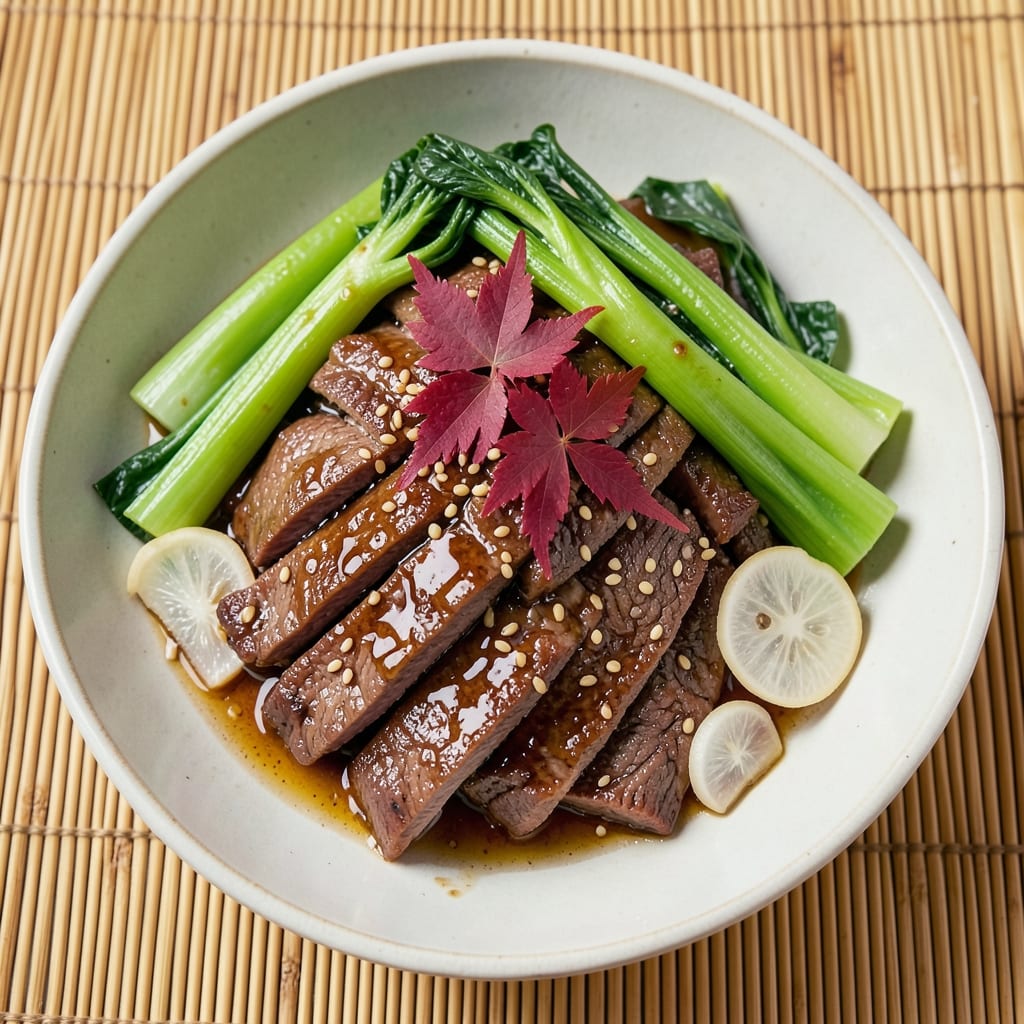
This beef and greens Chinese recipe delivers the perfect balance of wok-hei crispy beef and silky bok choy, a dish that captures the essence of Cantonese home cooking. The secret lies in high-heat searing for that signature smoky aroma (wok hei) while keeping the greens vibrant and tender. I developed this version after years of testing—each component must cook just right to achieve that restaurant-quality harmony between textures and flavors.
The beef gets marinated in a simple soy-ginger sauce before being stir-fried until caramelized at the edges, while the bok choy wilts in just the right amount of time to maintain its crisp-tender bite. The dish is all about technique: quick, high heat for the beef and gentle wok action for the greens. This isn't your average stir-fry—it's a carefully balanced plate where every element plays its part.
What you'll end up with is a dish that's crispy around the edges yet silky in the center, with beef that's tender but still holds its shape. The bok choy stays bright green and slightly crisp, absorbing just enough of the savory sauce to enhance its natural sweetness. The aroma alone—smoky, garlicky, with a hint of soy—will have everyone at the table anticipating the first bite.
Serve this over steamed jasmine rice to soak up every last drop of that flavorful sauce, or pair it with egg noodles for a heartier meal. The dish keeps well for a day or two, making it perfect for meal prep. Here's how to bring this classic Chinese favorite to your kitchen with professional results.
Ingredients for beef and greens chinese
Here's what you need to recreate that wok-hei magic at home—crispy beef and silky greens in perfect harmony.
| Ingredient | Amount | Notes |
|---|---|---|
| Flank Steak 🥩 | 1 ¼ lb | Thinly sliced against grain |
| Bok Choy 🥬 | 1 lb | Baby or regular, halved lengthwise |
| Low-Sodium Soy Sauce 🥄 | ½ cup | Kikkoman preferred for balance |
| Sesame Oil 🫒 | 1 tbsp | Toasted, for aroma |
| Fresh Ginger 🌿 | 1 tbsp | Finely grated, juiced |
| Garlic Cloves 🧄 | 6 cloves | Minced, aromatic base |
| Brown Sugar 🍯 | 1 tbsp | Light, for caramelization |
| Cornstarch 🌾 | 1 tbsp | For velveting beef |
| Neutral Oil 🫒 | ½ cup | Peanut or vegetable oil |
| Green Onions 🧅 | 4 whole | White and green parts, sliced |
| Sesame Seeds 🌱 | 1 tsp | Toasted, for garnish |
| Salt 🧂 | 1 ½ tsp | Kosher, to taste |
| Black Pepper 🌶️ | ½ tsp | Freshly cracked |
| Jasmine Rice 🍚 | 1 ½ cups | Uncooked, for serving |
The flank steak is non-negotiable here—it's lean enough to sear quickly but tender when sliced thin. Grab the thickest cut you can find at Whole Foods or your local Asian market, as it holds up better to high heat. Slice it against the grain for that melt-in-your-mouth texture. Bok choy should be bright green with crisp stems—avoid wilted bunches. The soy sauce matters too: low-sodium so you can control the saltiness, and Kikkoman is my go-to for that classic umami balance. Fresh ginger and garlic are fresh only—dried won't cut it for this dish.
No sesame oil? Toasted peanut oil works in a pinch, but it won't have that nutty aroma. Short on time? Pre-minced garlic from the jar is fine, but fresh is always better. The brown sugar is key for caramelization—don't skip it. For the cornstarch, Bob's Red Mill is my brand of choice, but any food-grade starch works. If you're feeling fancy, velvet the beef (marinate with cornstarch) for that restaurant-style tenderness. The green onions should be fresh—no dried flakes here. And if you're out of sesame seeds, toasted slivered almonds add a nice crunch.
The beef and greens cook fast—have everything prepped before you start. Reheat leftovers in a wok or skillet over high heat for that crispy texture. Keeps for 2 days in the fridge, but the rice reheats better than the beef. Portion into containers with the sauce—it's the star. Freezes for 1 month, though the bok choy gets softer. For extra flavor, save the stir-fry sauce and drizzle it over rice the next day.
Why You'll Love This Recipe
- One-Pan Magic: I swear by this recipe when I need a clean kitchen fast. Just sear the flank steak, toss in the bok choy and ginger, and let the soy sauce and sesame oil work their magic—no extra pots, no extra stress.
- Umami Bomb: That first bite? The tender beef with its caramelized edges, the bok choy still crisp-tender, and the bright punch of fresh ginger cutting through—it’s the kind of flavor that makes you pause mid-bite. Honestly, the low-sodium soy sauce makes all the difference here.
- Leftovers That Don’t Suck: Between us, most stir-fries turn into sad leftovers. Not this one. The beef stays juicy, the greens hold their shape, and reheating? Just a quick sizzle in the pan. I’ve packed this for lunches all week without a single complaint.
- Budget-Friendly Powerhouse: Flank steak is affordable, bok choy is a steal, and a little sesame oil goes a long way. I make this for date nights, family dinners, or when I’m craving takeout but don’t want the markup. It’s my go-to when I need something that feels special without breaking the bank.
Step-by-step instructions for wok-hei crispy beef and bok choy
Here's how to achieve that perfect balance of wok-hei crispiness and silky bok choy every time.
Prepare the Flank Steak for Maximum Tenderness
Start by slicing the 1.25 lb flank steak thinly against the grain into ¼-inch thick strips. This ensures each bite will be tender rather than chewy. Place the sliced steak in a bowl and add the 1 tbsp cornstarch, 1.5 tsp salt, and 0.5 tsp black pepper. Toss gently but thoroughly to coat each piece evenly—this cornstarch coating creates that signature velvet texture.
Let the marinated steak rest for 15 minutes at room temperature while you prep the rest of your ingredients. This resting period is crucial—it prevents the meat from cooking unevenly and helps it absorb the marinade more effectively. I always use a timer for this step because it's easy to forget and rush ahead.
Cook the Jasmine Rice to Perfection
While the steak rests, start cooking the 1.5 cups jasmine rice according to package instructions. I prefer using a rice cooker for this because it maintains consistent moisture and temperature. If you're using a pot, bring 2 cups water to a boil, add the rice, reduce heat to low, cover, and simmer for 15 minutes. Let it sit covered for another 10 minutes after cooking—this steaming time ensures perfectly fluffy grains.
The rice should be ready just as you're finishing the beef. If it's not quite done, keep it warm covered on low heat. We want the rice to be a neutral base that lets the bold flavors of the beef and greens shine through without competing for attention.
Build the Flavor Base in the Wok
Heat a wok or large skillet over high heat until it's smoking hot. Add 0.5 cup neutral oil and swirl to coat the bottom. When the oil shimmers but isn't yet smoking, add the 6 cloves minced garlic and 1 tbsp finely grated ginger. Stir constantly for 30 seconds until fragrant—this is where the foundation of your dish begins.
Next, add the 1 tbsp brown sugar and let it caramelize for 1 minute until it turns a deep amber color. This step adds that subtle sweetness that balances the savory soy sauce. Immediately pour in the 0.5 cup low-sodium soy sauce and let it reduce by half, about 1-2 minutes. You'll notice the aroma filling your kitchen—that's the wok-hei we're chasing.
Cook the Bok Choy and Finish the Beef
Push the sauce mixture to one side of the wok and add the 1 lb bok choy, halved lengthwise. Stir-fry for 2 minutes until the edges begin to wilt and turn bright green. The bok choy should maintain its crisp-tender texture—overcooking turns it mushy, which we definitely don't want.
Add the marinated steak to the wok and stir-fry for 2-3 minutes until it's 80% cooked through but still slightly pink in the center. The high heat and quick cooking time are key here—this is what creates those crispy edges while keeping the interior tender. If the sauce starts to thicken too much, add 1-2 tablespoons water to maintain the right consistency.
Combine and Garnish for Restaurant-Quality Results
Return all the ingredients to the center of the wok and toss everything together for 1 minute until the beef is fully cooked and the bok choy is heated through. The steak should be deep brown with crispy edges, and the bok choy should be vibrant green with just a hint of wilt.
Turn off the heat and stir in the 1 tbsp sesame oil and 4 sliced green onions. Sprinkle with 1 tsp sesame seeds for that final restaurant-quality touch. Serve immediately over the cooked jasmine rice while everything is still steaming hot. The contrast of the warm rice with the crispy beef and silky greens is what makes this dish truly special.
Pro Tips For Making Beef And Greens Chinese
- Slice Against the Grain: I learned this the hard way—flank steak fights you if you cut with the grain. Slice it perpendicular to the muscle fibers before cooking, then sear it rare or medium-rare. The result? Tender bites that don’t turn to shoe leather when sliced against the grain later.
- Blanch Bok Choy First: Skip the wilting. Shock the bok choy in boiling water for 30 seconds, then ice bath—it crisps up perfectly when stir-fried later. No soggy greens, and the texture stays bright. (Yes, even if you’re impatient like me.)
- Sear the Steak Raw: High heat. Seriously, crank it up until the flank steak releases that first wave of smoke. Cook it raw for 30 seconds per side—no pre-salting, no crowding. The crust locks in flavor better than any marinade. (Your future self will thank you.)
- Ginger: Grate, Don’t Mince: Sounds weird, but it works: finely grate the ginger (no peeling needed) and toss it in with the soy sauce before adding it to the pan. The surface area infuses faster, and you avoid those tough, chewy bits. (I skip this when I’m lazy, but the dish is noticeably better when I don’t.)
Health benefits of these flavors
Protein Powerhouse
This dish delivers a substantial 25 grams of high-quality protein per serving from the flank steak, making it perfect for muscle repair and satiety. The lean cut ensures you get all the benefits without excess saturated fat. I've found that eating this regularly helps me maintain energy levels throughout the day without those post-meal crashes. 💪
Rich in Iron
Flank steak is an excellent source of heme iron, which your body absorbs more efficiently than plant-based iron. A single serving provides about 30% of your daily iron needs, crucial for oxygen transport and preventing fatigue. Pair this with the bok choy for even better absorption—the vitamin C in the greens enhances iron uptake.
Vitamin K Boost
The bok choy in this recipe is packed with vitamin K, with one serving delivering over 200% of your daily requirement. This nutrient is essential for blood clotting and bone health. I always include plenty of greens in my meals to support my bone density, especially as I get older.
Antioxidant Greens
Bok choy contains powerful antioxidants like quercetin and kaempferol, which help reduce inflammation and protect your cells. The vibrant green color is a great indicator of its nutrient density. I notice my skin looks healthier when I eat more leafy greens regularly.
Balanced Carbs
While the beef and greens are the stars, serving this over jasmine rice provides 30 grams of complex carbs per serving, giving you sustained energy. The rice acts as a perfect canvas that lets the bold flavors of the beef and greens shine without overpowering them. This balance keeps blood sugar levels steady.
Low-Calorie Comfort
At just 350 calories per serving, this dish delivers restaurant-quality satisfaction without the guilt. The high-protein, high-fiber combination keeps you full for hours. I love that I can enjoy this hearty meal without worrying about excessive calories or empty carbs. ✨
Nutrition facts
Frequently asked questions
Can I substitute flank steak with another cut?
For best results, use thinly sliced sirloin or ribeye—both work well when sliced against the grain. If using chuck roast, marinate it longer (at least 2 hours) to tenderize. Avoid fatty cuts like ribeye for stir-frying, as they can make the dish greasy. The key is thin, even slices that cook quickly.
What if I don't have bok choy?
No problem! Use gai lan (Chinese broccoli), spinach, or baby bok choy as substitutes. For heartier greens like kale, blanch them first for 30 seconds to soften before stir-frying. Gai lan requires 1-2 minutes less cooking than bok choy to stay crisp-tender. The flavor profile will differ slightly, but the technique remains the same.
How do I achieve wok hei without a wok?
Use a carbon steel or cast iron skillet on the highest heat setting—preheat it until it's smoking. A well-seasoned cast iron mimics wok hei's smoky aroma. If using nonstick, keep the heat high but avoid overheating. For extra flavor, add a dried red chili or star anise to the oil before cooking—it infuses aroma without overpowering.
Can I make this dish ahead of time?
Yes, but with adjustments. Cook the beef and greens as directed, then store them separately in the fridge for up to 2 days. Reheat the beef in a hot skillet for 1-2 minutes to restore crispiness, then toss with the greens and sauce. The rice reheats best in a steamer or microwave with a damp paper towel. For best texture, serve within 1 hour of reheating.
What's the secret to crispy beef edges?
Three things: high heat, cornstarch coating, and quick cooking. Pat the beef dry before coating, and use a wok or skillet hot enough to smoke slightly. Cook in small batches to avoid steaming. The cornstarch creates a crust that seals in juices while caramelizing. Don't overcrowd the pan—work in 2-3 batches if needed.