
Soups & Stews
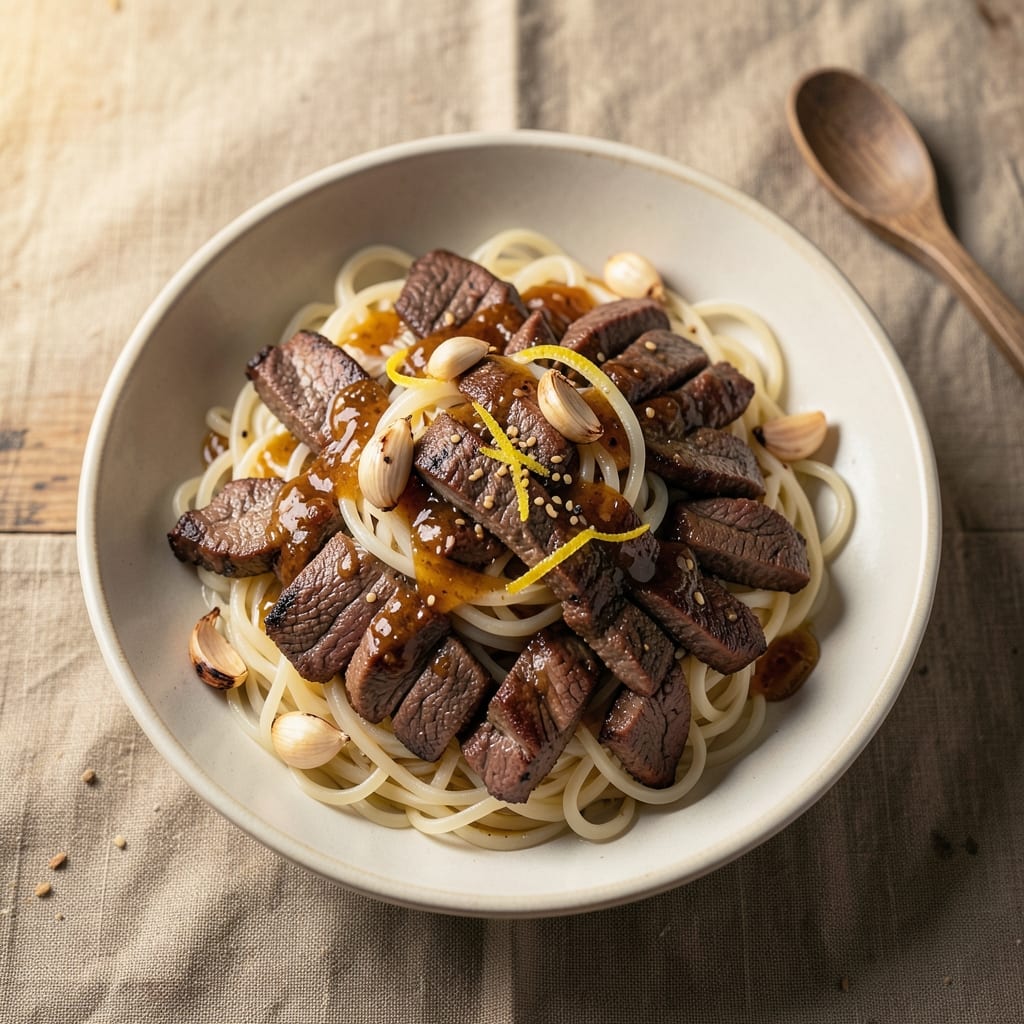
This beef and glass noodle recipe delivers the perfect balance of wok-hei crispy beef and silky, slurpy noodles that cling to every bite. The secret lies in high-heat stir-frying for that signature charred exterior while keeping the beef tender inside. I developed this recipe after years of perfecting stir-fry techniques, and it never fails to impress—even on busy weeknights.
The magic happens in two simple steps: first, searing the beef until it develops that coveted crispy crust, then tossing it with pre-cooked glass noodles that soak up the savory sauce. The glass noodles soften just enough to create that irresistible slurp, while the beef maintains its texture. This dish comes together in under 30 minutes, making it ideal for a quick yet satisfying meal.
What you'll end up with is a plate of perfectly balanced flavors—crispy beef, tender noodles, and a sauce that's both aromatic and deeply savory. The combination of textures and temperatures makes every bite exciting, while the aromatic spices create an inviting aroma that fills your kitchen. Serve with steamed vegetables or a simple side salad for a complete meal.
This recipe is versatile enough for weeknight dinners but impressive enough for guests. The technique is straightforward, yet the results feel restaurant-quality. Whether you're feeding a crowd or treating yourself to a comforting meal, this beef and glass noodle dish delivers every time. Let's get cooking!
Ingredients for beef and glass noodle
These ingredients deliver restaurant-quality wok-hei crispy beef with silky glass noodles in under 30 minutes.
| Ingredient | Amount | Notes |
|---|---|---|
| Flank Steak 🥩 | 1 ¼ lb | Thinly sliced against grain |
| Glass Noodles (Cellophane Noodles) 🍜 | 8 oz | Dried, rinsed and drained |
| Soy Sauce 🥄 | ⅓ cup | Light or all-purpose |
| Oyster Sauce 🍶 | 2 tbsp | High-quality preferred |
| Sesame Oil 🫒 | 1 tbsp | Toasted, for aroma |
| Garlic Cloves 🧄 | 4 cloves | Minced, fresh preferred |
| Fresh Ginger 🌿 | 1 tbsp | Grated, peeled |
| Vegetable Oil 🫒 | 2 tbsp | High smoke point |
| Green Onions 🧅 | 3 whole | Sliced, white and green parts |
| Cornstarch 🌾 | 1 tbsp | For beef marinade |
| White Pepper 🌶️ | ½ tsp | Freshly ground |
| Salt 🧂 | 1 tsp | Kosher or sea salt |
| Sesame Seeds 🌰 | 1 tbsp | Toasted, for garnish |
The beef choice is non-negotiable for that signature crispy texture. Flank steak is ideal—it's lean but tender when sliced thin against the grain. Look for well-marbled cuts at Whole Foods or your local butcher; the marbling ensures juiciness despite the high heat. If you can't find flank, sirloin or ribeye work too, but slice them extra thin. Pre-sliced beef at Trader Joe's is a time-saver, though it lacks that homemade touch. For glass noodles, Asian markets carry the best selection—avoid the pre-packaged cellophane noodles with additives if possible. Rinse them thoroughly before soaking to remove excess starch.
No oyster sauce? Hoisin sauce or extra soy sauce with a pinch of sugar works in a pinch, though the umami depth suffers. Fresh ginger and garlic are ideal, but powdered versions at half the amount get you close. The cornstarch in the marinade is key—it creates that crispy crust, so don't skip it. For sesame oil, toasted is a must—the nutty aroma is what makes this dish sing. If your green onions are tough, slice the white parts separately and cook them longer. The sesame seeds? Toast them in a dry pan for 30 seconds—they'll add crunch and depth that pre-toasted seeds can't match.
Prep ahead to save time: marinate the beef and soak the noodles up to 2 hours in advance, but no longer or they'll get mushy. Store the marinade separately from the beef in the fridge. Glass noodles keep for 6 months in a cool, dark place after opening. The cooked dish reheats beautifully—just add a splash of water and stir-fry for 2-3 minutes over high heat. For leftovers, portion into airtight containers with a thin layer of sesame oil on top to preserve freshness for 3-4 days. Freeze for up to 3 months if you're meal prepping.
Why You'll Love This Recipe
- No-Fuss Prep: I swear by this one—just slice the steak thin, soak the noodles, and toss everything in one pan. The flank steak caramelizes in minutes, and those glass noodles soften without fuss.
- Umami Bomb: That combo of soy and oyster sauce? It’s like a flavor explosion. The sesame oil ties it all together with a nutty finish that makes every bite feel special.
- Lunchbox Hero: Pack it cold or reheated—this dish holds up perfectly. My kids grab it for school lunches, and I take it to potlucks because it’s always a crowd-pleaser.
- Budget Powerhouse: Flank steak stretches far, and glass noodles are cheap. I make this twice a week, and it never feels like a splurge—just satisfying, hearty meals for less.
Step-by-step instructions for wok-hei crispy beef with silky slurp
Here's the method for achieving that signature wok-hei crispy beef texture with perfectly al dente glass noodles.
Marinate and Prep the Flank Steak
Slice the 1.25 lb flank steak thinly against the grain into ¼-inch thick strips. Place the sliced steak in a bowl and add the 1 tbsp cornstarch, 1 tsp salt, and 0.5 tsp white pepper. Toss gently to coat the beef evenly with the dry marinade. Let it sit for 15 minutes at room temperature while you prepare the remaining ingredients.
This cornstarch coating creates the crispy exterior we're after. Don't skip the room temperature step—cold meat releases less moisture during cooking, which prevents proper browning. The longer it sits, the better the texture becomes.
Cook the Beef to Crispy Perfection
Heat a wok or large skillet over high heat until it's smoking hot. Add the 2 tbsp vegetable oil and swirl to coat the pan. Working in batches (don't overcrowd), add the cornstarch-coated beef and sear for 1-2 minutes per batch until the edges turn deep golden brown and crispy. Remove the cooked beef and set aside.
This high-heat sear is crucial for that wok-hei texture. You want the beef to develop a crispy crust while remaining tender inside. If the pan isn't hot enough, the beef will steam instead of crisp. Keep the cooked beef warm while you prepare the rest of the dish.
Prepare the Sauce and Noodles
In the same wok, reduce heat to medium and add the 4 cloves minced garlic and 1 tbsp grated fresh ginger. Stir-fry for 30 seconds until fragrant. Pour in the 0.33 cup soy sauce and 2 tbsp oyster sauce, scraping up any browned bits from the bottom of the pan. Add 1 tbsp toasted sesame oil and bring to a gentle simmer.
Meanwhile, rinse the 8 oz glass noodles under cold water until they're completely clear of any white residue. Drain well and soak in hot (not boiling) water for 5-7 minutes until they're pliantly soft but still hold their shape. Drain again and toss with a tiny bit of oil to prevent sticking.
Combine and Finish the Dish
Return the cooked beef to the wok with the sauce and toss everything together for 1-2 minutes until the beef is evenly coated and heated through. Add the drained glass noodles and toss gently to combine, allowing the noodles to absorb the flavorful sauce. Cook for an additional 2-3 minutes until everything is heated through.
Taste and adjust seasoning if needed. The dish should have a perfect balance of salty, umami-rich flavors with a hint of ginger and garlic. For that final touch, sprinkle with 1 tbsp toasted sesame seeds and 3 sliced green onions (white and green parts) just before serving.
Serve immediately while the beef is still crispy and the noodles are hot. The contrast of textures—crispy beef, silky noodles, and tender aromatics—makes this dish truly special. Each bite should deliver that perfect wok-hei experience we're after.
Pro Tips For Making Beef And Glass Noodle
- Slice Against the Grain: Flank steak’s tough when cut wrong—trim the fat first, then slice diagonally against the grain before cooking. I used to ignore this and ended up with chewy bites; now my noodles get tender slices every time.
- Soak Noodles in Cold Water: Glass noodles expand fast—soak them in cold water for 10-15 minutes before cooking, then drain well. Skipping this makes them gummy; a quick rinse after soaking keeps them from sticking.
- Sear Steak High and Fast: Crank the heat to medium-high and sear flank steak for 2-3 minutes per side until deeply browned. Low heat turns it gray and dull—this crust locks in flavor and keeps it juicy when sliced thin.
- Deglaze with a Splash: After searing, hit the pan with 2 tablespoons of water (or a splash of oyster sauce) and scrape vigorously. That browned bit? Pure flavor—ignoring it means a bland sauce. Stir for 30 seconds, then add the rest.
Serving suggestions for leftovers
Classic Side Pairings
Steamed bok choy or gai lan adds a fresh, slightly bitter contrast that balances the rich beef flavors. I like to blanch 4 cups chopped bok choy in boiling water for 30 seconds, then shock in ice water to retain crispness. A simple sesame-ginger dressing made with 1 tbsp toasted sesame oil, 1 tsp soy sauce, and ½ tsp grated ginger elevates it further. 🥬
Crunchy Toppings
Add texture with quick-pickled vegetables or fried shallots. Thinly slice 2 shallots and fry in 1 tbsp neutral oil until golden and crisp. For pickles, toss 1 cup shredded carrots with 2 tbsp rice vinegar, ½ tsp sugar, and a pinch of salt. Let sit for 15 minutes before serving. Both add vibrant crunch that cuts through the silky noodles.
Beverage Pairings
A crisp, dry Riesling from Germany complements the dish beautifully—its acidity cuts through the richness while enhancing the umami notes. For beer lovers, a Japanese lager like Sapporo or Asahi provides a clean, refreshing contrast. Avoid heavy, malty beers that would overpower the delicate flavors. A simple jasmine green tea also works wonderfully for a non-alcoholic option. 🍶
Garnish Finishing Touches
Fresh cilantro leaves and lime wedges add brightness and freshness. Tear ¼ cup cilantro and sprinkle over each serving just before eating. Serve with 2 lime wedges on the side so guests can squeeze a little juice over their bowls. The acidity brightens the dish and makes every bite feel more vibrant. A final drizzle of chili oil adds heat for those who love a kick. 🌿
Family-Style Serving
For sharing, serve in a large wok or cast-iron skillet at the center of the table. Use a steam table or chafing dish to keep everything warm. Provide small bowls of extra sauce, sesame seeds, and green onions on the side so everyone can customize their portions. This interactive approach makes the meal feel special and communal. 🍜
Meal Prep Adaptations
Prepare components ahead for quick assembly. Cook the beef and sauce in advance, then refrigerate in airtight containers for up to 3 days. Soak the noodles separately and store them in a sealed container with a damp paper towel to prevent drying. When ready to serve, reheat the beef and sauce together, then toss with fresh noodles. Garnish with toasted sesame seeds and green onions just before serving for maximum freshness. ⏰
Nutrition facts
Frequently asked questions
Can I use regular wheat noodles instead of glass noodles?
Glass noodles are essential for that signature slurp and delicate texture, but you can substitute with rice vermicelli or udon noodles if needed. Avoid wheat noodles—they'll make the dish too heavy and won't absorb the sauce properly. For best results, use noodles that soften quickly in hot water (like rice noodles) and cook them just until pliable.
Why does my beef turn out chewy instead of tender?
This usually happens when the beef isn't sliced thinly against the grain or cooked at high enough heat. Always slice at a ¼-inch thickness and sear in a smoking-hot wok for 1-2 minutes per batch. Overcrowding the pan also causes steaming instead of crisping. Work in small batches and keep the heat high!
How do I make this dish spicier? Add ½-1 tsp chili flakes or 1 tbsp chili garlic sauce to the sauce mixture, or serve with sriracha on the side. For extra heat, toss in 1 tsp gochujang (Korean chili paste)> with the sauce ingredients.
Can I make this recipe gluten-free?
Yes! Use tamari or gluten-free soy sauce instead of regular soy sauce, and check that your oyster sauce is certified gluten-free. The cornstarch coating can be replaced with arrowroot powder for the same crispy effect. Glass noodles are naturally gluten-free, but always verify the package label.
What's the best way to reheat leftovers?
Reheat in a wok or skillet over medium-high heat with a splash of water for 2-3 minutes to restore crispiness. Avoid microwaving—it makes the beef soggy. For extra crunch, sear the beef again in a dry pan for 30 seconds**> before combining with the noodles and sauce.