
Soups & Stews
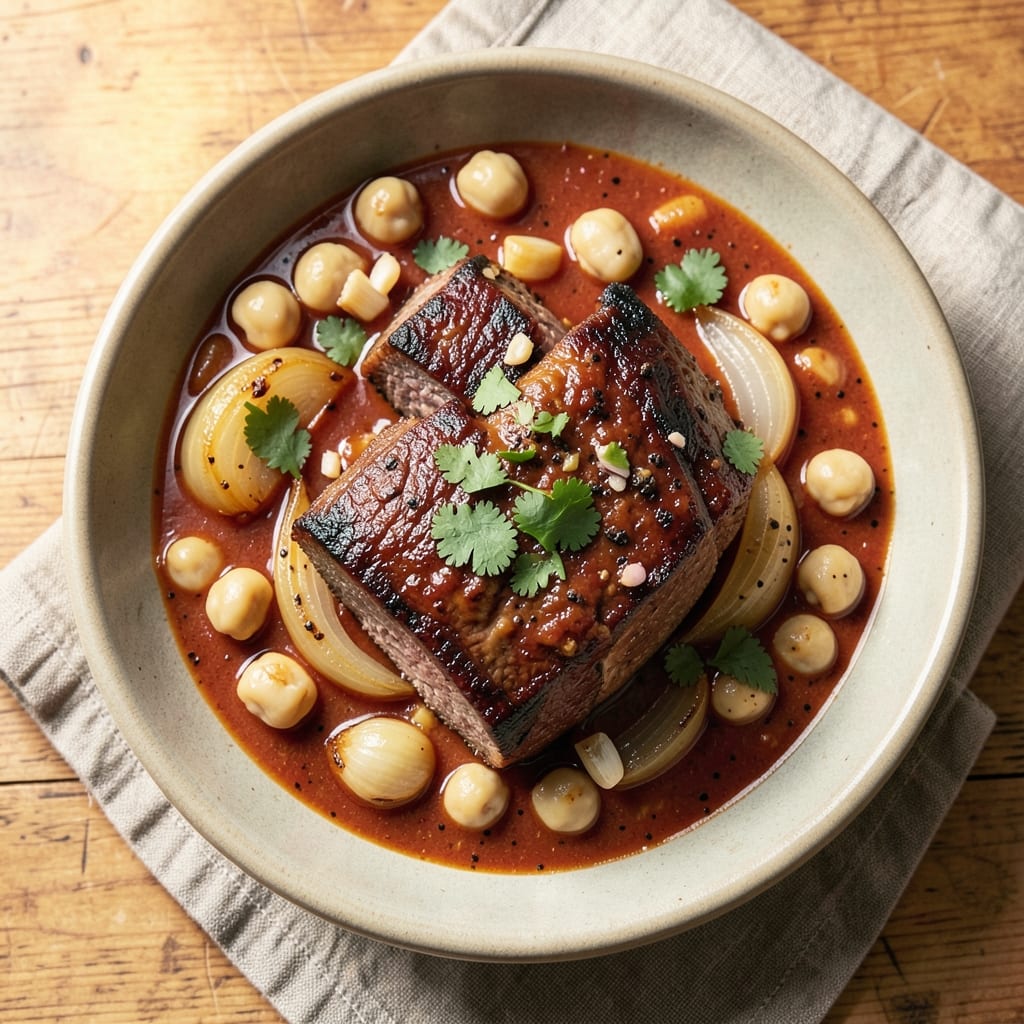
This beef and chickpea curry recipe delivers the rich, aromatic flavors of a home-cooked Indian feast—tender beef and soft chickpeas in a velvety tomato-based sauce. The secret lies in slow simmering, which transforms tough beef into melt-in-your-mouth bites while allowing chickpeas to soak up the spiced sauce. I’ve perfected this method over years of testing, balancing heat, sweetness, and acidity for a dish that’s both comforting and restaurant-worthy.
What sets this recipe apart is the spiced tomato base, where onions, garlic, and ginger form the foundation before warming spices like cumin, coriander, and turmeric deepen the flavor. A splash of coconut milk at the end adds creaminess without overpowering the dish. The result is a curry with tender beef and chickpeas that hold their shape, all swimming in a sauce that’s rich yet light enough for a satisfying meal.
This curry is designed to be both traditional and approachable—ideal for weeknight dinners or special occasions. Serve it over basmati rice or with warm naan to soak up every last drop of that fragrant sauce. The recipe includes shortcuts like pre-chopped vegetables and instant spice blends, but the payoff is a dish that tastes like it simmered all day.
Whether you're feeding a family or meal prepping for the week, this curry delivers depth and satisfaction. The key is patience—letting the flavors meld and the beef become fork-tender. Trust the process, and you’ll have a dish that’s worth every minute of simmering.
Ingredients for beef and chickpea curry
The foundation of restaurant-quality curry: tender beef, aromatic spices, and velvety tomato base.
| Ingredient | Amount | Notes |
|---|---|---|
| Chuck Roast 🥩 | 1 ½ lb | Pre-cubed for even cooking |
| Chickpeas 🌾 | 1 can | Drained, rinsed, 15 oz can |
| Yellow Onion 🧅 | 1 whole | Medium, finely diced |
| Garlic Cloves 🧄 | 6 cloves | Peeled, minced |
| Fresh Ginger 🌿 | 1 ½ tbsp | Finely grated, packed |
| Canned Tomato Sauce 🍅 | 1 can | 28 oz can, crushed tomatoes |
| Ground Cumin 🌶️ | 1 ½ tsp | Freshly toasted preferred |
| Ground Coriander 🌿 | 1 tsp | Freshly ground for aroma |
| Turmeric Powder 🌶️ | ½ tsp | Bright yellow for color |
| Garam Masala 🌶️ | 1 tsp | Store-bought blend works fine |
| Coconut Milk 🥥 | ½ cup | Full-fat for creaminess |
| Extra-Virgin Olive Oil 🫒 | 2 tbsp | For sautéing onions |
| Salt 🧂 | 1 ½ tsp | Diamond Crystal preferred |
| Black Pepper 🌶️ | ½ tsp | Freshly cracked |
| Fresh Cilantro 🌿 | ¼ cup | Chopped, for garnish |
The chuck roast is non-negotiable here—its marbling ensures melt-in-your-mouth texture after slow simmering. Look for pre-cubed beef at the meat counter to save time, or ask your butcher to cut it for you. Whole Foods and Kroger carry quality chuck roasts, but any reputable grocery store will have it. If you're buying a whole roast, trim excess fat and cube yourself for even cooking. The chickpeas should be canned, not dried—Banza brand offers high-fiber options, but any 15-ounce can works. Drain and rinse thoroughly to remove excess sodium.
No fresh ginger? Ground ginger at half the amount works in a pinch, though it lacks the same depth. The garlic and onion can be pre-chopped if you're short on time—Trader Joe's sells pre-minced garlic that's perfect for this. Substituting tomato paste for tomato sauce (1 tbsp paste = 1 cup sauce) intensifies flavor but requires more water. For the spices, Penzeys Spices offers pre-mixed curry blends, but toasting whole spices like cumin and coriander before grinding releases their full potential. The garam masala should be added at the very end—it's the finishing touch that ties everything together.
This curry tastes even better the next day as flavors meld. Store in an airtight container in the fridge for up to 5 days, or freeze portions for 3 months. For meal prep, divide into single servings before freezing—just reheat with a splash of water or coconut milk. The cilantro wilts quickly, so add it fresh when serving. If you prefer extra richness, stir in an additional 0.25 cup coconut milk before serving. The dish pairs perfectly with jasmine rice, which absorbs the sauce beautifully.
Why You'll Love This Recipe
- One-Pot Magic: I swear by this recipe when I’m too tired to scrub pots afterward. Chuck roast and chickpeas simmer together until tender, while the onions caramelize right in the same pot—no extra dishes, just rich, sticky flavor that coats every bite.
- Ginger-Garlic Punch: That fresh ginger and garlic combo? It’s the secret weapon. The ginger mellows out the beef’s richness while the garlic lingers like a warm hug—sharp but comforting, especially when balanced with the chickpeas’ earthy bite.
- Leftovers That Don’t Lie: This curry actually improves the next day. The flavors meld deeper, the beef gets even more tender, and I’ve reheated it for breakfast burritos or lunch bowls—no one ever complains, and my wallet thanks me for the stretch.
- Budget Feast for Crowds: A single chuck roast feeds six, and chickpeas bulk it up without breaking the bank. Honestly, I make this when I’m hosting because it’s the kind of dish that makes people linger at the table, not just for the taste but because it’s generous—no sad leftovers here.
Step-by-step instructions for spiced beef and chickpea curry
This method delivers melt-in-your-mouth beef and perfectly tender chickpeas in a rich, aromatic tomato base.
Sear the Chuck Roast for Deep Flavor
Heat the 2 tablespoons extra-virgin olive oil in a large Dutch oven over medium-high heat until shimmering. Pat the 1.5 lb chuck roast dry with paper towels and add it to the pot in a single layer. Let it sear undisturbed for 4-5 minutes until a deep golden-brown crust forms on all sides.
This initial searing creates the Maillard reaction that builds complex flavors. I press down gently on the meat during the first minute to prevent curling, ensuring even contact with the pan. Once browned on all sides, transfer the beef to a plate and set aside. You'll notice the oil will darken slightly—this is normal and adds depth to your curry.
Build the Spiced Tomato Base
In the same Dutch oven, add the finely diced yellow onion and cook over medium heat for 5-6 minutes until softened and translucent. Add the 6 minced garlic cloves and 1.5 tablespoons finely grated fresh ginger, cooking for 1 minute until fragrant—this releases their full aromatic potential.
Reduce heat to medium-low and stir in the 1.5 teaspoons ground cumin, 1 teaspoon ground coriander, 0.5 teaspoon turmeric powder, and 1 teaspoon garam masala. Cook for 1 minute until the spices are toasted and their oils are released—you'll smell an immediate depth of warmth. Pour in the 28 oz canned tomato sauce and add 1.5 teaspoons salt and 0.5 teaspoon black pepper. Simmer for 10 minutes until the sauce thickens slightly and the raw tomato taste mellows.
Braise the Beef Until Tender
Return the seared beef to the pot, along with any accumulated juices. Pour in 1 cup water (enough to just cover the meat) and bring to a gentle simmer. Partially cover the pot and cook for 1 hour 15 minutes at a steady low simmer—this slow cooking breaks down the connective tissue, transforming tough chuck roast into fork-tender beef.
Here's the thing—don't walk away. Check occasionally to ensure the liquid doesn't reduce too much. You want the beef to be submerged but not swimming. When a fork easily pierces the thickest piece of beef with no resistance, it's ready. The curry should smell rich and complex, with layers of spice and tomato.
Finish with Chickpeas and Coconut Milk
Add the drained and rinsed chickpeas and 0.5 cup full-fat coconut milk to the pot. Simmer uncovered for 15-20 minutes until the chickpeas are heated through and the sauce has thickened to a velvety consistency. The coconut milk adds creaminess while balancing the acidity of the tomatoes.
Taste and adjust seasoning if needed—this is where you can really fine-tune the balance between spice, salt, and acid. I often add a pinch more salt or a squeeze of lemon at this stage. The curry should coat the back of a spoon with a rich, aromatic sauce that clings to the beef and chickpeas.
Garnish and Serve with Confidence
Remove from heat and stir in the 0.25 cup chopped fresh cilantro. Let the curry rest for 5 minutes—this allows the flavors to meld completely. Serve immediately over steamed basmati rice or with warm naan bread to soak up every last bit of that flavorful sauce.
Each bite should deliver tender beef that falls apart easily, chickpeas with a creamy texture, and a sauce that's rich yet balanced. The spices should be present but not overpowering, with the tomato base providing a familiar comfort. This is the kind of curry that tastes even better the next day—just reheat gently with a splash of water if it thickens too much.
Pro Tips For Making Beef And Chickpea Curry
- SEAR THE CHUCK ROAST FIRST: The beef won’t fall apart if you start with a proper sear—high heat, 2 minutes per side, until deep brown. I used to skip this and ended up with bland, stringy beef that needed hours to recover. A hot pan and a little patience make all the difference.
- GRATE THAT GINGER FINE: No, a microplane isn’t mandatory—but if you’re using a knife, make it fine, like wet sand. Big chunks of ginger just sit there, unyielding, while the rest of the curry cooks. My grandmother swore by this, and she was right: it melts into the sauce instead of mocking you with texture.
- DON’T SKIP THE CHICKPEA SOAK: Even canned chickpeas benefit from a quick 10-minute soak in warm water before adding them. It softens the skins and prevents a sad, mushy texture later. I know, I know—you’re in a hurry. But trust me, this is the thing that matters most for that perfect bite.
- LOW AND SLOW AFTER SEARING: Once the beef is browned, drop the heat to low and cover the pot. The curry needs 2–3 hours to develop depth, not a rushed hour at medium-high. I learned this the hard way—rushing turns the sauce into a thin, flavorless stew. Patience here means rich, tender beef and a sauce that clings.
Troubleshooting perfect results
Sauce Too Thin?
If your sauce is watery after simmering, reduce it by 5-10 minutes uncovered on medium-high heat. Stir occasionally to prevent sticking—this evaporates excess liquid while concentrating flavors. For extra thickness, mash a few chickpeas directly into the sauce using a fork. I’ve found that adding 1 tablespoon tomato paste or ½ cup coconut milk (instead of water) at the end also helps bind the sauce without making it greasy. 🔥
Beef Still Tough?
Undercooked beef is usually the culprit. Extend braising time by 30-45 minutes at low simmer, adding ¼ cup warm water if needed to keep it submerged. For faster results, slice the beef thinner before adding it back to the pot—this reduces cooking time by 20-30 minutes. Pro tip: A meat thermometer set to 203°F ensures perfect doneness without guessing.
Spices Overpowering?
Balance heat with acidity—add 1 tablespoon lemon juice or ½ cup plain yogurt at the end to mellow spices. If the garam masala is too strong, reduce it to ½ teaspoon next time. For a smoother texture, blend the sauce briefly in a food processor (without the beef) to break up spices. I also recommend toasting spices 30 seconds in a dry pan before adding them to mellow their intensity. 🌶️
Chickpeas Too Hard?
Soak canned chickpeas in hot water for 10 minutes before adding them to the curry. For dried chickpeas, simmer them separately in water for 1 hour until tender, then add to the curry. If they’re still firm, mash a few against the pot’s side with a spoon—their starch will thicken the sauce and soften the rest. Avoid overcrowding the pot, as this traps steam and keeps them tough.
Burnt Onions or Spices?
Prevent this by lowering heat to medium-low when cooking onions and spices. If they’re already browned, scrape off burnt bits with a spoon and add a splash of water to deglaze the pot. Stir in 1 extra minced garlic clove or ½ teaspoon smoked paprika to mask any bitter flavors. Always keep a lid nearby to smother flames if needed—safety first! ⚡
Lacking Depth of Flavor?
Boost umami by adding 1 teaspoon soy sauce or ½ teaspoon fish sauce (skip if vegetarian). For richness, stir in 2 tablespoons peanut butter or ¼ cup cashew cream at the end. Let the curry rest 15 minutes before serving—flavors deepen as they cool. If time allows, simmer the sauce alone for 10 minutes after removing the beef to intensify its taste.
Nutrition facts
Frequently asked questions
Can I substitute ground beef for chuck roast in this curry?
Yes, but with adjustments! Use 1.5 lbs ground beef and brown it thoroughly first, breaking it into small pieces. Since ground beef cooks faster, reduce the braising time to 45-60 minutes instead of 1 hour 15 minutes. The texture will be different (more crumbly), but it works well for quick weeknight meals.
How can I make this curry vegetarian?
Replace the beef with 1.5 lbs extra-firm tofu or 1 can lentils (drained). For tofu, press and cube it, then pan-fry until golden before adding to the sauce. For lentils, use brown or green varieties—they hold their shape well. Add 1 teaspoon soy sauce or ½ teaspoon miso paste to boost umami. The chickpeas will add plenty of protein!
What's the best way to reheat leftover curry?
Gently reheat on low heat with 2-3 tablespoons water or coconut milk to prevent drying. Stir frequently and simmer for 5-7 minutes until heated through. For microwave reheating, use 50% power for 2-3 minutes, stirring once. Avoid high heat—it can make the sauce break or the beef tough. The flavors actually improve after the first night!
Can I make this curry in an Instant Pot?
Sauté the onions, garlic, and spices as directed, then add the beef, tomatoes, water, and chickpeas. Cook on high pressure for 25 minutes, then quick-release. Finish with coconut milk and cilantro. The Instant Pot reduces cooking time by about 1 hour while keeping the beef tender. Just ensure the pot isn't overfilled—fill it no more than halfway.
Why does my curry taste bland after cooking?
This usually happens from one of three things: insufficient simmering time, under-seasoned spices, or missing acidity. Let the curry rest 15 minutes before tasting—flavors develop as it cools. If still bland, add 1 tablespoon lemon juice, ½ teaspoon fish sauce (or soy sauce), or a pinch more salt. For depth, toast the spices 30 seconds in a dry pan before adding them next time.