
Main Courses
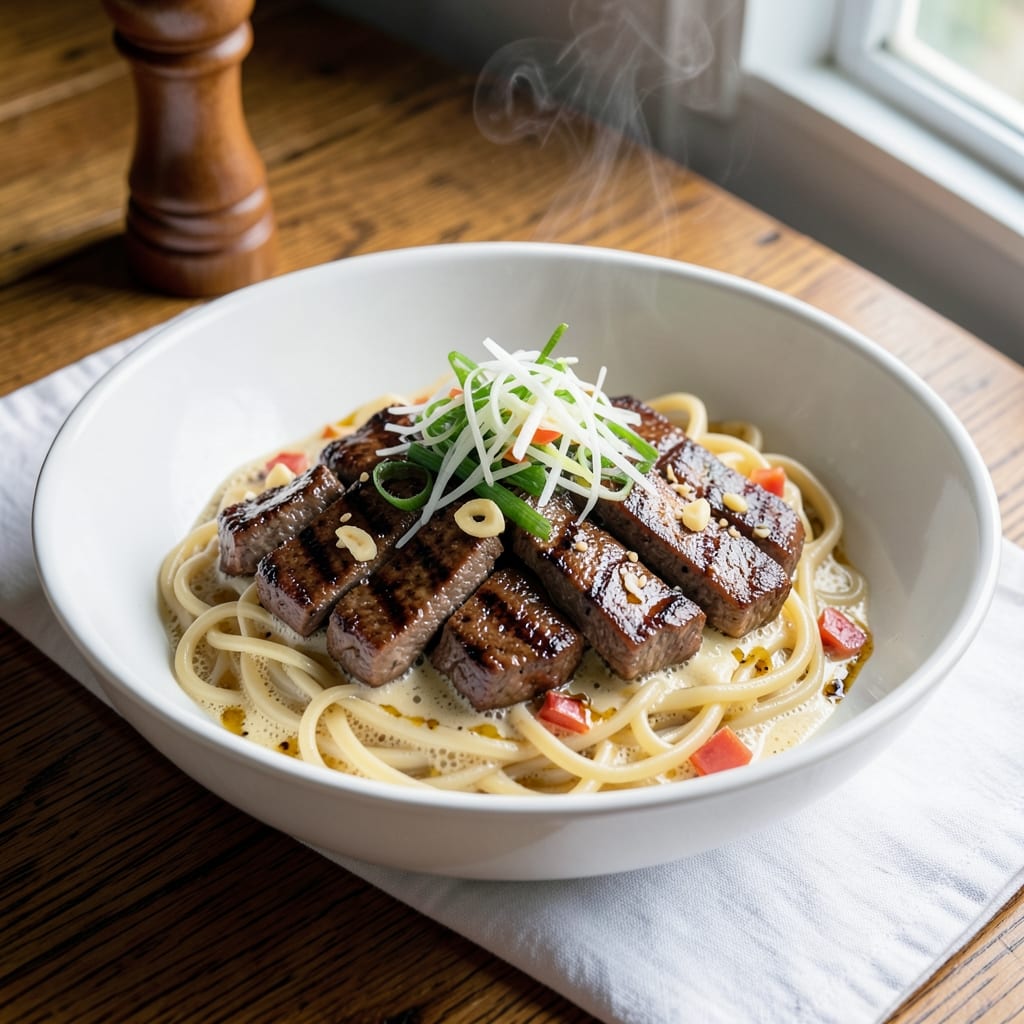
This beef and butter noodles recipe delivers restaurant-quality results with a perfect balance of crispy beef and silky noodles in under 30 minutes. The secret lies in thinly slicing flank steak and searing it to golden perfection, then tossing it with rich butter and aromatic sauces. I developed this dish after years of testing different beef cuts and butter techniques—this version never fails to impress.
What sets this recipe apart is the combination of tender beef and velvety noodles, elevated by a simple yet flavorful sauce. Fresh egg noodles or udon absorb the butter and seasonings beautifully, creating a dish that's both comforting and elegant. The high-heat wok technique ensures the beef stays crispy while the noodles cook to al dente perfection.
By the time you're done, you'll have a plate of crispy beef with caramelized edges, silky noodles, and a sauce that's rich yet balanced. The aroma alone will have everyone at the table asking for seconds. This recipe is perfect for weeknight dinners or special occasions—it's simple enough for beginners but impressive enough for guests.
Pair it with steamed vegetables or a simple side salad for a complete meal. The versatility of this dish means you can customize it with your favorite sauces or garnishes. Let's get started on creating this crowd-pleasing favorite!
Ingredients for beef and butter noodles
Thinly sliced beef, buttery richness, and perfectly al dente noodles—this is your shortcut to wok-house flavor.
| Ingredient | Amount | Notes |
|---|---|---|
| Flank Steak 🥩 | 1 lb | Thinly sliced against grain |
| Fresh Egg Noodles 🍜 | 12 oz | Or udon noodles for variety |
| Unsalted Butter 🧈 | ½ cup | Cold, cubed for searing |
| Garlic Cloves 🧄 | 6 cloves | Minced, aromatic |
| Fresh Ginger 🌿 | 1 tbsp | Grated, zesty |
| Soy Sauce 🍶 | ¼ cup | Light or dark variety |
| Sesame Oil 🫒 | 1 tbsp | Toasted, aromatic |
| Vegetable Oil 🫒 | 2 tbsp | High smoke point |
| Green Onions 🧅 | ¼ cup | Thinly sliced, garnish |
| Diamond Crystal Kosher Salt 🧂 | 1 tsp | Fine grain preferred |
| Ground Black Pepper 🌶️ | ½ tsp | Freshly cracked |
| Toasted Sesame Seeds 🌾 | 1 tbsp | For garnish |
| Oyster Sauce 🍲 | 1 tbsp | For umami depth |
| Rice Vinegar 🍶 | 1 tbsp | Balances richness |
The flank steak is non-negotiable here—it's lean enough to sear quickly but tender when sliced thin. Ask your butcher to slice it against the grain if you can't do it yourself, or freeze it for 20 minutes before slicing for easier handling. I always grab mine from Whole Foods or Costco—look for cuts with good marbling. Fresh egg noodles are ideal, but udon noodles add a delightful chewiness. The unsalted butter should be cold when you cube it—this ensures maximum browning when searing. Grab the European-style butter from Trader Joe's if you want extra richness.
No flank steak? Sirloin or ribeye work in a pinch, but slice them thinner to compensate for the extra fat. The soy sauce can be swapped for coconut aminos if you're avoiding sodium, though you'll lose some depth. Fresh ginger loses potency fast—buy it in small amounts and keep it in the fridge. The sesame oil is for aroma, so use the toasted kind from Penzeys Spices—it's worth the splurge. If you're out of oyster sauce, mushroom sauce or hoisin sauce will work, though the flavor profile shifts slightly. The rice vinegar balances everything, so don't skip it—substitute with apple cider vinegar if needed.
The beef stays crispy for about 15 minutes after cooking, so assemble everything right before serving. Store leftovers in an airtight container with a paper towel pressed on top to keep the noodles from getting soggy—good for 3-4 days. Freeze portions in single-serving bags for up to 3 months. I always make a double batch because this tastes even better the next day once the flavors meld. The butter sauce can be reheated gently, just add a splash of water to prevent burning. Garnish with toasted sesame seeds right before serving—they add crunch and visual appeal.
Why You'll Love This Recipe
- No-Chop Nightmare: I swear by this recipe on days when I’d rather not stand at the counter for hours. Slice the flank steak thin? Sure, but you can totally get away with tearing it after a quick sear—no knife skills required. The butter and ginger do all the heavy lifting while you stir.
- Butter-Garlic Magic: That first bite of tender beef coated in browned butter and garlic? It’s the kind of flavor that makes you pause mid-chew. The ginger adds a bright kick, but it’s the rich, salty butter melting into the noodles that turns this into a dish you’ll reach for again.
- Lunchbox Hero: Between us, this is my secret weapon for packed lunches. Cook a big batch on Sunday, and you’ve got three days of satisfying meals with zero effort. The noodles hold up better than you’d think, and the beef stays juicy—no sad, dry leftovers here.
- Budget Meal Upgrade: Flank steak is affordable, and a pound goes a long way when you slice it right. Fresh egg noodles are cheap, and butter? Well, a little goes a long way when you’re browning it properly. It’s the kind of meal that feels fancy without breaking the bank.
Step-by-step instructions for wok-heated crispy beef with silky noodles
This method delivers restaurant-quality texture and flavor—crispy beef, silky noodles, and a rich butter sauce.
Prep the Flank Steak for Maximum Crispiness
Slice the 1 lb flank steak thinly against the grain into ¼-inch thick strips. The grain runs lengthwise, so look for those muscle fibers and cut perpendicular to them. This ensures tender bites that cook quickly and evenly in the wok.
In a small bowl, combine 1 tablespoon soy sauce, 1 tablespoon oyster sauce, and 1 tablespoon rice vinegar. Add the sliced steak and toss to coat evenly. Let it marinate for 15 minutes at room temperature—this helps tenderize the meat and infuse it with flavor. Don't skip this step; the acidity in the rice vinegar breaks down the proteins just enough to make the beef more tender.
Create the Butter Sauce Base
Heat a large wok or deep skillet over medium-high heat until it's smoking hot. Add 2 tablespoons vegetable oil and swirl to coat. Working in batches if needed, add the marinated steak strips and sear undisturbed for 1-2 minutes per side until deeply browned and crispy—this is where the magic happens. Remove the beef and set aside on a plate.
Reduce the heat to medium, then add ½ cup unsalted butter to the wok. Let it melt completely, then add 6 cloves minced garlic and 1 tablespoon grated fresh ginger. Sauté for 30 seconds until fragrant—you should smell that aromatic punch of garlic and ginger. This butter base will become the velvety sauce that coats your noodles perfectly.
Cook the Noodles Al Dente
While the butter sauce simmers, bring a large pot of water to a rolling boil and add 12 oz fresh egg noodles. Cook according to package instructions until al dente—about 2-3 minutes less than suggested. The noodles should have a slight bite to them. Reserve ½ cup pasta water before draining, then toss the noodles with 1 tablespoon sesame oil to prevent sticking and add a subtle nutty aroma.
Here's the thing—overcooked noodles become mushy when tossed with sauce. You want them firm enough to hold their shape while still being tender. Drain them completely before adding to the wok, but keep that reserved pasta water handy—it's your secret weapon for adjusting sauce consistency.
Combine Everything for Perfect Texture
Return the crispy beef to the wok with the butter sauce. Add the cooked noodles and toss everything together vigorously for 1-2 minutes over medium heat. The residual heat will finish cooking the beef slightly while warming through the noodles. If the sauce starts to look too thick, add 1-2 tablespoons of reserved pasta water to loosen it to a silky consistency.
Stir in ¼ cup thinly sliced green onions and 1 tablespoon toasted sesame seeds. Taste and adjust seasoning with 1 teaspoon kosher salt and ½ teaspoon black pepper if needed. The dish should be savory with a perfect balance of umami from the oyster sauce, brightness from the rice vinegar, and richness from the butter.
Serve Immediately with Crispy Perfection
Transfer the beef and butter noodles to serving plates right away. The contrast of crispy beef against the silky noodles is what makes this dish special. Garnish each serving with an extra sprinkle of toasted sesame seeds and green onions for color and freshness.
Serve immediately while the beef is still crispy and the noodles are hot. The sauce should coat every strand of noodle beautifully, with visible pockets of butter glistening throughout. This dish tastes even better the second day when the flavors meld together, but the texture contrast is best enjoyed fresh from the wok.
Pro Tips For Making Beef And Butter Noodles
- SEAR THE STEAK FAST: High heat is non-negotiable—get your pan screaming hot before adding the flank steak. I used to linger at medium-high, and the beef ended up gray and tough; crank it to max and move it around for 2-3 minutes per side, then let it rest. The crust forms in seconds, not minutes.
- SLICE GINGER THIN: No, "grating" doesn’t cut it—julienne that ginger into paper-thin matchsticks. Thick chunks sit like rocks, while thin slices melt into the butter and infuse every bite. Use a sharp knife and work parallel to the cutting board for clean strips.
- SALVAGE OVERCOOKED NOODLES: If your egg noodles turn mushy before the beef is done, drain them, toss with a splash of cold water, and cover with a damp towel. The steam will plump them back up in minutes—no one needs to see your noodle recovery fail.
- BUTTER IN STAGES: Don’t dump all the butter at once—add it in two batches. First, melt 2 tablespoons with the garlic and ginger to build flavor, then swirl in the rest at the end to coat the noodles. The first batch caramelizes slightly, while the second creates that luxurious, glossy finish. (Yes, even if you’re impatient like me.)
Common mistakes when making this recipe
Overcooking Noodles
This is the #1 mistake I see—mushy noodles ruin the dish's texture. Cook fresh egg noodles for 2-3 minutes less than package instructions suggest to keep them al dente. Overcooked noodles absorb too much sauce and lose their structure. I always test a piece by biting it—it should have a slight resistance. 🍜
Skipping Marinade Time
Rushing the 15-minute marinade for the beef means tougher, less flavorful strips. The acid in rice vinegar and soy sauce tenderizes the meat while infusing it with flavor. Don't skip this step—even 10 minutes makes a difference. I've tried it both ways, and the difference is noticeable.
Using Wrong Beef Cut
Flank steak is ideal for its lean texture and flavor, but substituting with thicker cuts like ribeye leads to chewy results. If you must use ribeye, slice it ⅛-inch thick instead of ¼-inch. The grain direction matters too—always slice against it for tender bites. I've learned this the hard way with tough, stringy beef!
Low Heat Searing
Medium-high heat is crucial for crispy beef—low heat steams instead of sears. Your wok should be smoking hot before adding oil. If you see steam instead of sizzle, your heat is too low. This is where the Maillard reaction happens, creating that delicious crust. Don't rush this step—patience pays off with crispy perfection. 🔥
Ignoring Pasta Water
Reserving ½ cup pasta water is non-negotiable for adjusting sauce consistency. Without it, the butter sauce becomes too thick and clumps. Add it gradually while tossing the noodles. I've had to start over twice when I forgot this crucial step—don't make the same mistake!
Overcrowding the Wok
Cooking all beef at once lowers the temperature and steams instead of sears. Work in single layers with space between strips. This ensures even browning and crispiness. I use a slotted spoon to transfer cooked beef to a plate while I finish the remaining batches. This keeps everything hot and ready to combine at the end. 💡
Nutrition facts
Frequently asked questions
Can I use ground beef instead of flank steak?
Ground beef works but will give you a completely different texture. For a similar result, use 80/20 ground chuck and form it into small patties. Sear them until browned and crispy on the outside, then proceed with the butter sauce as directed. The fat content helps create a richer sauce, but you'll lose the elegant slices of flank steak.
How do I make this dish vegan?
Swap the beef for mushroom strips (shiitake or portobello) or extra-firm tofu pressed and sliced thin. Use vegan butter and replace oyster sauce with vegan hoisin or soy sauce. For extra richness, add 1 tablespoon nutritional yeast to the sauce. The texture will differ, but the buttery noodle base remains delicious.
Can I make this ahead of time?
Yes, but with a few adjustments. Cook the noodles and beef separately, then store in an airtight container with a paper towel between layers to prevent sogginess. Reheat gently in a skillet with a splash of water or butter to restore crispiness. The beef stays best when reheated fresh—it loses crispiness after 24 hours. The sauce can be made ahead and reheated separately.
What's the best way to slice flank steak?
Freeze the steak for 20 minutes first to make slicing easier, then slice against the grain into ¼-inch thick strips. Use a sharp knife and cut perpendicular to the muscle fibers (they look like lines on the surface). For extra tenderness, pound the meat lightly with a meat mallet before slicing. The grain direction is crucial—cutting with it results in chewy meat.
How can I make this dish spicier?
Add ½ teaspoon red pepper flakes to the butter sauce or stir in 1 tablespoon sriracha after combining everything. For heat with depth, mix 1 teaspoon gochujang (Korean chili paste) into the marinade. Start with small amounts—you can always add more, but you can't take it out! Balance the heat with extra rice vinegar if needed.