
Soups & Stews
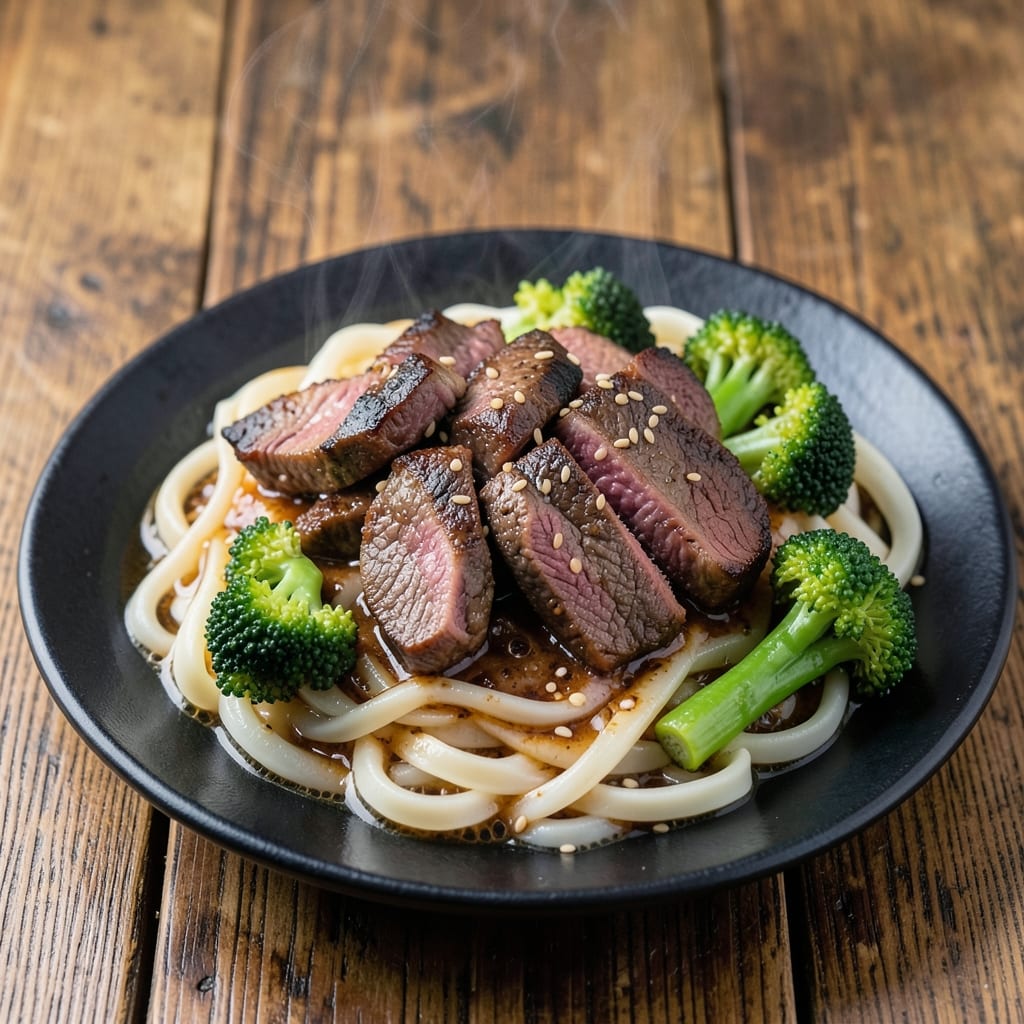
This beef and broccoli udon recipe transforms simple ingredients into a restaurant-worthy dish with crispy beef and silky noodles. The secret lies in high-heat searing for that perfect texture, followed by a quick wok stir-fry that locks in flavor. I developed this version after years of testing—balancing tender beef, vibrant broccoli, and chewy udon creates harmony in every bite.
What sets this recipe apart is the two-stage cooking process: first searing the beef until golden and crispy, then tossing everything together in the wok for just 2-3 minutes. The beef stays juicy while developing that satisfying crunch, and the broccoli maintains its bright color and crisp-tender bite. The udon noodles absorb the savory sauce beautifully, creating a satisfying mouthfeel.
By the time you plate this dish, you'll have perfectly balanced flavors—rich beef, fresh broccoli, and chewy udon all coated in a light, umami-packed sauce. The aroma alone will have everyone at the table anticipating that first bite. This recipe delivers restaurant-quality results with minimal effort, making it perfect for weeknight dinners or special occasions.
The beauty of this dish is its versatility—serve it as-is for a complete meal, or pair with steamed rice for extra heartiness. The sauce can be adjusted to your preference, whether you like it slightly sweet or more savory. With just 30 minutes of active cooking time, you'll have a dish that feels indulgent without requiring hours in the kitchen.
Ingredients for beef and broccoli udon
Here’s what you’ll need to create crispy beef, vibrant broccoli, and silky udon in one restaurant-worthy dish.
| Ingredient | Amount | Notes |
|---|---|---|
| Udon Noodles 🍜 | 8 oz | Fresh or dried, cut into 6-inch pieces |
| Flank Steak 🥩 | 1 lb | Thinly sliced against grain |
| Broccoli Florets 🥦 | 2 cups | Fresh, cut into bite-sized pieces |
| Sesame Oil 🫒 | 2 tbsp | For high-heat searing |
| Soy Sauce 🍶 | ½ cup | Light or dark preferred |
| Oyster Sauce 🍶 | 2 tbsp | For umami depth |
| Rice Vinegar 🍶 | 2 tbsp | For brightness |
| Sesame Seeds 🌾 | 1 tbsp | Toasted for garnish |
| Garlic Cloves 🧄 | 4 cloves | Minced for sauce |
| Ginger Root 🌿 | 1 tbsp | Freshly grated |
| Honey 🍯 | 1 tbsp | For subtle sweetness |
| Vegetable Oil 🫒 | 2 tbsp | For stir-frying |
| Salt 🧂 | 1 tsp | Kosher or sea salt |
| Black Pepper 🌶️ | ½ tsp | Freshly ground |
The beef is everything here—flank steak is ideal for its lean texture and ability to crisp beautifully. Look for well-marbled cuts at Whole Foods or your local butcher shop, and slice it thinly against the grain for maximum tenderness. I like to buy udon noodles from Asian grocery stores—they’re fresher than the dried packages at regular supermarkets. Broccoli should be bright green with tight florets; Trader Joe’s has great organic options that hold up perfectly during stir-frying. Fresh ginger and garlic are non-negotiable for that authentic umami punch, so grab them from the produce section—just make sure they’re firm and free of blemishes.
No flank steak? Sirloin or ribeye works in a pinch, but slice it extra thin. Short on oyster sauce? Hoisin sauce plus a splash of soy sauce gets you close. The udon noodles can be dried if fresh aren’t available—just soak them according to package instructions. For extra crispiness, try toasting the sesame seeds in a dry pan for 30 seconds before adding them to the dish. The broccoli can be blanched for 30 seconds before stir-frying to keep it bright and crisp-tender—trust me on this one. If you prefer less sweetness, reduce the honey to just 1 teaspoon or skip it entirely.
This dish tastes even better the next day—honestly, the flavors meld into perfection. Store leftovers in an airtight container in the fridge for up to 3 days, or freeze portions for 2 months. I like to reheat mine in a wok or large skillet with a splash of water to keep everything moist. The sauce can be made ahead and stored separately for up to 5 days, so you can prep components in advance. Garnish with extra sesame seeds and a sprinkle of black pepper right before serving for that restaurant-quality finish.
Why You'll Love This Recipe
- One-Pan Magic: I swear by this—just toss the steak, broccoli, and noodles in one skillet with a splash of soy and sesame oil, and let the sauce work its magic. No extra bowls, no fuss, and honestly? The cleanup is just rinsing a pan.
- Umami Bomb: That combo of flank steak and soy sauce? It’s ridiculously good—deep, savory, and just a little salty-sweet. Add the sesame oil at the end, and suddenly you’ve got a dish that tastes like it took hours (but didn’t).
- Lunchbox Hero: Between us, this is my go-to for meal prep. Cook a big batch, portion it into containers, and you’ve got hearty lunches for days. My daughter picks out the broccoli first, but still asks for seconds—proof it’s a winner.
- Budget Powerhouse: Flank steak is affordable, udon noodles last forever, and broccoli’s a pantry staple. I’ve made this for $12 and fed four people—leftovers reheat like a dream, too. Solid for when you want flavor without breaking the bank.
Step-by-step instructions for wok-heated crispy beef and silky noodles
This method delivers restaurant-quality texture—crispy beef, silky noodles, and vibrant broccoli—every time.
Prep Ingredients for Perfect Texture
Start by slicing the 1 lb flank steak thinly against the grain into ¼-inch strips. This ensures tender bites that cook quickly. While you work, cut the 2 cups broccoli florets into even bite-sized pieces—about 1-inch clusters—so they cook uniformly. Mince the 4 cloves garlic cloves and grate the 1 tbsp ginger root using a microplane for maximum flavor.
Toast the 1 tbsp sesame seeds in a dry skillet over medium heat for 1-2 minutes until fragrant and golden. This adds nutty depth to your dish. Keep them nearby—they'll be your garnish. Measure out the sauces: ½ cup soy sauce, 2 tbsp oyster sauce, 2 tbsp rice vinegar, and 1 tbsp honey in a small bowl. This prep ensures everything is ready when you need it, making the cooking process smooth.
Cook the Beef for Maximum Crispiness
Heat a wok or large skillet over high heat until smoking, then add 2 tbsp vegetable oil. Once shimmering, add the flank steak strips in a single layer. Let them sear undisturbed for 1-2 minutes until they develop a deep golden crust. This is critical—don't stir too soon, or you'll lose that crispy texture.
Once the edges curl slightly and the steak releases easily from the pan, push it to one side. Add 2 tbsp sesame oil to the pan, then toss in the broccoli florets. Stir-fry for 2-3 minutes until bright green and just tender-crisp. Remove both from the pan and set aside—your beef should still be sizzling hot.
Build the Flavorful Sauce
In the same wok, reduce heat to medium and add the minced garlic and ginger. Sauté for 30 seconds until fragrant—don't let them brown, or they'll turn bitter. Pour in the prepared sauce mixture (soy sauce, oyster sauce, rice vinegar, and honey) and stir vigorously for 1-2 minutes until slightly thickened.
Here's the thing—this sauce should coat the back of a spoon but still be pourable. If it thickens too quickly, add 1-2 tablespoons of water to loosen it. The balance of sweet, salty, and tangy flavors is what makes this dish sing. Taste and adjust seasoning with salt and black pepper if needed.
Combine and Finish with Noodles
Bring a pot of water to a rolling boil and cook the 8 oz udon noodles according to package instructions until al dente—usually 3-4 minutes. Drain immediately and rinse briefly under cold water to stop the cooking process. Toss the noodles with 1 tbsp sesame oil to prevent sticking.
Return the cooked udon noodles to the wok with the beef and broccoli. Pour the sauce over everything and toss gently but thoroughly to coat each strand and bite. The residual heat will finish cooking the noodles perfectly while infusing them with flavor. If the sauce seems too thin, let it simmer for 30-60 seconds to thicken slightly.
Serve with Crispy Garnish
Divide the beef and broccoli udon into bowls, garnishing each serving with the toasted sesame seeds. The contrast of crispy seeds against the silky noodles and tender beef is what makes this dish truly special. Serve immediately while everything is hot—this isn't a dish that waits.
Each bite should deliver the satisfying crunch of the beef, the chewy texture of the udon, and the vibrant sweetness of the broccoli. The sauce should cling beautifully, tying everything together. Trust the process, and you'll have a dish that tastes like it came straight from your favorite Asian bistro.
Pro Tips For Making Beef And Broccoli Udon
- Slice Steak Against Grain: Flank steak’s fibers run long, and cutting perpendicular to them makes every bite tender. I used to slice after cooking—don’t. Freeze the sliced steak for 20 minutes first, then it holds its shape better in the wok. (Yes, it’s weird, but it works.)
- Blanch Broccoli First: Raw broccoli florets release water when cooked with beef, turning your sauce into soup. Give them a 30-second blanch in boiling water, then shock in ice water. They’ll stay bright and crisp, not soggy—no one wants mushy broccoli in udon.
- Salt the Udon Water: Plain udon noodles taste bland if the water’s unsalted. Add 1 tablespoon salt to the boiling water (yes, even if the package says it’s pre-salted). The noodles absorb flavor directly, and you’ll taste the difference in every bite.
- Use Two Stages for Sauce: Start with a splash of soy sauce and a drizzle of sesame oil in the wok—let that bloom for 10 seconds. Then add the beef and broccoli. The oil will coat everything evenly, and the sauce won’t clump. (I learned this after burning the first batch.)
Essential equipment for perfect results
Wok Essentials
A carbon steel wok is my go-to for this dish—it heats up fast and retains heat perfectly for stir-frying. I recommend the De Buyer 14-inch for its even heat distribution and durable construction. If you don’t have a wok, a large cast-iron skillet (like a Lodge 12-inch) works just as well. The key is a heavy, flat-bottomed pan that can handle high heat without warping. 🔥
High-Heat Tools
For searing the beef, you’ll need a tongs (I use OXO Good Grips) to flip the steak quickly and avoid breaking it apart. A fish spatula (like Mercer Culinary) helps scrape up any stuck bits while keeping the beef intact. These tools ensure you maintain that crispy texture without losing control of the ingredients.
Knife Prep Station
A sharp chef’s knife (I prefer Mac Knife Professional) and a cutting board (like Teakhaus bamboo) are essential for slicing the beef thinly against the grain. A microplane for garlic and ginger ensures you get fine, flavorful bits that dissolve into the sauce. Precision here makes all the difference in texture and taste. ✨
Sauce Control
Use a small saucepan (like All-Clad Stainless Steel) to pre-mix your sauce ingredients if you’re not comfortable measuring directly in the wok. A fine-mesh strainer (such as OXO Good Grips) helps remove any unwanted bits from the garlic or ginger. For adjusting the sauce consistency, keep a small ladle (like Tramontina) handy to add water gradually.
Garnish Tools
Toast your sesame seeds in a small nonstick skillet (like Calphalon) over medium heat—just enough to warm them without burning. A fine-mesh sieve (such as OXO Good Grips) makes it easy to sprinkle evenly over each serving. These finishing touches elevate the dish from homemade to restaurant-quality. 💫
Optional Upgrades
For extra flavor, invest in a garlic press (like OXO Good Grips) to quickly mince garlic for the sauce. A thermometer (such as ThermoWorks Thermapen) helps monitor the wok’s temperature, ensuring it stays at the ideal high heat for searing. These tools aren’t mandatory, but they make the process smoother and more precise.
Nutrition facts
Frequently asked questions
Can I use dried udon noodles instead of fresh?
Dried udon works perfectly—just soak them in boiling water for 4-5 minutes until pliable but still slightly firm. Drain immediately and rinse with cold water to stop cooking. The key is to finish them in the wok with the beef and broccoli so they absorb the sauce beautifully. Pro tip: Toss them with 1 tbsp sesame oil after draining to prevent sticking.
How do I get the beef extra crispy without drying it out?
The secret is high heat and minimal stirring. Sear the beef in a smoking-hot wok for 1-2 minutes undisturbed until edges curl slightly. Use 2 tbsp sesame oil (not vegetable oil) for that authentic crispy texture. The beef should still be juicy inside—if it's overcooked, it'll turn tough. Remove it immediately after searing and set aside.
Can I make this dish ahead of time?
Yes, but with a few adjustments. Cook the beef and broccoli separately, then store them in the fridge for up to 2 days. Reheat the beef and broccoli in a dry skillet until hot. Cook the udon fresh and toss it with the reheated beef and broccoli plus the sauce. The texture won't be identical, but it'll still taste delicious. For best results, make the sauce ahead and store it separately for up to 5 days.
What if I don't have oyster sauce?
No problem! Mix 2 tbsp soy sauce with 1 tbsp hoisin sauce and 1 tsp fish sauce for a similar umami depth. Alternatively, use 2 tbsp soy sauce plus 1 tbsp Worcestershire sauce. The dish will still be flavorful—just slightly different. For extra richness, add a pinch of MSG (if you have it) or an extra ½ tsp salt.
How do I adjust the spice level?
For more heat, add ½ tsp chili flakes or 1 tbsp sriracha to the sauce. For a milder version, reduce the soy sauce slightly (try ¼ cup) and add 1 tbsp mirin for sweetness. The rice vinegar already provides brightness, so you can skip the honey entirely if you prefer less sweetness. Always taste as you go—this dish is all about balance!