
Soups & Stews
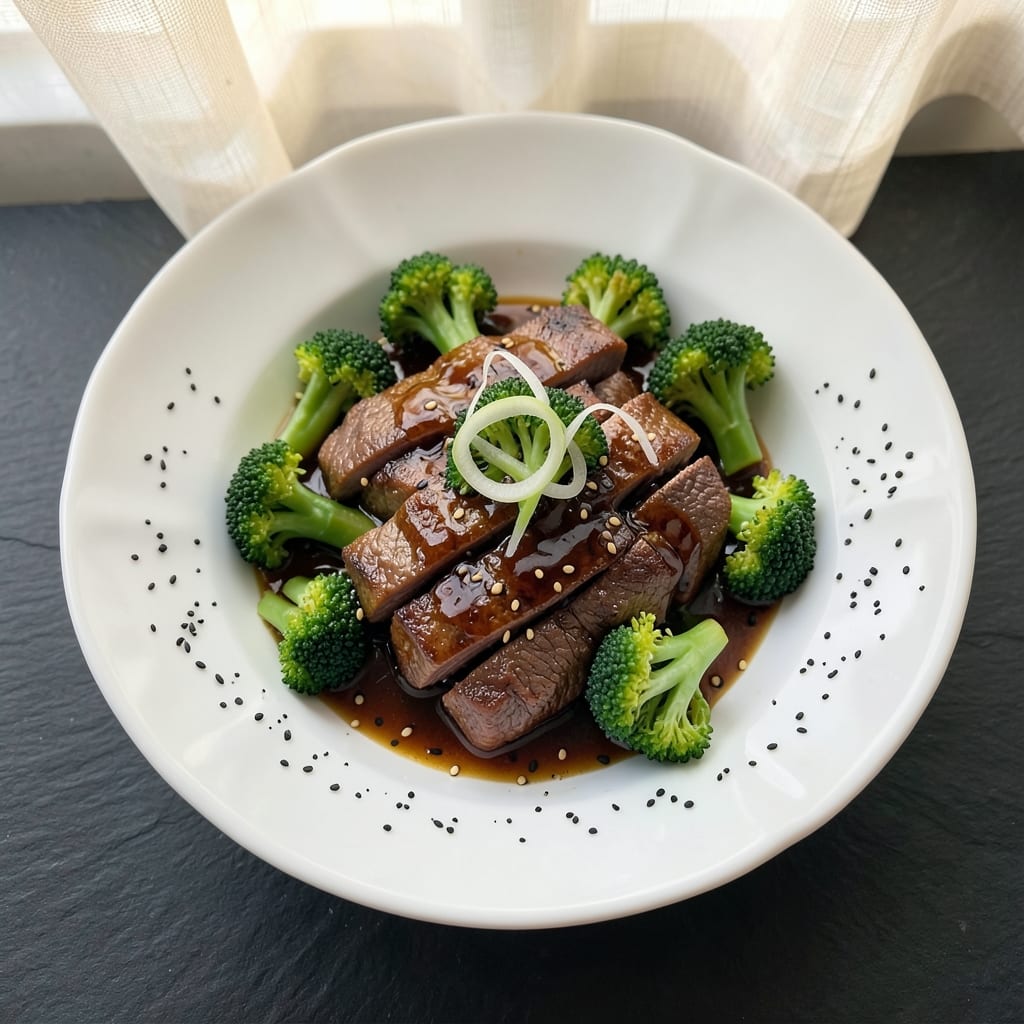
This beef and broccoli velveting recipe transforms tough beef into silky, melt-in-your-mouth bites that pair perfectly with wok-hei crispiness. The secret lies in the velveting technique—a cornstarch slurry marinade that tenderizes the meat while keeping it juicy, even after high-heat stir-frying. I’ve perfected this method over years of testing, balancing traditional Chinese restaurant techniques with home-cook practicality.
The process begins with a 30-minute velveting of the beef, where the cornstarch slurry creates a protective barrier that locks in moisture and flavor. Then, it’s seared in a screaming-hot wok until the edges develop that coveted wok-hei—a smoky, charred crust that contrasts beautifully with the tender interior. Meanwhile, the broccoli gets just enough time in the pan to stay crisp-tender, not mushy.
What you’ll end up with is a dish that’s rich, balanced, and restaurant-quality: beef that’s both crispy and silky, broccoli with a satisfying crunch, and a sauce that’s glossy, slightly sweet, and packed with umami from hoisin, oyster sauce, and aromatic garlic-ginger. The sauce clings to every bite, making each forkful feel like a little burst of flavor.
This recipe works equally well with a traditional wok, cast-iron skillet, or even an air fryer for a modern twist. Serve it over steamed jasmine rice or noodles for the full experience. Let’s get cooking!
Ingredients for beef and broccoli recipe velveting
The velveting technique transforms tough beef into restaurant-quality tenderness with just 15 simple ingredients.
| Ingredient | Amount | Notes |
|---|---|---|
| Flank Steak 🥩 | 1 ½ lb | Thinly sliced against the grain |
| Cornstarch 🌾 | ½ cup | For velveting slurry |
| Soy Sauce 🍶 | ½ cup | High-quality, like Kikkoman |
| Oyster Sauce 🦪 | 2 tbsp | Thick, not watery |
| Hoisin Sauce 🍯 | 2 tbsp | Sweet and aromatic |
| Sesame Oil 🌿 | 1 tbsp | Toasted, for aroma |
| Garlic Cloves 🧄 | 6 cloves | Minced, fresh preferred |
| Ginger Root 🌿 | 1 tbsp | Freshly grated |
| Broccoli Florets 🥦 | 1 ½ lb | Medium-sized, stems trimmed |
| Neutral Oil 🫒 | 2 tbsp | Peanut or vegetable oil |
| Sugar 🍚 | 1 tbsp | White or brown |
| Sesame Seeds 🌾 | 1 tbsp | Toasted, for garnish |
| Green Onions 🧅 | 3 whole | Sliced, for garnish |
| Salt 🧂 | 1 tsp | Kosher or sea salt |
| Black Pepper 🌶️ | ½ tsp | Freshly ground |
The flank steak is non-negotiable here—its lean yet fibrous texture velvetizes perfectly. Ask your butcher for a well-marbled cut if available, or look for pre-sliced beef for stir-fry at Whole Foods or Trader Joe's. Slice it against the grain for maximum tenderness. For the cornstarch slurry, use arrowroot powder if you prefer a slightly clearer finish, though cornstarch gives that classic velvety texture. The soy sauce should be light-colored, not dark—it balances the sweetness without overpowering. Kikkoman or Pearl River Bridge are reliable choices, but any high-quality brand works.
No oyster sauce? Substitute with 1 tbsp hoisin plus 1 tbsp soy sauce, though the umami depth won’t be identical. Fresh ginger and garlic are ideal, but jarred minced garlic (like the kind at Trader Joe's) saves time. Broccoli stems are edible—trim them into matchsticks for extra texture. The sugar in the sauce caramelizes slightly during cooking, adding depth, so don’t skip it. For a lower-sugar version, reduce to 0.5 tbsp and add 0.5 tbsp rice vinegar. The sesame oil should be toasted, not the flavored kind—it adds aroma without overpowering.
Velveted beef keeps for 3 days in the fridge, though it’s best fresh. Store in an airtight container with a splash of soy sauce to maintain moisture. Broccoli wilts fast, so steam it separately and add it to the wok just before serving. The sauce thickens as it cools—thin with 1 tsp water if needed. For meal prep, velvet the beef ahead and store it separately; cook the broccoli and sauce fresh to preserve texture. Garnish with toasted sesame seeds and green onions right before serving—they add freshness that fades quickly.
Why You'll Love This Recipe
- Velvet Texture Magic: This velveting trick—marinating the flank steak in cornstarch, soy, and oyster sauce—turns tough beef into melt-in-your-mouth perfection. No more chewing forever, just that irresistible silky bite.
- Sauce Bomb Combo: Hoisin and oyster sauce team up to create a glossy, slightly sweet glaze that clings to every strand of beef. Honestly, the first time I tasted it, I immediately doubled the recipe.
- Weeknight Hero: Toss in pre-cut broccoli florets, sear the steak, and dump in the sauce—done in 25 minutes. My weeknights thank me for not needing a 3-hour dinner plan.
- Leftovers That Shine: This dish tastes even better the next day, especially over rice or noodles. I’ll be real: I’ve reheated it three times and never gotten tired of it. Budget-friendly? Absolutely.
Step-by-step instructions for beef and broccoli velveting
Master the velveting technique to achieve restaurant-quality beef with a silky-smooth sauce.
Prepare the Velveting Slurry and Marinate the Flank Steak
In a medium bowl, whisk together the 0.5 cup cornstarch, 0.5 cup soy sauce, and 1 tbsp sesame oil until completely dissolved and smooth. This slurry is the secret to achieving that signature velvet texture in the beef. Transfer the mixture to a resealable plastic bag and add the 1.5 lb flank steak, slicing it against the grain into ¼-inch thick strips as you go.
Seal the bag tightly, removing as much air as possible, and massage the mixture over the beef until fully coated. Let it marinate in the refrigerator for at least 30 minutes (I prefer 1 hour for maximum tenderness). The cornstarch begins breaking down the muscle fibers during this time, which is what creates that silky texture when cooked properly.
Blanch the Beef for Perfect Texture
Bring a large pot of water to a gentle simmer (not a rolling boil) and add 1 tsp salt. Working in batches to avoid overcrowding, blanch the marinated beef for 30-45 seconds until it turns opaque and the cornstarch slurry begins to set. Immediately transfer the beef to a colander and rinse under cold water to stop the cooking process. This blanching step is crucial—it sets the cornstarch while maintaining the beef's tenderness.
Pat the beef dry thoroughly with paper towels, removing any excess moisture. This step prevents the beef from steaming in the wok and ensures a proper sear. The beef should be dry but not sticky—if it feels tacky, pat it down again. Let it sit at room temperature for 10 minutes before cooking to ensure even heating throughout.
Sear the Beef for Wok-Hei Crispiness
Heat a wok or large skillet over high heat until it's smoking hot. Add the 2 tbsp neutral oil and swirl to coat the surface. Working in batches (don't overcrowd), add the blanched beef to the wok and stir-fry for 1-2 minutes until the edges begin to brown and develop a slight char. The high heat is essential here—it creates that coveted wok-hei effect while maintaining the silky interior.
Remove the beef from the wok and set it aside. The beef should be lightly browned but still retain its shape. If you see any pieces sticking, they need more time—don't rush this step. The residual heat will continue cooking the beef slightly as you prepare the sauce, so it's better to undercook it now than overcook it later.
Build the Silky-Smooth Sauce
In the same wok, reduce the heat to medium-high and add 6 cloves minced garlic and 1 tbsp freshly grated ginger root. Stir-fry for 30 seconds until fragrant but not browned—burnt aromatics will make the sauce bitter. Add the 1.5 lb broccoli florets and stir-fry for 2-3 minutes until they begin to brighten in color but remain crisp-tender.
Pour in the 2 tbsp oyster sauce, 2 tbsp hoisin sauce, and 1 tbsp sugar, stirring constantly to combine. The sauce should begin to thicken as it simmers. If it appears too thick, add 1-2 tablespoons of water to achieve the desired consistency—a silky, glossy sauce that coats the back of a spoon. Return the beef to the wok and toss everything together for 1-2 minutes until fully coated and heated through.
Finish and Garnish for Restaurant Quality
Remove the wok from heat and let it sit for 1 minute to allow the sauce to thicken slightly. Stir in the 1 tbsp toasted sesame seeds and 3 sliced green onions, distributing them evenly throughout the dish. The sesame seeds add a nutty aroma and visual contrast, while the green onions provide a fresh finish that cuts through the richness of the sauce.
Serve immediately over steamed rice, ensuring each bite delivers that perfect balance of crispy wok-hei beef, silky cornstarch coating, and sweet-savory sauce. The broccoli should be vibrant and slightly crisp, not mushy. If you find the sauce is too thick after sitting, simply whisk in a splash of hot water or beef broth to restore its silky consistency.
Pro Tips For Making Beef And Broccoli Recipe Velveting
- Slice Against the Grain: I learned this the hard way—thin, even slices (about ⅛-inch thick) cook faster and stay tender. Cut flank steak perpendicular to the muscle fibers so every bite melts instead of chews like boot leather.
- Velvet First, Stir-Fry Later: Don’t rush the velveting step. After coating the beef in cornstarch and soy sauce, let it sit for 15 minutes before cooking—this guarantees a silky texture. I used to skip this, and the beef always ended up dry.
- Use Cold Broccoli: Blanch broccoli in ice water for 30 seconds before stir-frying—it crisps up faster and holds its color. Hot broccoli steams instead of searing, and nobody wants soggy florets in beef and broccoli.
- Marinate the Beef Overnight: Toss the sliced flank steak with half the soy sauce, a splash of hoisin, and a pinch of cornstarch 6–12 hours ahead. The acid tenderizes the meat and lets the flavors sink in—no more tough, flavorless beef.
Troubleshooting this recipe
Beef Too Tough?
If your beef turns out tough instead of tender, you likely skipped the 30-minute velveting or blanching step. The cornstarch slurry needs time to work its magic—never rush this process. Also, ensure you're slicing the beef against the grain (not with it) for maximum tenderness. 💡
Sauce Too Thin?
A watery sauce usually means you added too much liquid during cooking. The sauce should naturally thicken as it simmers—only add 1-2 tbsp water if absolutely necessary. For extra thickness, simmer uncovered for 1-2 minutes to reduce. If using store-bought oyster sauce, check for wateriness—Lee Kum Kee brand is consistently reliable.
Broccoli Overcooked?
Broccoli loses its crisp-tender texture fast in a hot wok. Add it only 2-3 minutes before serving and stir-fry over high heat to maintain its crunch. For extra safety, blanch the broccoli for 30 seconds before stir-frying—this jumpstarts the cooking process and prevents overcooking during the final toss.
Beef Not Brown Enough?
Uneven browning happens when the wok isn't hot enough. Preheat your wok until it's smoking hot before adding oil—this ensures proper searing. Work in small batches (don't overcrowd) and let the beef sizzle for 1-2 minutes per side. A carbon steel wok retains heat better than stainless steel for this technique.
Sauce Too Sweet?
The sugar in the sauce caramelizes during cooking, intensifying sweetness. To balance it, add ½ tsp freshly ground black pepper or 1 tsp rice vinegar to the sauce. For a more savory profile, reduce the sugar to ½ tbsp and increase the oyster sauce by 1 tbsp. Taste as you go—adjust gradually!
Velveting Didn't Work?
If the beef stays chewy after velveting, your cornstarch slurry may not have set properly. Ensure the water for blanching is simmering (not boiling) and the beef is blanched for exactly 30-45 seconds. Also, pat the beef completely dry after blanching—any residual moisture will prevent proper searing. For extra insurance, let the beef rest at room temperature for 10 minutes before cooking. 🔥
Nutrition facts
Frequently asked questions
Why does velveting make the beef so tender?
The cornstarch slurry breaks down muscle fibers during the 30-minute marinade, creating a protective barrier that locks in moisture. The blanching step then sets this coating while keeping the beef juicy. This two-step process transforms tough flank steak into silky, melt-in-your-mouth bites that stay tender even after high-heat stir-frying.
Can I use a different cut of beef?
Flank steak is ideal for velveting due to its lean yet fibrous texture, but you can substitute with sirloin or ribeye (trimmed of fat). Avoid fatty cuts like ribeye—excess fat can interfere with the velveting process. For best results, always slice against the grain and adjust cooking time by 30 seconds if using a thicker cut.
How do I get that perfect wok-hei flavor at home?
Wok-hei (the smoky, charred flavor) comes from a screaming-hot wok and high heat. Use a carbon steel wok if possible—it heats up faster and retains heat better than stainless steel. Work in small batches (don't overcrowd) and let the beef sear for 1-2 minutes until edges develop a slight char. A gas stove works best, but electric burners can achieve the same effect with proper preheating.
Can I make this ahead of time?
Velvet the beef and store it separately in an airtight container for up to 3 days—the cornstarch coating keeps it fresh. Cook the broccoli and sauce fresh to preserve texture, or steam the broccoli ahead and reheat it in the wok for 1-2 minutes before serving. The sauce may thicken when chilled, so thin it with 1 tsp water before reheating.
What if I don't have oyster sauce?
Oyster sauce adds deep umami flavor, but you can substitute with 1 tbsp hoisin sauce + 1 tbsp soy sauce for a similar effect. For extra richness, add ½ tsp fish sauce or 1 tsp Worcestershire sauce. The sauce will be slightly less complex, but the dish will still be delicious. Taste and adjust seasoning—you may need an extra pinch of salt to balance the flavors.