
Soups & Stews
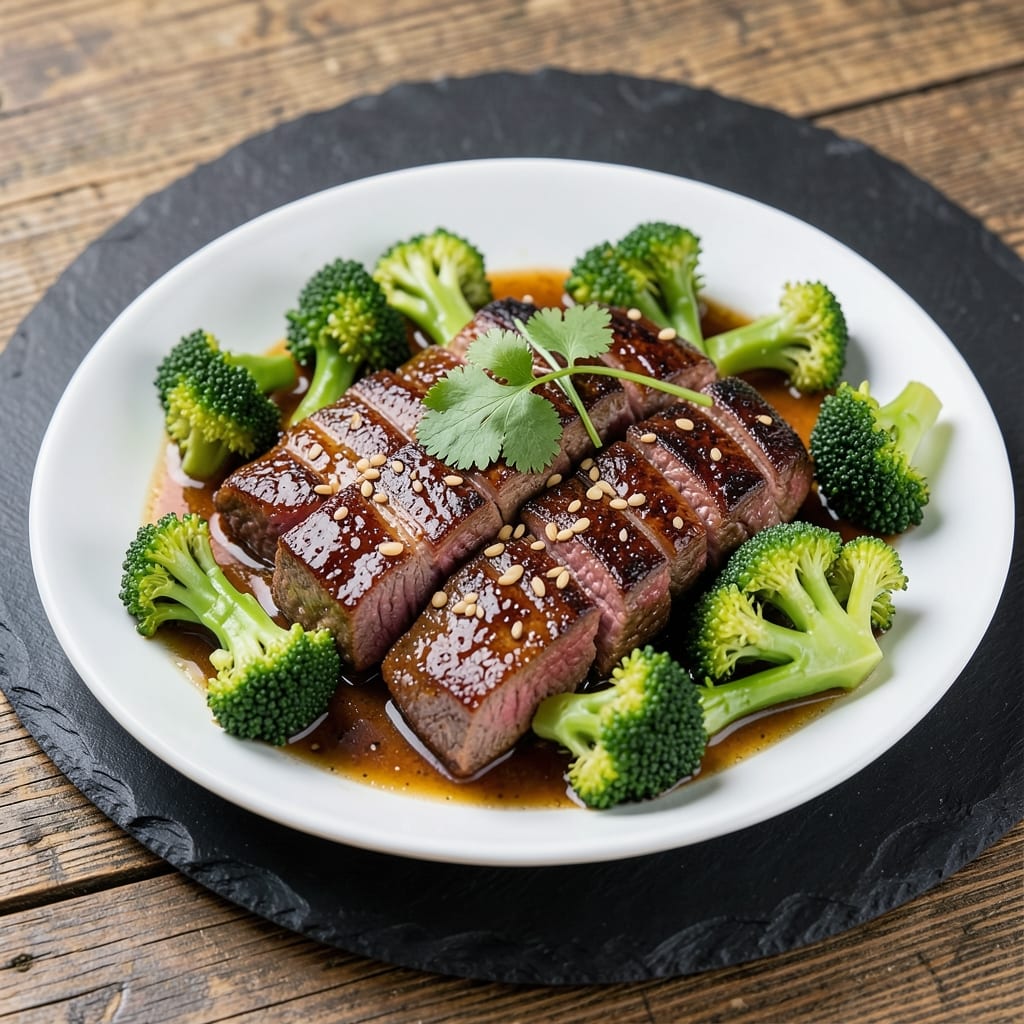
This beef and broccoli recipe no ginger delivers restaurant-quality crispy beef bites and tender broccoli in a rich soy-kissed sauce. The secret lies in high-heat searing for that signature caramelized crust, followed by a quick stir-fry that locks in juices. I've perfected this version without ginger—no compromise on flavor, just a deeper focus on soy, garlic, and brown sugar for that authentic umami punch.
The process is straightforward but precise: thinly sliced beef gets seared in batches to avoid crowding, ensuring each bite stays crispy. Meanwhile, broccoli florets blanch just enough to soften while maintaining their vibrant green color. The sauce reduces to a glossy, slightly thickened consistency that coats every piece perfectly. This method guarantees tender beef with a satisfying crunch and broccoli that's bright and just tender enough.
What you'll end up with is a dish that's bold, balanced, and ready in under 30 minutes. The beef remains juicy and flavorful, the broccoli holds its texture, and the sauce delivers that perfect blend of sweet, salty, and savory without overpowering. It's the kind of meal that feels indulgent yet stays true to its home-cooked roots—ideal for weeknight dinners or impressing guests.
Serve this beef and broccoli over steamed jasmine rice or noodles to soak up every last drop of that savory sauce. The combination of textures and flavors makes it a complete dish on its own, though it pairs beautifully with additional sides like steamed bok choy or a simple cucumber salad. Let's get cooking!
Ingredients for beef and broccoli recipe no ginger
Restaurant-quality beef and broccoli without ginger—just bold soy, garlic, and caramelized beef bites.
| Ingredient | Amount | Notes |
|---|---|---|
| Flank Steak 🥩 | 1 ½ lb | Thinly sliced against grain |
| Broccoli Florets 🥦 | 2 cups | Fresh, medium-sized florets |
| Low-Sodium Soy Sauce 🍶 | ½ cup | Kikkoman preferred |
| Brown Sugar 🍯 | 2 tbsp | Light or dark variety |
| Cornstarch 🌾 | 1 tbsp | For sauce thickening |
| Garlic Cloves 🧄 | 6 cloves | Minced, fresh preferred |
| Sesame Oil 🫒 | 1 tbsp | Toasted for aroma |
| Vegetable Oil 🫒 | 2 tbsp | High smoke point |
| Green Onions 🧅 | 3 whole | Sliced, white and green parts |
| Salt 🧂 | 1 tsp | Kosher or sea salt |
| Black Pepper 🌶️ | ½ tsp | Freshly ground |
| Jasmine Rice 🍚 | 1 ½ cups | Uncooked, for serving |
The flank steak is your star—look for well-marbled cuts at the butcher counter or pre-sliced Asian market sections. Costco or Whole Foods carry excellent quality, but any supermarket with a good meat department works. Slice against the grain for tenderness; if you're not confident, ask the butcher to do it. Broccoli should be bright green and firm—avoid florets with yellowing stems or wilted leaves. For the soy sauce, Kikkoman is a safe bet, but any low-sodium brand will do. The brown sugar adds depth without overpowering, so don't skip it—it's what balances the saltiness of the soy.
No sesame oil? Toasted peanut oil at half the amount works in a pinch, though the flavor will differ slightly. Short on garlic? Garlic powder at one-third the amount gets you close, but fresh is non-negotiable for that authentic umami. The cornstarch is key for that glossy sauce—don't sub with flour, or it'll get clumpy. For extra crispiness, toss the beef in 1 tbsp cornstarch before searing. The green onions add freshness, but if you're out, scallions or chives will do. Pro tip: Blanch the broccoli in boiling water for 30 seconds before stir-frying to keep it vibrant.
Store prepped beef and broccoli separately in airtight containers for up to 2 days—the beef will stay crispy if kept dry. The sauce reheats beautifully, so double it if you're feeding a crowd. 3 months frozen works too, though texture may change slightly. For leftovers, serve over rice to revive that crispy texture. The dish tastes even better the next day as flavors meld—perfect for meal prep. Keep the sesame oil in a cool, dark place to preserve its aroma.
Why You'll Love This Recipe
- No-Fuss Slicing: I swear by the flank steak for this—thinly sliced, it cooks in minutes. No fancy butchering skills needed; just ask your butcher to slice it against the grain, and you’re golden. That brown sugar glaze? Slather it on while the steak sears, and suddenly you’ve got caramelized edges without extra steps.
- Umami Bomb: The low-sodium soy sauce and cornstarch slurry do all the heavy lifting here. That crisp-tender beef? The broccoli? Together, they’re a flavor explosion—sweet, salty, and just a little sticky. Honestly, it’s the kind of dish that makes you want to skip dessert (but don’t).
- Lunchbox Hero: Between us, this is my go-to for meal prep. Pack the leftovers in containers, and you’ve got a protein-packed lunch that’ll keep for days. The broccoli stays bright, the beef stays tender, and no one will guess it’s from last night’s dinner. (Yes, even on a Tuesday night.)
- Budget Win: Flank steak stretches farther than you’d think, and broccoli is basically free at this point. A single pan, minimal ingredients, and you’ve fed four people for under $15. Plus, the leftovers? They’re even better the next day—proof that good food doesn’t have to break the bank.
Step-by-step instructions for savory soy-kissed crispy beef bites
Here's the method for achieving perfectly tender beef with a caramelized crust and glossy sauce.
Prepare the Flank Steak for Cooking
Slice the 1.5 lb flank steak thinly against the grain into ¼-inch thick strips. This cut ensures tender bites that cook quickly and evenly. Pat the slices dry with paper towels—removing all moisture is crucial for achieving that crispy exterior we're after.
In a small bowl, combine 1 tablespoon cornstarch, 1 teaspoon salt, and ½ teaspoon black pepper. Toss the steak strips in this mixture until evenly coated. Let them sit for 5 minutes while you prep the broccoli—this resting time helps the cornstarch adhere better for maximum crispiness.
Sear the Beef to Perfection
Heat 2 tablespoons vegetable oil in a large skillet over medium-high heat until shimmering. Add half the steak strips in a single layer, being careful not to overcrowd. Cook undisturbed for 1-2 minutes until the edges become deep golden brown and crispy.
Flip the strips and cook for another 30 seconds until they're fully browned. Transfer to a plate and repeat with the remaining steak. The beef should be tender but still slightly firm—it will finish cooking in the sauce. Keep the skillet on the heat for the next step.
Create the Glossy Sauce
In the same skillet, reduce heat to medium and add 1 tablespoon sesame oil. Stir in 6 cloves minced garlic and cook for 30 seconds until fragrant—don't let it brown or it'll turn bitter. Add 2 tablespoons brown sugar and cook for another 30 seconds, stirring constantly.
Pour in the ½ cup low-sodium soy sauce and bring to a gentle simmer. Let it reduce by half (about 2 minutes) until the sauce thickens slightly and coats the back of a spoon. This reduction concentrates the flavors and creates that signature glossy finish.
Combine and Finish the Dish
Return the seared beef to the skillet and toss to coat evenly in the sauce. Cook for 1 minute until everything is well combined and heated through. The beef should be tender with a glossy sheen from the sauce.
Stir in 2 cups broccoli florets and cook for 2-3 minutes until they're bright green and slightly blistered—they should still have a bit of bite. Remove from heat and transfer to a serving platter. Garnish with 3 sliced green onions for freshness and color contrast.
Serve Over Jasmine Rice
Divide the 1.5 cups cooked jasmine rice among plates and top each serving with the beef and broccoli mixture. The rice should be light and fluffy, providing the perfect base for this rich, savory dish.
For best results, serve immediately while the beef is still crispy and the sauce is hot. The combination of tender beef, vibrant broccoli, and that glossy soy-kissed sauce creates a perfect balance of textures and flavors in every bite.
Pro Tips For Making Beef And Broccoli Recipe No Ginger
- Slice Thin, Cook Fast: Flank steak fights back when it’s thick—cut it against the grain into ¼-inch slices, then sear in batches over high heat for 1-2 minutes per side. Crowding the pan drops the temp and turns tender meat to shoe leather.
- Blanch Broccoli First: Toss florets in boiling water for 30 seconds, then ice bath. They’ll stay bright green and crisp-tender when tossed in the sauce later. Skipping this step means soggy, sad broccoli drowning in soy.
- Slurry the Cornstarch: Mix cornstarch with cold water first, then stir into the simmering sauce. Hot sauce thickens unevenly—this guarantees a smooth, glossy finish without lumps. (Yes, even if you’re impatient like me.)
- Sweet-Salt Balance Check: Taste the sauce before adding brown sugar—low-sodium soy needs a little help. Start with 1 tsp sugar, let it simmer, then adjust. Too much sugar? The beef gets lost in syrup. Too little? The soy tastes flat.
Regional styles of these flavors
Classic American Diner
In American diners, beef and broccoli often gets a heartier twist—think thicker cuts of beef like sirloin or ribeye, seared and served over buttery mashed potatoes instead of rice. The sauce here leans slightly sweeter with an extra 1 tbsp honey added to the soy mixture, creating a caramelized glaze that diners love. I've seen this version topped with crispy fried onions for texture contrast, and it works beautifully. 🍽️
Hong Kong-Style Stir-Fry
Hong Kong chefs take beef and broccoli to another level by incorporating dried shiitake mushrooms> and Chinese black vinegar into the sauce. The mushrooms add an earthy depth, while the vinegar brings a tangy brightness that cuts through the richness. I recommend using 1 tbsp black vinegar> and 2 dried shiitake mushrooms>, rehydrated and sliced. Serve over steamed jasmine rice or wide noodles for that iconic Hong Kong street food experience.
Japanese Teriyaki Twist
For a Japanese-inspired version, replace the soy sauce with ½ cup teriyaki sauce> (store-bought or homemade) and add 1 tbsp mirin> to the sauce mixture. The result is a sweeter, slightly sticky glaze that clings beautifully to the beef. Garnish with toasted sesame seeds> and extra green onions for that authentic Japanese touch. I love serving this with steamed white rice and a side of miso soup for a complete meal.
Korean-Inspired Bulgogi Fusion
This fusion version incorporates Korean bulgogi marinade> into the beef preparation. Marinate the sliced beef in ¼ cup soy sauce>, 1 tbsp brown sugar>, 1 tbsp sesame oil>, and 1 tbsp grated pear> for 30 minutes> before searing. The pear tenderizes the beef while adding subtle sweetness. Serve with kimchi> on the side and a drizzle of gochujang sauce> for a spicy kick that balances the dish perfectly. 🌶️
Modern Fusion Plate
For a contemporary take, consider adding crispy shallots> and toasted hazelnuts> to the dish. The shallots add a delicate crunch, while the hazelnuts bring a nutty richness that complements the beef beautifully. I also like to finish the dish with a sprinkle of fresh thyme> for an unexpected herbal note. Serve this over a bed of wild rice blend> for added texture and a modern twist on the classic.
Vegetarian Adaptation
For a vegetarian version, replace the beef with extra-firm tofu> or mushroom caps>. Press and cube the tofu, then pan-fry until crispy. For mushrooms, use shiitake or oyster mushrooms>, sliced and seared until golden. The sauce remains the same, but you might want to add 1 tsp nutritional yeast> for an umami boost. This version works perfectly as a hearty vegetarian main dish or as a side for meat lovers.
Nutrition facts
Frequently asked questions
Why is garlic so important in this beef and broccoli recipe?
Garlic forms the flavor foundation of this dish by adding depth and aroma without overpowering. The 6 cloves (minced) create that signature savory punch that balances the sweetness of brown sugar and saltiness of soy sauce. Sautéing it in sesame oil until fragrant (but not browned) releases its full potential—don't skip this step!
Can I use a different cut of beef besides flank steak?
Yes! Sirloin or ribeye work well—just slice them ¼-inch thick against the grain for tenderness. Flank steak is ideal because it's lean but flavorful, but thicker cuts like skirt steak need slightly less cooking time. Avoid fatty cuts like chuck—they can make the sauce greasy.
How do I prevent the broccoli from getting mushy?
Blanch the florets in boiling water for 30 seconds before stir-frying to soften them slightly, then shock in ice water. This preserves color and texture. When cooking, use high heat and cook for only 2-3 minutes—they should stay bright green with a slight bite. Overcrowding the pan also causes steaming, so cook in batches if needed.
What's the best way to make this dish ahead of time?
Prep the beef and sauce separately up to 2 days ahead—store the beef in an airtight container (keep it dry to maintain crispiness) and refrigerate the sauce. Reheat the sauce in a pan, then toss in the beef and broccoli for 2-3 minutes to warm through. For leftovers, serve over rice to revive that crispy texture. The flavors actually improve overnight!
Can I make this recipe without cornstarch?
You can substitute with arrowroot powder (same ratio) or 1 tbsp all-purpose flour, but cornstarch creates a glossier, more stable sauce. If using flour, whisk it with 1 tbsp cold water first to avoid lumps. The sauce will be slightly thicker but still delicious. For extra crispiness, toss the beef in 1 tbsp cornstarch before searing.