
Soups & Stews
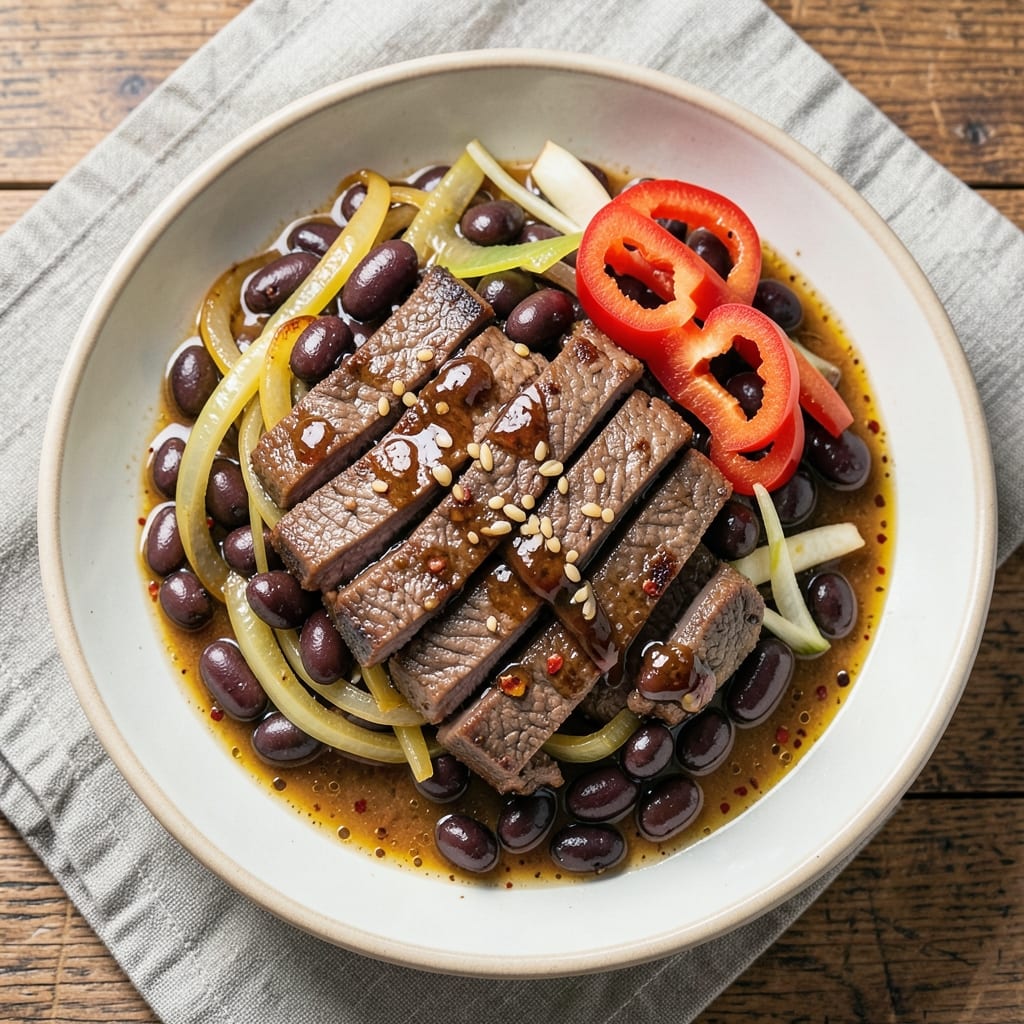
This beef and black bean stir-fry delivers restaurant-quality flavor in just 30 minutes—a perfect balance of tender beef, hearty black beans, and aromatic spices that transform simple ingredients into a satisfying weeknight meal. The secret lies in high-heat wok techniques and a well-balanced sauce that caramelizes while keeping everything vibrant and full of texture.
What sets this recipe apart is the marinade, which tenderizes the beef while infusing it with garlic, ginger, and soy, ensuring maximum flavor with minimal effort. The black beans add protein and earthiness that pairs beautifully with the beef, while bell peppers and onions bring freshness and crunch. It’s a dish that’s both nourishing and exciting, with layers of umami, sweetness, and a touch of heat.
By the time you’re done, you’ll have a dish that’s rich in color and flavor—golden-brown beef, glossy black beans, and a sauce that clings perfectly to every ingredient. The aroma alone will have everyone gathering around the table, and the first bite delivers on that promise of restaurant-quality comfort at home. Serve it over steamed rice or noodles for a complete meal.
This stir-fry is versatile enough for meal prep, freezer-friendly, and packed with customizable options—spice it up with chili flakes, add extra veggies, or swap in tofu for a vegetarian twist. Here’s how to make it shine.
Ingredients for beef and black bean stir fry
Restaurant-quality stir-fry in 30 minutes—just 15 ingredients for bold flavors and perfect texture.
| Ingredient | Amount | Notes |
|---|---|---|
| Flank Steak 🥩 | 1 ½ lb | Thinly sliced against grain |
| Black Beans 🫘 | 1 ½ cups | Canned, drained and rinsed |
| Red Bell Pepper 🍅 | 1 whole | Thinly sliced, seeds removed |
| Yellow Onion 🧅 | 1 whole | Thinly sliced, white and green parts |
| Garlic Cloves 🧄 | 6 cloves | Minced, fresh preferred |
| Fresh Ginger 🌿 | 1 tbsp | Grated, peeled root |
| Low-Sodium Soy Sauce 🍶 | ½ cup | Kikkoman preferred |
| Sesame Oil 🫒 | 1 tbsp | Toasted, for aroma |
| Honey 🍯 | 1 tbsp | Pure, for balance |
| Rice Vinegar 🍶 | 1 tbsp | White, for acidity |
| Cornstarch 🌾 | 1 tbsp | Diamond Crystal preferred |
| Vegetable Oil 🫒 | ¼ cup | High smoke point |
| Red Chili Flakes 🌶️ | ½ tsp | Adjust for heat preference |
| Salt 🧂 | 1 tsp | Diamond Crystal kosher |
| Black Pepper 🌶️ | ½ tsp | Freshly ground |
The flank steak is non-negotiable here—its lean cut cooks quickly and stays tender when sliced against the grain. Kroger or Whole Foods carry excellent cuts, but ask for a well-marbled piece if buying from a butcher. The black beans should be low-sodium to avoid over-salting the dish; Goya or Bush's are reliable brands. For the bell pepper, red or yellow work best—their sweetness balances the savory beef. Fresh ginger and garlic? Penzeys or local Asian markets offer the freshest, most aromatic options, but don't stress if your grocery store has them—just make sure they smell vibrant, not musty.
No flank steak? Sirloin or ribeye sliced thin will work in a pinch, though they may require slightly longer cooking. Swapping black beans for kidney beans or lentils changes the texture but keeps the protein. The soy sauce can be reduced if you prefer less sodium—just add a splash of water to compensate. For extra depth, fish sauce or oyster sauce (½ tbsp each) can replace half the soy sauce. The cornstarch is key for that signature stir-fry gloss; if you're out, arrowroot powder works identically. And if you're avoiding gluten, tamari is a perfect soy sauce substitute.
Prep the beef and veggies first—they'll wait while the sauce simmers. Store the marinated beef in the fridge for up to 24 hours if prepping ahead, but don't marinate longer than that or it'll get mushy. The cooked stir-fry keeps well for 3-4 days in the fridge, though the texture softens slightly. For freezing, portion into airtight containers with a thin layer of oil on top to preserve moisture—3 months max. Reheat gently over low heat with a splash of water to restore that wok-heated sheen.
Why You'll Love This Recipe
- One-Pan Magic: I swear by this recipe when I’m too tired to wash a million dishes. Flank steak strips, black beans, and peppers all hit the same pan—no chopping boards, no fuss. The onions caramelize right alongside, so you’re left with one sheet pan and a spatula to clean.
- Umami Bomb: That first bite? The garlic sizzling in the oil, the black beans soaking up the beef’s juices, the bell pepper adding just enough sweetness—it’s the kind of flavor that makes you pause mid-bite. Honestly, the smoky depth from the seared steak takes this from "dinner" to "I’ll have seconds."
- Lunchbox Hero: Between us, this is my go-to for meal prep. Double the batch, pack it in containers, and you’ve got lunch covered for days. The beef stays tender, the beans hold their shape, and the peppers add a pop of color—no sad, soggy leftovers here.
- Budget Powerhouse: Flank steak stretches across two meals, black beans bulk it up, and a single onion and bell pepper feed a family. I’ll be real: it’s the kind of recipe that makes grocery day feel like a win. Plus, the garlic? A few cloves go a long way—no wasted ingredients here.
Step-by-step instructions for beef and black bean stir fry
Master this wok technique for tender beef, vibrant vegetables, and a glossy sauce that balances sweet, salty, and umami.
Prep and Marinate the Flank Steak
Slice the 1.5 lb flank steak thinly against the grain into ¼-inch strips. This ensures tender bites—thick slices will stay chewy. Transfer the sliced steak to a bowl and add 0.5 cup low-sodium soy sauce, 1 tbsp rice vinegar, and 1 tbsp honey. Mix well to coat completely, then marinate for at least 20 minutes (up to 2 hours for deeper flavor). The acid in the vinegar tenderizes the meat while the soy sauce builds umami depth.
While marinating, prepare the vegetables: slice the whole red bell pepper and whole yellow onion into thin strips (about ¼-inch thick). Remove seeds from the pepper to prevent bitterness. Mince the 6 cloves garlic and grate the 1 tbsp fresh ginger. Keep all prepped ingredients separate until ready to cook—this is the wok hei principle in action, where fresh ingredients hit the hot pan at peak temperature.
Create the Slurry and Heat the Wok
In a small bowl, whisk together 1 tbsp cornstarch, 2 tbsp water, 0.5 tsp red chili flakes, 1 tsp salt, and 0.5 tsp black pepper to form a smooth slurry. This will thicken the sauce at the perfect moment. Heat a wok or large skillet over high heat until it's screaming hot—you should see a faint shimmer of smoke. Add 0.25 cup vegetable oil and swirl to coat the entire surface. The oil should shimmer but not smoke excessively; if it does, reduce heat slightly.
Here's where the magic happens: add the marinated steak in a single layer and let it sear undisturbed for 1-2 minutes until the edges turn deep golden brown. This initial sear locks in juices and develops a caramelized crust. Only then should you stir-fry for another 1-2 minutes until fully cooked. Remove the beef to a plate and set aside—it will continue cooking from residual heat.
Stir-Fry Vegetables in Stages
Working quickly, add the sliced yellow onion and red bell pepper to the wok. Stir-fry for 2-3 minutes until the onions soften slightly but retain their color. Add the minced garlic and grated ginger, cooking for 30 seconds until fragrant—don't let them burn, or they'll turn bitter. Immediately add the 1.5 cups black beans and toss everything together for 1 minute to heat through.
Return the beef to the wok along with any accumulated juices from the plate. Pour in the slurry and stir vigorously for 1-2 minutes until the sauce thickens slightly and clings to the ingredients. The moment the sauce coats the back of a spoon, remove from heat—overcooking will make it gummy. Toss in 1 tbsp sesame oil and stir once more to infuse the aroma.
Serve Immediately with Garnish
Transfer the stir-fry to serving plates and garnish with extra sesame seeds if desired. Serve immediately over steamed rice or noodles to soak up the flavorful sauce. The dish should be vibrant with tender beef, crisp-tender vegetables, and a glossy sauce that balances sweet, salty, and umami notes. Each bite should deliver a contrast of textures—tender beef, slight crunch from the vegetables, and a velvety sauce.
For best results, serve within 15 minutes while the vegetables retain their crispness. If reheating, do so over low heat with a splash of water to prevent drying. This stir-fry is a complete protein powerhouse, packed with iron from the beef and fiber from the black beans—perfect for a balanced meal.
Pro Tips For Making Beef And Black Bean Stir Fry
- Slice Steak Against Grain: I learned this the hard way—thinly slicing flank steak against the grain makes it tender enough to eat with a fork. Cut it into ¼-inch strips before cooking, or you’ll end up with chewy, tough bites that ruin the whole dish.
- Sauté Onions Until Soft: Skip the raw onion bite by cooking yellow onions until they’re translucent and slightly caramelized—about 5 minutes in the same pan you sear the beef. This builds flavor without overpowering the dish, and it keeps the stir-fry from tasting raw.
- Prevent Black Bean Mush: Drain and rinse canned black beans twice before adding them to the pan, then pat them dry with a paper towel. Wet beans release too much liquid, turning your stir-fry into a sad, watery mess instead of a crisp, flavorful one.
- Upgrade with Smoked Paprika: This isn’t mandatory, but a pinch of smoked paprika (½ teaspoon) in the stir-fry sauce or sprinkled over the beef adds depth that cuts through the richness of the steak. It’s a lazy shortcut to restaurant-quality flavor—just toss it in with the garlic.
Best sauces and condiments for this beef and black bean stir fry
Classic Stir-Fry Sauce
Start with the slurry sauce from the recipe—1 tbsp cornstarch, 2 tbsp water, 0.5 tsp red chili flakes, 1 tsp salt, and 0.5 tsp black pepper. This creates a glossy, slightly thickened sauce that clings perfectly to the beef and vegetables. For extra depth, add 1 tbsp oyster sauce or 1 tsp fish sauce to the slurry—these umami-rich ingredients elevate the dish to restaurant-quality. 🌶️
Sweet and Tangy Glaze
Swap out the cornstarch slurry for a honey-ginger glaze by combining 2 tbsp honey, 1 tbsp rice vinegar, 1 tbsp soy sauce, and 1 tsp grated ginger. Simmer this mixture in the wok for 1-2 minutes until slightly thickened, then toss with the stir-fry. The sweetness balances the earthy black beans and savory beef beautifully. This works especially well if you prefer a less salty dish.
Spicy Peanut Sauce
For a nutty, spicy twist, blend 2 tbsp peanut butter, 1 tbsp soy sauce, 1 tbsp rice vinegar, 1 tsp sriracha, and 1 tsp honey into a smooth sauce. Heat this in the wok for 1 minute until fully combined, then toss with the stir-fry. Top with crushed peanuts and cilantro for texture and freshness. This sauce adds richness and a bold kick—perfect for those who love texture contrast. 🥜
Garlic-Lime Dressing
Brighten up the dish with a zesty garlic-lime dressing by whisking together 2 tbsp lime juice, 1 tbsp olive oil, 2 minced garlic cloves, 0.5 tsp salt, and 0.25 tsp chili powder. Drizzle this over the finished stir-fry just before serving. The acidity cuts through the richness of the beef, and the garlic adds another layer of aroma. This is my go-to for a lighter, fresher take on the classic stir-fry.
Sesame Soy Sauce
For a simple yet flavorful upgrade, mix 3 tbsp soy sauce, 1 tbsp sesame oil, 1 tbsp honey, and 1 tsp grated ginger in a small bowl. Heat this in the wok for 30 seconds until fragrant, then toss with the stir-fry. The sesame oil adds a nutty aroma, while the soy sauce keeps it savory. This sauce is foolproof and works every time—no fancy techniques required. ✨
Condiment Pairings
Serve with pickled ginger or kimchi on the side to add a tangy crunch that contrasts the rich stir-fry. A sprinkle of toasted sesame seeds or crushed peanuts adds texture, while steamed jasmine rice or rice noodles soak up the sauce beautifully. For extra heat, offer sriracha or chili crisp for guests to customize their plates. These pairings turn a simple stir-fry into a full, satisfying meal. 🍚
Nutrition facts
Frequently asked questions
Can I use frozen black beans instead of canned?
Yes, but you'll need to thaw and drain them first. Rinse 1.5 cups frozen black beans under cold water, then drain well. Cook them separately in boiling water for 3-4 minutes until heated through, then drain again before adding to the stir-fry. Frozen beans work, but canned are more convenient since they're already pre-cooked and ready to use.
What's the best cut of beef for stir-fry?
Flank steak is ideal because it's lean, tender when sliced thin, and cooks quickly. Sirloin or ribeye also work well—just slice them ¼-inch thick against the grain. Avoid fatty cuts like chuck roast, as they won't cook evenly in the high heat. If using pre-sliced beef, look for "stir-fry strips" at Asian markets for convenience.
How do I prevent the beef from getting chewy?
Slice the beef thinly against the grain (never with it) and marinate for at least 20 minutes—the acid in the vinegar tenderizes it. Cook at high heat for only 2-3 minutes total until just done (internal temp 145°F). Overcooking is the #1 cause of chewy beef! Remove from heat immediately after cooking.
Can I make this stir-fry ahead of time?
Cooked stir-fry keeps for 3-4 days in the fridge, but the vegetables will soften. For best results, reheat over low heat with a splash of water to restore moisture. To prep ahead, marinate the beef and chop veggies up to 24 hours in advance, then cook fresh. Freeze for 3 months max—thaw overnight in the fridge before reheating.
What if I don't have a wok?
Use a large skillet or cast-iron pan with high sides—it should be at least 12-inch diameter. The key is getting the pan screaming hot before adding oil. If your pan isn't wide enough, cook in batches: beef first, then vegetables. A nonstick pan works too, but watch the heat—it won't develop the same caramelized crust.