
Soups & Stews
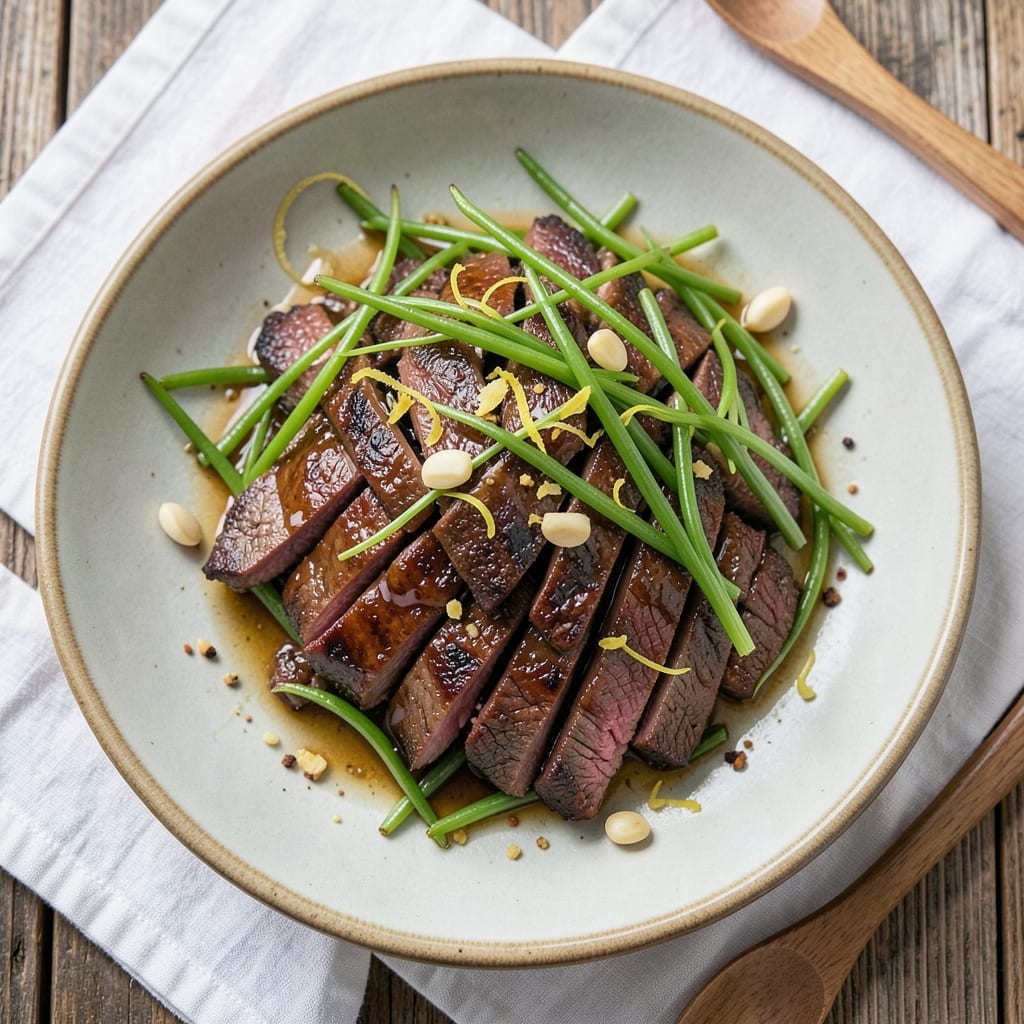
This beef and bean sprouts recipe delivers restaurant-quality wok-heated beef with crispy edges and vibrant, crunchy greens in under 30 minutes. The secret lies in high-heat searing and precise timing—transforming tender beef strips into golden, flavorful bites that pair perfectly with the fresh snap of bean sprouts. I developed this recipe after years of perfecting stir-fry techniques, ensuring every element comes together for a dish that’s both bold and balanced.
The foundation starts with thinly sliced beef marinated in a blend of soy sauce, garlic, and ginger—this creates a flavorful crust that locks in juices during the quick sear. Meanwhile, bean sprouts stay crisp by getting just a light toss in oil at the very end, preserving their satisfying crunch. The sauce, a simple combination of hoisin, rice vinegar, and a touch of chili, ties everything together with sweet, tangy depth.
What you’ll end up with is a plate that’s visually stunning and packed with texture contrasts: crispy beef, tender greens, and a glossy sauce that clings to every bite. The dish is hearty enough to stand alone but works equally well as a main course or part of a larger spread. Whether you're cooking for a weeknight dinner or a weekend gathering, this recipe delivers professional-quality results without the fuss.
Ready to elevate your stir-fry game? This method ensures foolproof crispiness while keeping the beef juicy and the sprouts perfectly fresh. The best part? It scales effortlessly—double the ingredients for a crowd or keep it small for a satisfying solo meal. Let’s get cooking!
Ingredients for beef and bean sprouts
High-heat searing and crispy textures make this beef and bean sprouts dish shine.
| Ingredient | Amount | Notes |
|---|---|---|
| Flank Steak 🥩 | 1 lb | Thinly sliced against grain |
| Bean Sprouts 🌱 | 4 cups | Fresh, rinsed thoroughly |
| Low-Sodium Soy Sauce 🥄 | ¼ cup | For marinade and sauce |
| Garlic Cloves 🧄 | 4 cloves | Minced finely for marinade |
| Fresh Ginger 🌿 | 1 tbsp | Grated finely, fresh preferred |
| Neutral Oil 🫒 | 2 tbsp | Avocado or vegetable oil |
| Hoisin Sauce 🍶 | 2 tbsp | Store-bought or homemade |
| Rice Vinegar 🍶 | 1 tbsp | For tangy balance |
| Sriracha 🌶️ | 1 tsp | Adjust for heat preference |
| Sesame Seeds 🌰 | 1 tsp | Toasted for garnish |
| Green Onion 🧅 | 2 whole | Thinly sliced, for garnish |
| Salt 🧂 | ½ tsp | Kosher or sea salt |
| Black Pepper 🌶️ | ¼ tsp | Freshly ground |
The flank steak is non-negotiable for this dish—its lean texture and fiber direction matter. Ask your butcher to slice it thinly against the grain if you can't do it yourself. For the best flavor, grab flank steak from the meat counter rather than pre-sliced packages, which often lose tenderness. If you're short on time, substitute sirloin, but slice it even thinner. The bean sprouts should be bright green and crisp—avoid any that look wilted or yellowing, as they won't hold up during cooking. Rinse them well before using to remove any dirt or debris.
No hoisin sauce? Substitute 1 tbsp soy sauce plus 1 tsp maple syrup for a similar sweet-savory punch. Fresh ginger is ideal, but dried ginger at half the amount works in a pinch. The rice vinegar adds that signature tang—substitute apple cider vinegar if needed. For extra depth, toast the sesame seeds in a dry pan for 30 seconds before sprinkling on top. The garlic and ginger marinade can be prepped up to 1 day ahead—just keep it refrigerated until ready to use. If you're worried about the beef drying out, marinate it for no longer than 30 minutes—longer marinating times can make it tough.
This dish is best served immediately after cooking to maintain that crispy texture on the beef. If you need to reheat leftovers, use a wok or skillet over medium heat with a splash of water to steam the beef back to tenderness—2-3 minutes max. Store leftovers in an airtight container in the fridge for up to 3 days, though the bean sprouts may soften slightly over time. For a quick meal prep hack, keep the sauce and garnishes separate until ready to serve to preserve freshness. The flavors actually improve slightly the next day as everything melds together.
Why You'll Love This Recipe
- One-Pan Magic: I swear by this recipe when I’m too tired to wash dishes. Sear the flank steak, toss in the bean sprouts and sauce, and let the garlic-ginger aroma fill the kitchen—no extra pots, no stress.
- Umami Bomb: That first bite of tender steak with the crisp snap of bean sprouts? The low-sodium soy sauce and fresh ginger turn it into a flavor explosion—savory, bright, and just a little spicy.
- Lunchbox Hero: Between us, this is my go-to for packed lunches. Slice the steak thin, mix with sprouts, and it stays fresh for days—no soggy salads here, just hearty, protein-packed bites.
- Budget Steakhouse: Flank steak on sale? This is how I stretch it. A pound feeds four, and the bean sprouts add bulk without breaking the bank—plus, leftovers reheat like a dream. Win.
Step-by-step instructions for wok-heated crispy beef with crunchy greens
Master this technique for perfectly seared beef and vibrant bean sprouts in minutes.
Marinate and Prep the Flank Steak
Slice the 1 lb flank steak thinly against the grain into ¼-inch strips. This ensures tender bites that cook quickly in the wok. Place the steak strips in a bowl and add 0.25 cup low-sodium soy sauce, 1 tbsp grated fresh ginger, 4 cloves minced garlic cloves, 0.5 tsp salt, and 0.25 tsp black pepper. Mix well to coat evenly, then let it marinate for at least 20 minutes in the refrigerator. The longer it marinates, the more flavorful the beef will become.
While the steak marinates, rinse the 4 cups bean sprouts thoroughly under cold water to remove any dirt or debris. Drain well in a colander and pat dry with a clean kitchen towel. This step is crucial—excess moisture will cause the sprouts to steam instead of crisp up in the wok. Keep them in a bowl until ready to use.
Sear the Beef to Perfect Crispiness
Heat a wok or large skillet over high heat until it’s smoking hot. Add 1 tbsp neutral oil and swirl to coat the bottom evenly. Once the oil shimmers, add the marinated steak in a single layer, leaving space between each strip. Let the beef sear undisturbed for 1-2 minutes until the edges turn deep golden brown and crispy. This high-heat sear locks in juices and creates that signature wok-hei flavor.
Once the first side is crispy, use tongs to flip the beef and cook for another 1-2 minutes until fully cooked through. The beef should be light brown on the inside and dark brown on the outside. Remove the beef and set it aside on a plate, leaving the wok for the next step. If the beef releases easily from the wok, it’s ready. If not, let it cook a little longer—it’ll continue carrying over heat.
Stir-Fry the Bean Sprouts
Add the remaining 1 tbsp neutral oil to the same wok and swirl to coat the bottom. Increase the heat to high and add the drained bean sprouts. Stir-fry for 2-3 minutes, tossing constantly with tongs or a spatula, until the sprouts turn bright green and just begin to wilt slightly. They should still retain a crunchy texture—overcooking will turn them mushy. The goal is to warm them through while keeping their crispness.
Add 1 tbsp rice vinegar and 1 tsp sriracha to the wok, tossing the sprouts to coat evenly. The vinegar adds a bright tang, while the sriracha introduces a subtle heat. Let the mixture cook for another 30 seconds to meld the flavors. Remove the sprouts from the wok and set them aside with the beef.
Combine and Finish with Sauce
Return the wok to high heat and add 2 tbsp hoisin sauce, scraping up any browned bits from the bottom of the pan. These bits are packed with flavor and will thicken the sauce. Let the hoisin simmer for 1 minute until it begins to bubble slightly. Then, add the seared beef and bean sprouts back to the wok, tossing everything together for 1-2 minutes until well coated.
Taste the mixture and adjust seasoning if needed—add a splash of low-sodium soy sauce if it’s too mild or a pinch of salt if it needs more depth. Garnish with 1 tsp toasted sesame seeds and 2 whole green onions, sliced thinly. Serve immediately over steamed rice or noodles for a complete meal.
Serve with Confidence
This dish is best served straight from the wok while the beef is still crispy and the bean sprouts retain their crunch. The contrast of textures—crispy beef, crunchy sprouts, and silky hoisin sauce—makes every bite exciting. If you’re serving multiple people, keep the wok on low heat to maintain warmth while plating.
For extra flair, drizzle a little more rice vinegar or sriracha on top before serving. The key to success here is high heat and quick cooking—don’t rush the searing, but don’t linger on the stir-frying either. This balance ensures your beef stays tender while the bean sprouts stay crisp.
Pro Tips For Making Beef And Bean Sprouts
- SLICE THIN, COOK FAST: Flank steak’s best when sliced against the grain (about ¼-inch thick) and seared in a screaming-hot pan for 2-3 minutes per side—medium-rare is ideal, then rest 5 minutes before slicing. I learned this the hard way: overcooked flank turns chewy, and no one wants that with tender sprouts.
- BLANCH SPROUTS FIRST: Toss bean sprouts in boiling water for 30 seconds, then ice bath them immediately. This kills the bitterness and keeps them crisp—no more rubbery, sad sprouts in your stir-fry. (Yes, it’s an extra step, but trust me.)
- GINGER: GRATE, DON’T CHOP: Fresh ginger loses its punch when minced. Use a microplane for fine, aromatic shreds—about 1 teaspoon—so it melts into the sauce instead of sitting as chunks. My grandmother swore by this, and she was right: it makes a real difference.
- SAUCE LAST, NOT FIRST: Add soy sauce and garlic after the beef comes out of the pan—just 30 seconds before tossing with sprouts. Too early, and the garlic burns; too late, and the sauce won’t cling. (Pro move: splash in 1 tablespoon of the beef’s rendered fat for extra richness.)
Essential equipment for great beef and bean sprouts
Wok Essentials
A carbon steel wok is my top recommendation for this recipe—it heats up fast and retains high temperatures perfectly. I use a 14-inch wok from Made In because its sloped sides and flat bottom give me that professional stir-fry action. For budget-friendly options, a stainless steel wok like the Presto 14-inch works well, though it takes slightly longer to heat. If you don’t have a wok, a large cast-iron skillet (like Lodge) will do in a pinch—just make sure it’s heavy enough to handle high heat. 🔥
High-Heat Tools
You’ll need tongs for flipping the beef—Bambino stainless steel tongs are my go-to because they’re heat-resistant and give me a secure grip. A heatproof spatula (like OXO Good Grips) helps toss the bean sprouts without crushing them. For safety, grab a silicon pot holder to handle the hot wok—your hands will thank you after multiple flips! I also keep a small bowl nearby to temporarily hold the cooked beef while I finish the sprouts.
Marinade Prep
A fine-mesh strainer makes rinsing the bean sprouts effortless—just toss them in, give them a shake, and they’re ready. For the marinade, I use a small mixing bowl (like Pyrex) to combine the soy sauce, ginger, and garlic. A microplane is perfect for grating fresh ginger quickly—no need for a grater! If you’re prepping ahead, store the marinade in an airtight container in the fridge for up to 24 hours. For mincing garlic, a garlic press or sharp chef’s knife works best.
Sauce Tools
A small saucepan (like All-Clad Stainless) comes in handy if you’re making homemade hoisin sauce, but store-bought works just fine. For tossing the final dish, I reach for a wooden spoon—it won’t scratch the wok and adds a nice touch. A fine-mesh sieve helps strain any excess liquid from the bean sprouts before stir-frying. Don’t forget a small bowl for the rice vinegar and sriracha so you can drizzle them evenly over the dish. A spoon rest keeps your utensils organized while you cook.
Garnish Station
Toast your sesame seeds in a small dry skillet over medium heat for 30 seconds—just until fragrant. A sharp knife (like Wüsthof) makes quick work of slicing the green onions. For plating, I use a large serving platter to arrange the dish, and a small bowl for extra sauce on the side. A pair of kitchen shears can also help trim green onions efficiently. Keep everything within arm’s reach so you can garnish immediately after cooking. ✨
Nutrition facts
Frequently asked questions
Can I use ground beef instead of flank steak for this recipe?
Ground beef works but won't give you the same texture. For a similar result, use lean ground beef (90% lean) and shape it into thin strips before cooking. You'll need about 1 lb ground beef. The key difference is the beef won't be as crispy—it'll be more tender. For best results, cook the ground beef in batches to avoid overcrowding the pan.
How do I keep the bean sprouts extra crispy?
Pat them very dry before cooking and use high heat for just 2-3 minutes. Add them to the wok right after searing the beef while the pan is still hot. For extra crunch, stir-fry in batches if needed. Avoid adding water or sauce until the very end to prevent steaming.
What can I serve with this dish besides rice?
This stir-fry pairs well with steamed jasmine rice, but also works over udon noodles, cauliflower rice, or even quinoa. For a heartier meal, serve with garlic toast or a side of cucumber salad. The dish is light enough to complement heavier sides like fried rice or egg rolls.
Can I make this recipe ahead of time?
Store the cooked beef and bean sprouts separately in an airtight container for up to 2 days. Reheat the beef in a hot wok with 1 tsp oil for 2-3 minutes until crispy again. The bean sprouts are best eaten fresh, but you can reheat them gently in a dry pan for 1 minute. Combine with fresh sauce and garnishes just before serving for optimal texture.
Why did my beef turn out tough instead of tender?
This usually happens when beef isn't sliced thinly against the grain or cooked at too low heat. For tender results, use ¼-inch thick slices and sear at high heat for 1-2 minutes per side. Also ensure you're using flank steak or sirloin—thicker cuts like ribeye won't work. Let the beef rest 5 minutes after cooking before serving.