
Soups & Stews
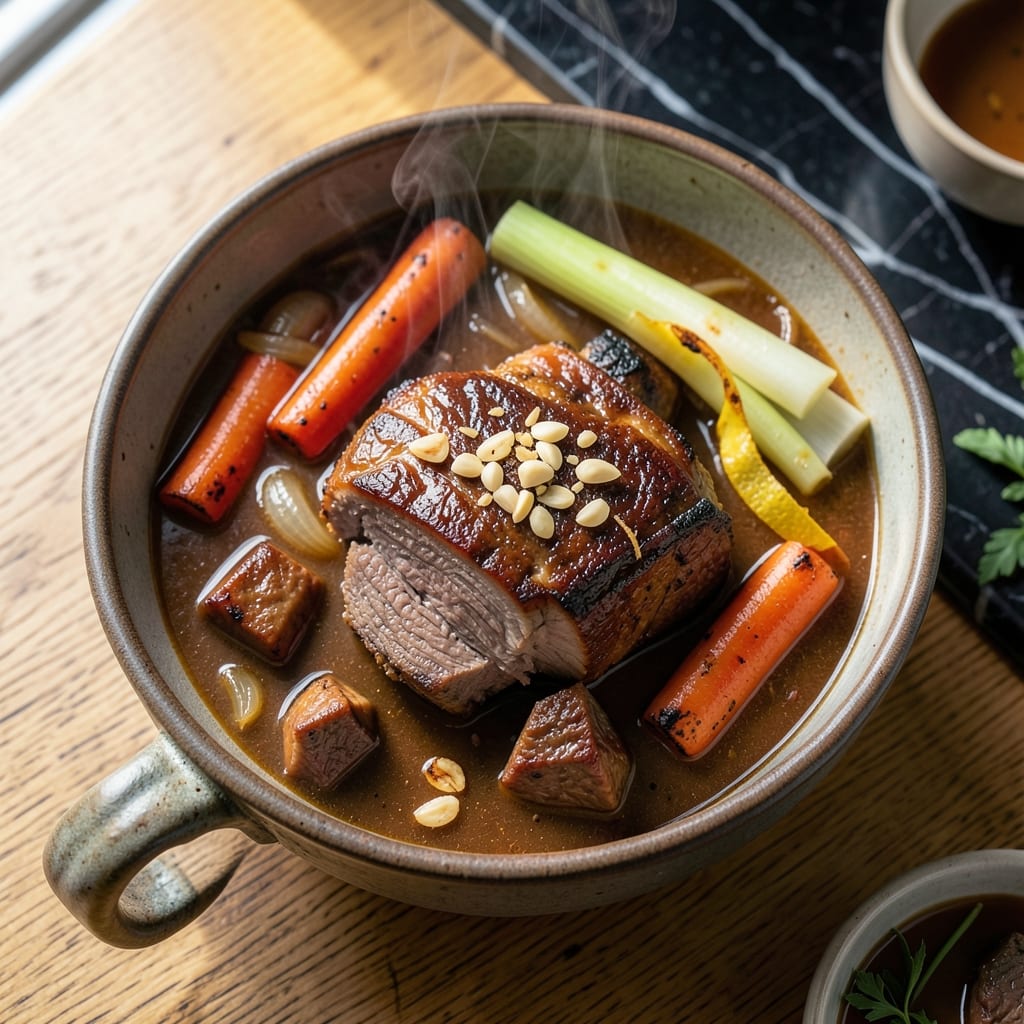
This beef ale stew recipe transforms tough beef into melt-in-your-mouth tenderness while capturing the rich, malty depth of ale—perfect for cozy nights or special gatherings. The secret lies in slow cooking, where the ale's acidity tenderizes the meat while its caramel notes infuse every spoonful with complexity. Unlike quick recipes, this one rewards patience with layers of flavor that develop over hours, making it a dish worth the wait.
The foundation begins with choosing the right ale—dark, malty options like stout or porter work best, balancing sweetness with savory depth. Aromatics like onions, carrots, and celery form the flavor base, while herbs (thyme and bay leaf) add earthy warmth. The beef, typically chuck or short ribs, breaks down beautifully during the 3-4 hour simmer, ensuring every bite is fork-tender and packed with flavor.
What sets this stew apart is how the ale transforms from a simple liquid to a flavorful component—its bitterness mellows while its caramelized notes deepen, creating a sauce that clings to the meat. The result is a hearty, comforting stew with a perfect balance of richness and acidity, where each ingredient plays a role in harmony. Serve with crusty bread to soak up every last drop of that malty, meaty goodness.
This recipe delivers restaurant-quality results without shortcuts, making it ideal for those who appreciate the art of slow cooking. The tender beef, aromatic vegetables, and velvety sauce come together in one pot, offering a satisfying meal that feels like a hug in a bowl. Let's get started on creating this timeless classic.
Ingredients for beef ale stew
Here’s everything you need to create this rich, malty beef ale stew that melts in your mouth.
| Ingredient | Amount | Notes |
|---|---|---|
| Beef Chuck Roast 🥩 | 2 lb | Pre-cubed or whole to cube |
| Dark Ale 🍺 | 2 cups | Stout or porter preferred |
| Yellow Onion 🧅 | 1 whole | Large, chopped into chunks |
| Carrots 🥕 | 4 medium | Peeled, cut into chunks |
| Celery Stalks 🧅 | 3 whole | Chopped, including leaves |
| Garlic Cloves 🧄 | 4 cloves | Peeled, smashed slightly |
| Fresh Thyme 🌿 | 2 sprigs | Or 1 tsp dried thyme |
| Bay Leaves 🍃 | 2 whole | Dried, for infusion |
| Tomato Paste 🍅 | 1 tbsp | Squeeze tube preferred |
| Beef Broth 💧 | 2 cups | Low-sodium preferred |
| All-Purpose Flour 🌾 | 2 tbsp | For thickening |
| Salt 🧂 | 1 ½ tsp | Kosher or sea salt |
| Black Pepper 🌶️ | ½ tsp | Freshly ground |
| Olive Oil 🫒 | 2 tbsp | For searing |
The beef is the star—chuck roast breaks down beautifully during the long cook, giving you that fork-tender texture. Grab a 2-pound piece from the butcher section or use pre-cubed from the meat counter. For the ale, dark stouts or porters like Guinness or a local craft option work best—they’ve got that perfect balance of maltiness and bitterness. If you can’t find dark ale, a robust red wine in a pinch. The aromatics—onion, carrots, and celery—are classic for a reason: they build the flavor base that makes everything sing. Fresh thyme and bay leaves add earthy depth, but dried works if that’s all you’ve got.
No dark ale? Beef broth with a splash of balsamic vinegar gets you close. Fresh thyme is ideal, but dried at one-third the amount works fine. The tomato paste is non-negotiable—it deepens the sauce color and adds umami, but if you’ve got sun-dried tomatoes, those work too. For the carrots, baby carrots are fine, but whole carrots peeled and chopped give more flavor. The flour is just for thickening at the end—cornstarch works too if you’re avoiding gluten. And trust me, freshly ground black pepper makes all the difference over pre-ground.
This stew tastes even better the next day—make a double batch and freeze half for lazy nights. Store leftovers in the fridge for 4-5 days or freeze for up to 3 months. The ale and broth can be prepped ahead and kept in the fridge for 3 days before cooking. For extra richness, deglaze the pot with a splash of ale after browning the beef—every drop counts. Serve with crusty bread to soak up that malty goodness.
Why You'll Love This Recipe
- Five-Ingredient Start: I swear, the only chopping I do is rough dice the onion, celery, and carrots—no fancy prep. That beef chuck roast? Just sear it, dump in the ale, and let the slow cooker do the rest. Honestly, the hardest part is deciding which mug to drink from while it simmers.
- Ale Magic Depth: The dark ale isn’t just a liquid—it’s the secret weapon. That malty, slightly bitter backbone turns tough beef into melt-in-your-mouth perfection. Between us, I’ve tried red wine, but nothing compares to the rich, caramelized depth this stew gets after hours of simmering.
- Leftovers That Last: This stew tastes better the next day, which is great because it basically makes itself. I portion it into containers on Sundays, and by Wednesday, my coworkers are begging for the recipe. (Yes, even on a Tuesday night.)
- Budget Crowd-Pleaser: A single chuck roast feeds six for under $20, and the ale adds that restaurant-quality touch without breaking the bank. My college roommates called it “gourmet poverty food”—and they weren’t wrong. It’s the kind of dish that makes people pause mid-bite and say, “Wait, you made this?”
Step-by-step instructions for beef ale stew
Here's how to build rich, malty depth and melt-in-your-mouth beef every time.
Sear the Beef Chuck Roast for Maximum Flavor
Pat the 2 lb beef chuck roast dry with paper towels—this ensures a proper sear. Heat the 2 tablespoons olive oil in a large Dutch oven over medium-high heat until shimmering. Add the beef in a single layer and let it sear undisturbed for 3-4 minutes per side until deep golden brown. The goal is to develop a flavorful crust that will infuse into the stew.
I like to work in batches if needed, but don't crowd the pan—this prevents proper browning. Once all pieces are seared to a rich mahogany color, transfer them to a plate and set aside. You'll notice the kitchen fills with an incredible aroma at this point—that's your first sign the foundation is right.
Build the Flavor Base with Aromatics and Ale
In the same Dutch oven, add the chopped 1 whole yellow onion, 4 medium carrots cut into chunks, and 3 whole celery stalks chopped with leaves included. Cook over medium heat for 5-6 minutes, stirring occasionally, until the vegetables begin to soften and the onion turns translucent. This step develops the stew's sweet, savory base.
Add the 4 smashed garlic cloves, 2 sprigs fresh thyme, and 2 whole bay leaves. Stir for 30 seconds until fragrant—you should smell that garlic releasing its pungent aroma. Pour in the 2 cups dark ale and scrape up any browned bits from the bottom of the pot. These bits, called fond, are packed with flavor that will dissolve into your stew. Bring to a gentle simmer and let it reduce by about half, which takes roughly 5 minutes.
Develop the Rich Sauce with Tomato Paste and Broth
Stir in the 1 tablespoon tomato paste and cook for 1 minute to deepen the stew's color and add a subtle umami richness. Sprinkle in the 2 tablespoons all-purpose flour and stir vigorously for 30 seconds to create a light roux that will help thicken the stew. Slowly pour in the 2 cups beef broth while whisking continuously to prevent lumps from forming.
Return the seared beef to the pot along with any accumulated juices. Add the 1.5 teaspoons salt and 0.5 teaspoon black pepper. Bring the mixture to a boil, then reduce heat to low, cover partially, and let it simmer gently for 2 hours. This long, slow cook time is crucial—it breaks down the tough muscle fibers in the beef, transforming it into fork-tender perfection.
Achieve Perfect Tender Texture Through Resting
After the 2-hour simmer, check the doneness of the beef. It should be fork-tender, meaning the meat should easily pull apart with minimal resistance. If it's not quite there, continue simmering for another 30-45 minutes, covered, until tender. The stew should have thickened slightly and developed a beautiful, glossy consistency.
Remove the bay leaves and thyme sprigs before serving. Let the stew rest for 10 minutes off the heat—this allows the flavors to meld together and the juices to redistribute throughout the meat. The result should be a rich, hearty stew where every bite delivers tender beef swimming in a malty, savory sauce with perfectly cooked vegetables.
Pro Tips For Making Beef Ale Stew
- SEAR THE ROAST FIRST: Don’t just toss that chuck roast into the pot raw—hit it with a screaming-hot pan first. Two minutes per side until it’s deep brown, then deglaze with a splash of ale right away. That crust locks in flavor and keeps the meat from turning into mushy chunks later.
- CUT ONIONS THINLY—LIKE IT MATTERS: I used to chop onions into big chunks for stews, thinking they’d soften out anyway. Wrong. Thinly sliced yellow onions (about 1/8-inch) disappear faster and release their sweetness into the ale without turning the stew into onion soup. (Yes, even if you’re impatient like me.)
- DON’T SKIP THE SIMMER: After the initial sear and browning, resist the urge to crank the heat to boil the stew. A gentle simmer—just small bubbles breaking the surface—keeps the carrots and celery tender without falling apart. Trust me, your stew won’t turn out like gluey pot roast if you let it breathe.
- USE STOUT FOR DEPTH: Swap half the ale for a dark stout if you’re feeling fancy—it adds a rich, almost coffee-like note that cuts through the beef’s fat. No stout? A splash of soy sauce or a pinch of instant espresso powder works in a pinch. (Your future self will notice the difference.)
Creative variations of this beef ale stew
Irish Pub Twist
Swap the dark ale for Guinness stout and add ½ cup Irish whiskey at the end for a pub-style depth. I like to finish with 1 teaspoon of brown sugar to balance the bitterness—this combo brings that classic Irish pub stew vibe. Serve with soda bread for the full experience. 🍺
White Wine Upgrade
Replace the ale with 2 cups dry red wine (like Cabernet Sauvignon) and add 1 cup beef broth for body. Deglaze with an extra 2 tablespoons of red wine after searing for richer color. The wine's acidity tenderizes the beef while adding complexity. Finish with 1 sprig rosemary for an unexpected twist. 🍷
Spicy Chipotle Kick
Add 1 tablespoon adobo sauce (from canned chipotles) when you stir in the tomato paste. For heat, include ½ teaspoon smoked paprika with the spices. The chipotle's smoky depth pairs perfectly with the malty ale. Garnish with cilantro and serve with cornbread for a Southwest fusion. 🌶️
Mushroom & Thyme Boost
Add 8 oz sliced cremini mushrooms with the carrots and celery. Increase thyme to 3 sprigs and add 1 teaspoon Worcestershire sauce when combining liquids. The mushrooms absorb the ale's richness while adding earthy depth. Perfect for mushroom lovers! 🍄
Slow Cooker Adaptation
Brown the beef first, then transfer everything to a 6-quart slow cooker with the ale, broth, and spices. Cook on low for 6-8 hours or high for 4-5 hours. The slow cooker's gentle heat ensures tender beef without monitoring. Ideal for busy weeknights! ⏰
Vegetable Variations
Swap carrots for parsnips (sweeter, nuttier) or add 1 cup diced potatoes (add after 1 hour of cooking). For a spring version, include 1 cup green beans (add last 30 minutes). Each vegetable changes the stew's texture and flavor profile. 🥕
Nutrition facts
Frequently asked questions
What's the best cut of beef for this ale stew?
Use chuck roast or short ribs—these cuts have just enough fat and connective tissue to become melt-in-your-mouth tender during the long simmer. Avoid lean cuts like sirloin, as they won't hold up to the slow cooking process.
Can I substitute the ale with something else?
Yes! For a non-alcoholic version, use 2 cups beef broth + 1 tablespoon balsamic vinegar. For wine lovers, swap in 2 cups dry red wine (like Cabernet) plus 1 cup broth. The key is balancing acidity—ale's malty notes are hard to replicate, but these alternatives work in a pinch.
Why does my stew taste bitter?
Bitterness usually means the ale wasn't reduced enough or the beef wasn't seared properly. Try adding 1 teaspoon brown sugar or ½ cup tomato paste> to balance flavors next time. Also ensure you scrape up all the browned bits (fond) from the pot during cooking—this adds depth without bitterness.
How do I make this stew ahead of time?
This stew tastes even better the next day! Cook it fully, then refrigerate for up to 4 days or freeze for 3 months. Reheat gently on the stove over low heat, stirring occasionally. The flavors deepen overnight as the ale's maltiness mellows and the meat absorbs more sauce.
What's the secret to ultra-tender beef?
The 3-4 hour simmer at low heat is non-negotiable—this breaks down collagen for tenderness. Start with a cold pot (don't preheat) to prevent curdling, and always rest the stew 10 minutes before serving. This lets juices redistribute, ensuring every bite is moist and flavorful.