
Main Courses
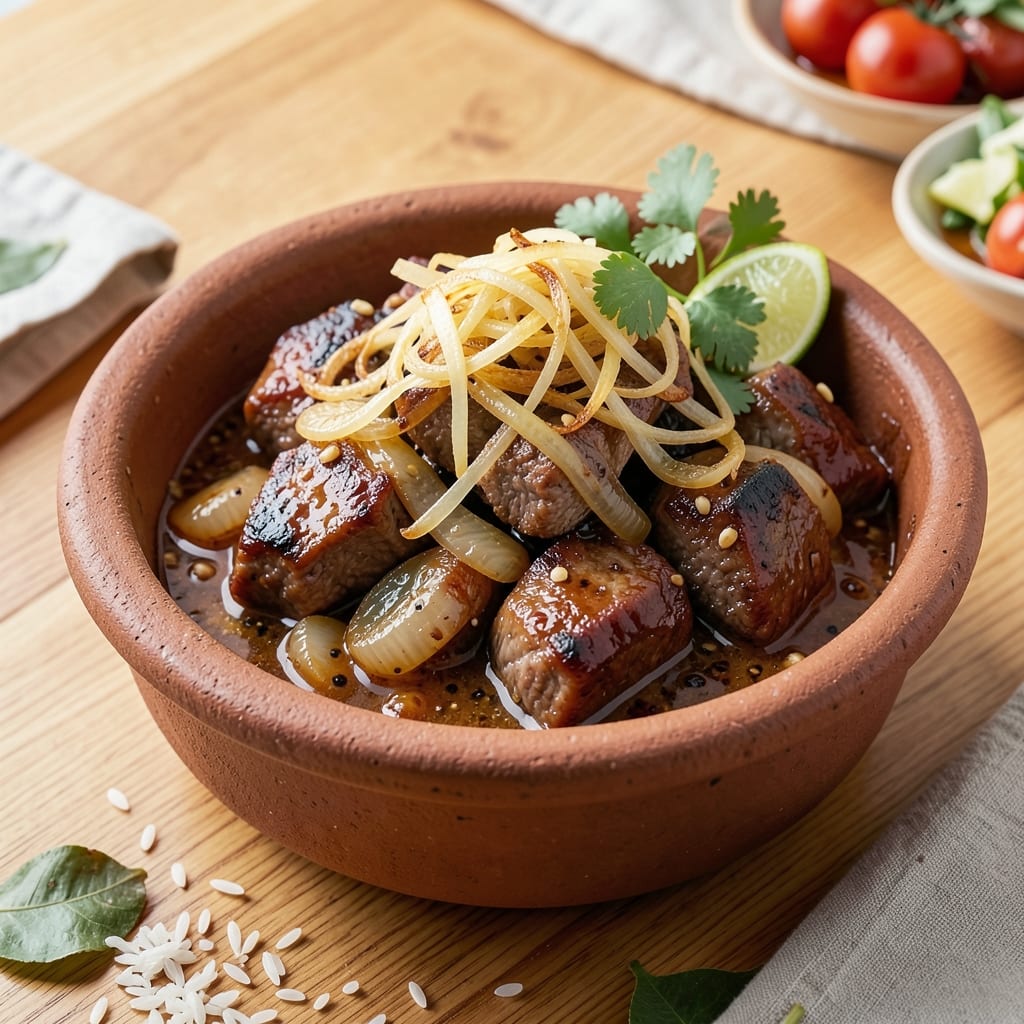
This beef afritada panlasang Pinoy recipe brings the heart of Filipino home cooking to your kitchen with its rich, savory tomato-soy stew and melt-in-your-mouth beef. 🌟 The secret lies in balancing sweet, tangy, and umami flavors through slow cooking—just like the dishes my lola used to make. What starts as simple ingredients transforms into a deeply satisfying meal that pairs perfectly with steamed rice.
The magic happens in the sauce: a perfect blend of soy sauce, tomatoes, and a touch of sweetness that tenderizes the beef while keeping the vegetables crisp. Unlike many adaptations, this version stays true to Filipino techniques, using garlic, onions, and a hint of calamansi (or lemon) for that signature tang. The beef becomes so tender, it practically falls apart with every bite.
What makes this dish special is its versatility—serve it as a standalone meal or pair it with atchara (pickled papaya) for a classic Filipino touch. The slow simmer allows flavors to meld beautifully, creating a dish that’s both comforting and restaurant-worthy. Once you try this, you’ll understand why it’s a staple in Filipino households.
Ready to recreate this nostalgic flavor? The process is straightforward, and the results are unforgettable. Let’s get cooking—your taste buds will thank you.
Ingredients for beef afritada panlasang pinoy
Simple ingredients transform into nostalgic Filipino comfort—tender beef and sweet-tangy sauce in one pot.
| Ingredient | Amount | Notes |
|---|---|---|
| Beef Chuck Roast 🥩 | 1 ½ lb | Cut into 1-inch cubes |
| Yellow Onions 🧅 | 2 whole | Sliced into half-moons |
| Garlic Cloves 🧄 | 6 cloves | Minced finely for depth |
| Canned Tomatoes 🍅 | 1 can | San Marzano preferred |
| Soy Sauce 🍶 | ½ cup | Light or regular, not low-sodium |
| Calamansi or Lemon Juice 🍋 | ¼ cup | Calamansi for authentic tang |
| White Wine 🍷 | ½ cup | Dry, like Sauvignon Blanc |
| Potatoes 🥔 | 1 ½ lb | Russet, cut into chunks |
| Carrots 🥕 | 3 whole | Baby or regular, sliced |
| Olive Oil 🫒 | ¼ cup | Extra-virgin for richness |
| Salt 🧂 | 1 ½ tsp | Diamond Crystal preferred |
| Black Peppercorns 🌶️ | ½ tsp | Freshly cracked |
| Bay Leaves 🍃 | 2 whole | For aromatic depth |
| Sugar 🍚 | 1 tbsp | Balances acidity |
The beef is non-negotiable here—chuck roast delivers that melt-in-your-mouth texture when cooked low and slow. Most grocery stores carry it pre-cut, but if you're buying whole, ask the butcher to cube it for you. Filipino markets often have it prepped this way, saving you time. For the tomatoes, San Marzano cans from Italian markets or high-quality brands like Muir Glen make all the difference—they're sweeter and less acidic. The potatoes should be Russet or Yukon Gold for that creamy texture when cooked, and baby carrots work perfectly if you're short on time.
No calamansi? Lemon juice works in a pinch, though it's not quite the same bright citrus punch. Running low on wine? Substitute beef broth with a splash of vinegar for acidity. The soy sauce is essential—light or regular, not low-sodium, as the salt content matters here. If you're missing bay leaves, dried thyme at half the amount gives a similar earthy note. The sugar might seem odd, but it's crucial for balancing the tangy-savory flavors—brown sugar works too if you're out of white. For the wine, any dry white will do, but Sauvignon Blanc has that crisp acidity that pairs perfectly.
This dish tastes even better the next day as flavors meld—make extra for leftovers. Store in an airtight container in the fridge for 4-5 days, or freeze portions for 3 months. I always double the recipe because it disappears fast. The sauce thickens as it cools, so add a splash of water or broth when reheating if it gets too stiff. Serve with steamed rice, of course—jasmine rice is ideal, but any long-grain works.
Why You'll Love This Recipe
- One-Pot Magic: Between us, this dish is easy—just brown the beef, toss in onions and garlic, then dump in the tomatoes and soy sauce. No chopping mountains of veggies, no fancy techniques, just a deep pot of flavor that simmers itself.
- Soy-Tomato Symphony: That balance of salty soy and tangy tomatoes? Chef’s kiss. The beef ends up fork-tender with just enough bite, while the sauce clings like a hug. Honestly, I’ve made it with cheaper cuts, and it still tastes like a restaurant dish.
- Leftovers That Win: This stuff improves the next day. The flavors meld into something richer, and it reheats like a dream—perfect for lunch boxes or lazy Sunday brunches. My kids actually ask for it, which is rare.
- Budget Hero: A single chuck roast stretches for four meals, and the rest of the ingredients cost pennies. You’re feeding a crowd without breaking the bank, and the leftovers? Even better. Not the prettiest, but the taste makes up for it.
Step-by-step instructions for beef afritada panlasang Pinoy
Here's how to make this Filipino comfort classic with rich, caramelized flavors and melt-in-your-mouth beef.
🍳 Step 1: Sear the Beef Until Deeply Browned
Heat the 0.25 cup olive oil in a large Dutch oven over medium-high heat until shimmering. Add the 1.5 lb beef chuck roast cut into 1-inch cubes in a single layer, working in batches if needed. Let them sear undisturbed for 3-4 minutes per side until deep golden brown with crisp edges.
This initial searing creates the Maillard reaction that builds deep, savory flavors. I press down gently on the beef cubes during the first minute—this prevents them from curling and ensures even contact with the pan. Don't rush this step; you want that beautiful caramelization before adding liquids. Once all beef is browned, remove it from the pot and set aside temporarily.
👨🍳 Step 2: Build the Flavor Base with Aromatics
In the same pot, add the 2 whole yellow onions sliced into half-moons and cook over medium heat for 5-6 minutes until softened and beginning to caramelize at the edges. Add the 6 cloves minced garlic cloves and cook for another 30 seconds until fragrant.
Here's where the magic happens: the onions should develop a beautiful golden color and sweet caramelized notes. If they start to brown too quickly, reduce heat slightly. Add the 2 whole bay leaves now—they'll infuse subtle earthy notes throughout the stew. Stir occasionally to prevent burning while building that aromatic foundation.
🍳 Step 3: Deglaze and Simmer the Tomato-Soy Base
Pour in the 0.5 cup white wine and scrape up all those delicious browned bits from the bottom of the pot with a wooden spoon. This deglazing step captures all that concentrated beef flavor. Let it simmer for 2-3 minutes until the wine reduces by half.
Add the 1 can canned tomatoes, 0.5 cup soy sauce, 0.25 cup calamansi or lemon juice, 1 tbsp sugar, 1.5 tsp salt, and 0.5 tsp black peppercorns. Stir well and bring to a gentle boil. Then reduce heat to low and let it simmer uncovered for 15 minutes—this allows the flavors to meld and the sauce to thicken slightly.
🥘 Step 4: Add Vegetables and Return the Beef
Add the 1.5 lb potatoes cut into chunks and 3 whole carrots sliced into rounds to the simmering sauce. Return the beef to the pot and stir gently to coat everything in the flavorful liquid. Bring to a gentle simmer again over medium-low heat.
Here's the thing—you want the vegetables to absorb some of that rich beef flavor while the beef finishes cooking. The potatoes should be tender but still hold their shape, and the carrots should be fork-tender with a slight bite. This typically takes 20-25 minutes, but time can vary based on your stove's heat output and the size of your vegetable pieces.
⏰ Step 5: Finish and Rest for Maximum Tenderness
Once the vegetables are tender and the beef is fork-tender (it should pull apart easily with minimal resistance), remove from heat. Let the afritada rest for 10 minutes covered with a lid. This resting period allows the juices to redistribute throughout the beef and vegetables, ensuring each bite is moist and flavorful.
Before serving, taste and adjust seasoning if needed. The sauce should be perfectly balanced—sweet from the tomatoes and sugar, tangy from the calamansi, and umami-rich from the soy sauce and seared beef. Serve hot with steamed rice to soak up every last drop of that delicious sauce. The beef should be so tender it practically falls apart at the touch, while the vegetables remain perfectly cooked through.
Pro Tips For Making Beef Afritada Panlasang Pinoy
- SEAR THE BEEF FIRST: I learned this the hard way—skipping the initial sear means your afritada will taste more like stewed beef than the rich, caramelized dish it should be. Use a heavy pot (Dutch oven if you have one) and get that Chuck Roast deep brown on all sides before adding anything else. The Maillard reaction here isn’t optional—it’s what makes the sauce sing.
- CHOP ONIONS THIN AND EVEN: My grandmother swore by this, and she was right: uneven onion slices mean some burn into oblivion while others stay raw. Use a sharp knife and aim for paper-thin half-moons—about 1/8-inch thick. They’ll soften fast in the garlic oil but still hold their shape, so every bite has that sweet, jammy texture. (Yes, even if you’re impatient like me.)
- DEGLAZE WITH TOMATO JUICE FIRST: I used to dump the canned tomatoes straight in after the onions and garlic, and the sauce always tasted flat. Instead, splash in 1/2 cup of tomato juice (or even a little water) first, scrape up those browned bits—that’s flavor gold—then add the crushed tomatoes. The acidity will brighten the whole dish without overpowering it.
- LOW AND SLOW AFTER THE FIRST BOIL: After the initial simmer, resist the urge to crank the heat back up. Afritada needs time to develop depth, not rush through it. Once the liquid reaches a gentle boil, drop it to the lowest setting that keeps it bubbling—think lazy bubbles, not violent ones. This is where the beef tenderizes and the sauce thickens properly. (Your future self will thank you.)
Perfect pairings for this recipe
Filipino Rice Pairings
This dish is incomplete without steamed jasmine rice—its delicate floral notes complement the rich, savory flavors perfectly. I use a 1:2 rice-to-water ratio (for example, 2 cups water for 1 cup uncooked rice) and cook it in a rice cooker for that signature fluffy texture. For extra authenticity, try sinangag (garlic fried rice) as a side—it adds a crispy, aromatic contrast to the tender beef. 🍚
Classic Filipino Sides
Serve with atchara (pickled papaya) to cut through the richness—its tangy, crunchy texture balances the stew beautifully. I slice 1 medium papaya into ¼-inch rounds, soak in ½ cup vinegar, 2 tbsp sugar, and 1 tsp salt for 2 hours before serving. Another must-try is ginataang gulay (coconut vegetable stew), which adds a creamy, comforting contrast to the tomato-based afritada.
Beverage Pairings
A cold San Miguel Beer is the ultimate pairing—its crisp, slightly malty notes refresh your palate after each bite. For non-alcoholic options, try calamansi soda (mix ½ cup calamansi juice with 1 cup soda water and 1 tbsp sugar). If you prefer wine, a dry Riesling with its bright acidity enhances the dish's tangy-sweet profile. 🍺
Garnish for Freshness
Brighten the plate with freshly chopped cilantro or parsley—just 2 tbsp sprinkled on top adds a fresh, herbaceous finish. For extra flair, add toasted garlic slices (pan-fry 2 cloves in 1 tbsp butter until golden) or crushed peanuts for a nutty crunch. These garnishes elevate the dish without overpowering its natural flavors.
Make-Ahead Serving Tips
Afritada tastes even better the next day, so prepare it ahead for gatherings. Reheat gently on the stovetop with 2 tbsp water or broth to prevent drying out. Serve with garlic fried eggs (sinangag na itlog) for a hearty brunch twist. The leftovers keep well for 4-5 days in the fridge, making this a perfect meal-prep dish. 💡
Nutrition facts
Frequently asked questions
What makes this beef afritada recipe authentically Filipino?
The secret lies in the perfect balance of soy sauce, calamansi (or lemon) juice, and white wine—classic Filipino flavor components that create that signature tangy-sweet profile. Unlike other adaptations, this version uses chuck roast for tender meat and slow-cooks with bay leaves and garlic for that deep, aromatic base. The addition of potatoes and carrots makes it a hearty one-pot meal, just like traditional Filipino home cooking.
Can I substitute calamansi if I can't find it?
Yes! While calamansi gives that authentic Filipino tang, you can use lemon juice in a pinch—just add 1 extra tablespoon since it's less acidic. For a deeper flavor, mix ½ cup lemon juice with 1 teaspoon vinegar. The sauce will still taste delicious, though the brightness won't be exactly the same.
Why does my beef afritada turn out too salty?
This usually happens when using low-sodium soy sauce or adding extra salt while tasting. The recipe calls for 1.5 teaspoons of regular soy sauce—if you're using low-sodium, reduce to 1 teaspoon and taste before adding salt. For balance, add 1 tablespoon sugar to counteract saltiness. Always let the dish simmer uncovered for 15 minutes to let excess moisture evaporate and flavors meld.
How do I make this recipe in a slow cooker?
Brown the beef first in a skillet, then transfer everything (including the browned bits) to your slow cooker. Cook on low for 6-7 hours or high for 3-4 hours until the beef is fork-tender. The slow cooker's gentle heat helps tenderize the meat while keeping the vegetables from turning mushy. Add 1-2 tablespoons water if the sauce gets too thick during cooking.
What's the best way to reheat leftovers?
Reheat gently on the stovetop over low heat with 2-3 tablespoons of water or broth to prevent drying out. Cover and simmer for 5-7 minutes until heated through. Microwaving works too—cover with a damp paper towel and heat in 30-second intervals, stirring between each. The sauce will thicken as it cools, so add a splash of liquid when reheating.