
Main Courses
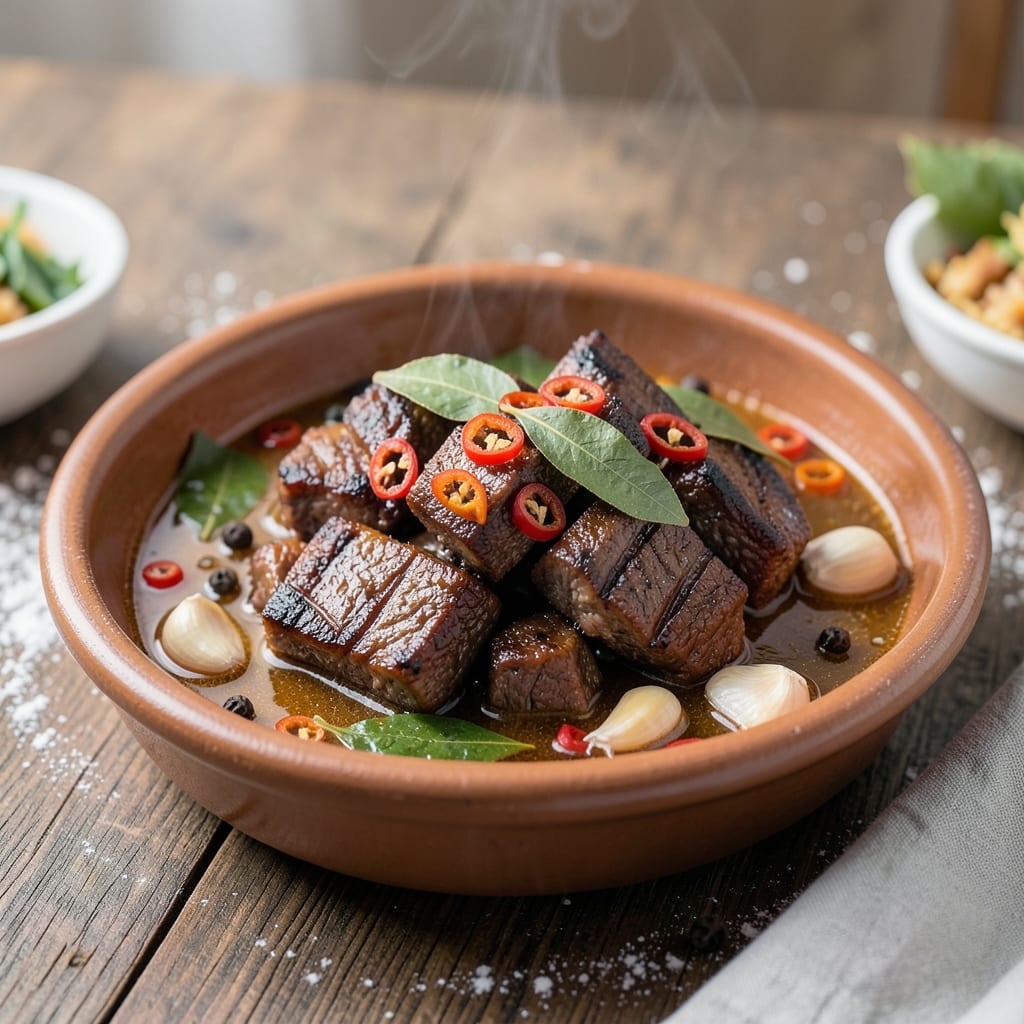
This Filipino-style beef adobo delivers melt-in-your-mouth tenderness with a perfect balance of tangy vinegar and rich soy glaze. The secret lies in slow braising, where beef transforms from tough to fork-tender while absorbing deep, savory flavors. I've perfected this recipe over years of testing—each bite reveals layers of garlic, black pepper, and just the right amount of acidity to cut through the richness.
The beauty of adobo is its simplicity: just a few pantry staples create restaurant-quality results. Quality beef (like chuck or round) becomes impossibly tender when simmered in a mix of vinegar, soy sauce, garlic, and bay leaves. The key is patience—low heat and long cooking time break down the meat while developing complex flavors that make every spoonful irresistible.
What you'll end up with is a dish that's equally at home on weeknight tables or holiday feasts. The beef falls apart with just a fork, coated in a glossy, slightly sticky sauce that's both tangy and umami-rich. Serve it over steamed rice to soak up every last drop, or pair with atchara for a bright contrast that cleanses the palate.
This recipe delivers tender beef every time—no guesswork, no overcooking. The method is foolproof, and the flavors only deepen as it sits. Ready to transform a simple cut of beef into something extraordinary? Let's get started.
Ingredients for beef adobo recipe filipino style
Pantry staples and quality beef transform into restaurant-style Filipino adobo with tender meat and balanced flavors.
| Ingredient | Amount | Notes |
|---|---|---|
| Chuck Roast 🥩 | 2 lb | Cut into 2-inch cubes |
| Cane Vinegar 🍶 | 1 cup | White vinegar substitute |
| Soy Sauce 🍶 | ½ cup | Light or regular variety |
| Garlic Cloves 🧄 | 8 cloves | Peeled and lightly crushed |
| Black Peppercorns 🌶️ | 1 tsp | Coarsely crushed |
| Bay Leaves 🌿 | 2 whole | Dried or fresh |
| Olive Oil 🫒 | 2 tbsp | For searing beef |
| Brown Sugar 🍬 | 2 tbsp | Light or dark |
| Water 💧 | 1 cup | Room temperature |
| Salt 🧂 | 1 ½ tsp | Kosher or sea salt |
| Green Onions 🧅 | 3 whole | Chopped, for garnish |
The beef is non-negotiable here—chuck roast delivers the best texture, with enough fat to stay moist during the long braise. Look for cuts with good marbling at Costco or your local butcher for the best value. If you can't find chuck, round roast works too, but trim excess fat to avoid greasiness. The vinegar should be cane vinegar for authentic flavor, but white vinegar in a pinch won't ruin it. For soy sauce, light soy gives a cleaner taste, while dark soy adds depth (use half the amount).
No cane vinegar? Apple cider vinegar or white vinegar both work, though the flavor will be slightly different. Running low on bay leaves? Dried thyme at half the amount mimics the earthy notes. The brown sugar balances the acidity—coconut sugar is a 1:1 substitute if you prefer. For a deeper color, add 1 tsp molasses to the sauce. The garlic and peppercorns should be lightly crushed (not minced) to avoid bitterness. If you're short on time, garlic powder (1 tsp) + black pepper (½ tsp) works, though fresh is ideal.
This dish tastes even better the next day as flavors meld. Store leftovers in an airtight container in the fridge for up to 5 days or freeze for 3 months. For reheating, simmer on low heat with a splash of water to restore sauce consistency. The sauce thickens as it cools, so add 1-2 tbsp water when reheating. Garnish with chopped green onions just before serving to keep them vibrant—add them earlier, and they'll wilt.
Why You'll Love This Recipe
- One-Pot Magic: That’s all you need—a heavy pot, a chuck roast, and 15 minutes of prep. Between us, the vinegar and soy sauce do most of the work while you sip coffee and pretend you’re not cooking.
- Tangy-Savory Balance: The cane vinegar cuts through the richness of the beef, while the soy sauce adds depth—like a hug in a bowl. Honestly, that first bite of tender meat with the glossy sauce? It’s the kind of thing that makes you text your friends to come over.
- Weeknight to Party: Serve it over rice with a side of steamed veggies for a quick weeknight dinner, or double the batch and bring it to a potluck—no one will guess it’s this unfussy. My daughter’s friends still ask for seconds, and they’re not even Filipino.
- Budget-Friendly Leftovers: A chuck roast stretches for days, and the adobo sauce only gets better after reheating. I’ll be real: I’ve eaten this for lunch three times in a row, and it’s never bored me. Plus, you’re talking pennies per serving here.
Step-by-step instructions for beef adobo Filipino style
A rich, tangy, and deeply flavorful dish where vinegar and soy sauce transform tough chuck roast into melt-in-your-mouth tenderness.
Sear the Chuck Roast for Maximum Flavor
Heat a large Dutch oven over medium-high heat until hot. Add the 2 tablespoons olive oil and swirl to coat the bottom. Working in batches to avoid crowding, add the 2 lb chuck roast cut into 2-inch cubes and sear for 3-4 minutes per side until deeply browned.
This initial searing creates a flavorful crust that forms the foundation of the dish. Don't rush this step—you're building layers of flavor that will develop throughout the cooking process. Once all pieces are browned, transfer them to a plate and set aside.
Build the Adobo Base with Aromatics
In the same Dutch oven, add the 8 cloves garlic cloves and 1 teaspoon coarsely crushed black peppercorns. Cook for 30 seconds until fragrant, stirring constantly to prevent burning. Add the 2 whole bay leaves and cook for another 10 seconds.
The garlic should sizzle and release its aroma, while the peppercorns will add subtle heat. This aromatic base forms the flavor backbone of your adobo. Remove the garlic and peppercorns from the pot and set aside, leaving the bay leaves in the pot for now.
Combine and Simmer the Braising Liquid
Return the seared beef to the Dutch oven. Add the 1 cup cane vinegar, 0.5 cup soy sauce, 2 tablespoons brown sugar, 1.5 teaspoons salt, and 1 cup water. Stir well to combine, scraping up any browned bits from the bottom of the pot.
Bring the mixture to a boil over medium-high heat, then immediately reduce heat to low. Cover and simmer for 2.5 hours, stirring occasionally, until the beef is fork-tender and the sauce has thickened. The liquid should reduce significantly, creating a glossy glaze that coats the beef.
Finish and Adjust the Sauce
Remove the bay leaves from the pot. If the sauce is too thin, uncover the pot and simmer for another 10-15 minutes to reduce it further. Taste and adjust seasoning if needed—you may need to add a bit more salt or soy sauce to balance the flavors.
The beef should be so tender it nearly falls apart with a fork, and the sauce should coat the back of a spoon. If the sauce is too acidic, a small spoonful of brown sugar can help balance the flavors. Remove the pot from heat and let it rest for 10 minutes before serving.
Serve with Fresh Garnish
Transfer the beef and sauce to a serving dish. Garnish with the 3 whole green onions, chopped, and serve immediately. The adobo tastes best when enjoyed fresh, with the tender beef absorbing the rich, tangy sauce.
This dish pairs beautifully with steamed white rice, which soaks up the flavorful juices. The combination of vinegar's tang and soy sauce's umami creates a perfect balance that defines Filipino comfort food.
Pro Tips For Making Beef Adobo Recipe Filipino Style
- Sear the Chuck Hard: The first 5 minutes in a screaming-hot pan with oil are non-negotiable—this isn’t a gentle simmer starter. A deep, crusty brown base locks in flavor and prevents the meat from turning mushy later, especially with tougher cuts like chuck. (Yes, even if you’re impatient like me.)
- Use Whole Garlic Cloves: Peeling and mincing garlic is a hassle, but tossing in 8–10 whole cloves (smashed lightly) lets them infuse the sauce without turning it into a paste. They’ll soften and release flavor without overpowering the adobo’s balance—just fish them out before serving. (Your future self will thank you.)
- Simmer Low and Slow: After the initial sear and vinegar deglaze, drop the heat to a gentle simmer. Too much boil = a watery, thin sauce. Cover the pot and let it cook at 180–200°F (82–93°C) for 2–3 hours, stirring occasionally, until the meat shreds easily. (This isn’t a race; patience here makes the dish.)
- Balance Vinegar and Soy: Start with a 1:1 ratio of cane vinegar to soy sauce (e.g., 1 cup each), then taste as it cooks. If the sauce tastes too sharp, add a splash of water or a pinch of sugar to round it out. If it’s flat, a dash more vinegar cuts through the richness. (Your taste buds will notice the difference.)
Health benefits of this recipe
Protein Powerhouse
Beef adobo delivers a high-protein punch with every serving—about 50 grams of protein per 6-ounce portion, making it perfect for muscle repair and satiety. The slow-braising process preserves all the amino acids while breaking down tough muscle fibers into tender bites. I find this especially helpful for post-workout meals when I need quick recovery fuel. 💪
Rich in Iron
The beef in this dish provides iron—about 3.5mg per serving—which supports healthy blood circulation and energy levels. Pairing it with the vinegar in the sauce actually enhances iron absorption, making this a smart choice for anyone watching their iron intake. I notice my energy levels stay steady when I include this in my weekly meals.
Vitamin B Boost
Adobo's sauce contains B vitamins from soy sauce and garlic, particularly B6 and B12, which are crucial for brain function and metabolism. These nutrients help convert food into energy and support nerve health. The garlic in this recipe also provides vitamin C, which aids in collagen production for skin health.
Low-Calorie Comfort
Despite its rich flavors, beef adobo is surprisingly moderate in calories—around 350 calories per serving—when prepared with lean cuts like chuck roast. The vinegar and soy sauce add depth without significant calories, making it a guilt-free indulgence. I love that I can enjoy this hearty dish without worrying about empty calories.
Antioxidant Benefits
The garlic and black peppercorns in this recipe are packed with antioxidants that combat inflammation and oxidative stress. Garlic contains allicin, which has been shown to support heart health, while black pepper adds piperine, a compound that boosts nutrient absorption. The combination makes this dish not just delicious, but also a healthful choice. 🌿
Digestive Aid
The vinegar in adobo aids digestion by stimulating stomach acid production, helping break down proteins more efficiently. The slow-cooked beef also becomes easier to digest, making this dish gentle on the stomach while still being satisfying. I've found it's a great option for family gatherings where digestive comfort matters.
Nutrition facts
Frequently asked questions
Can I use a different cut of beef for this recipe?
Yes, but chuck roast is ideal for its fat content and flavor. For leaner options, try round roast (trim excess fat) or short ribs (add 10 minutes to cooking time). Avoid overly lean cuts like sirloin—they won't become tender. If using pre-cut stew meat, increase cooking time by 20-30 minutes to ensure tenderness.
What if my sauce is too acidic or too salty?
Balance overly acidic sauce with 1-2 teaspoons brown sugar or a pinch of baking soda (just a tiny amount!). For saltiness, add 1-2 tablespoons water and simmer 5 minutes to dilute. If the sauce is too thin, remove the lid and simmer uncovered for 10-15 minutes to thicken. Taste as you go—adjust gradually!
Can I make beef adobo in a slow cooker?
Brown the beef first in a skillet, then transfer everything to the slow cooker. Cook on low for 6-7 hours or high for 3-4 hours. The slow cooker's gentle heat ensures tender beef without monitoring. Just add 1/4 cup water if the sauce gets too thick during cooking.
How do I store and reheat leftovers?
Store in an airtight container in the fridge for up to 5 days or freeze for 3 months. To reheat, simmer on low heat with 1-2 tablespoons water until hot. For microwave reheating, cover and heat for 2-3 minutes on medium power. The sauce may thicken when cold—add a splash of water or vinegar to restore consistency.
What are the best sides to serve with beef adobo?
Steamed white rice is classic, but try garlic fried rice, atchara (pickled papaya), or sautéed green beans for contrast. For a heartier meal, add garlic toast or mashed potatoes. The tangy adobo pairs well with mild, starchy sides that soak up the sauce—just avoid overly sweet or creamy dishes that clash with the vinegar.