
Main Courses
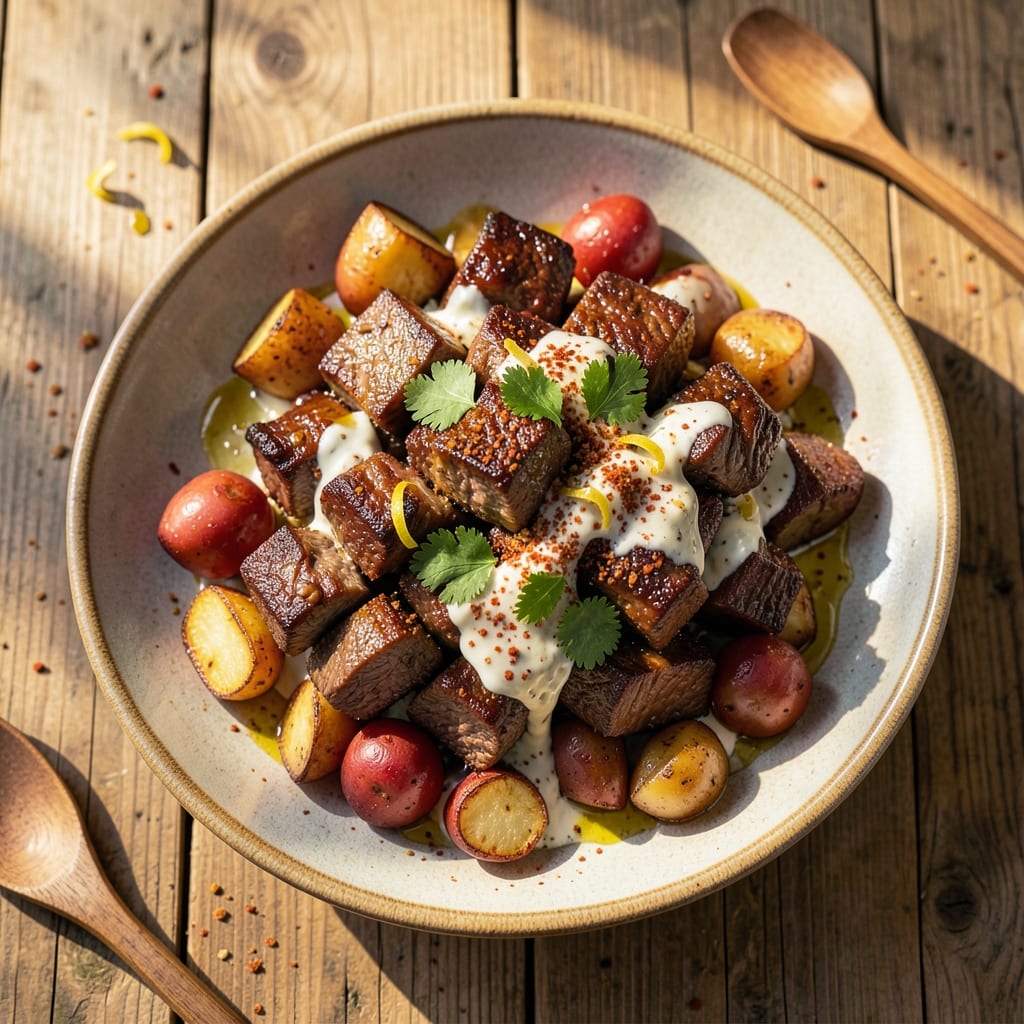
This beef achar gosht recipe transforms tough beef into melt-in-your-mouth tenderness through slow braising—a technique rooted in Kashmiri culinary tradition. The dish marries rich spices with tender potatoes, creating a hearty, aromatic stew that pairs perfectly with steamed basmati rice or warm naan. What sets this recipe apart is the balance of heat and depth, achieved through careful layering of spices and patient cooking.
The process begins with marinating the beef in a blend of yogurt, ginger, garlic, and aromatic spices like cinnamon and cardamom, which tenderize the meat and infuse it with flavor. As the beef simmers slowly, the spices meld into a fragrant broth that coats every bite, while potatoes absorb the rich, spiced liquid. This method ensures the beef remains juicy and flavorful, rather than drying out.
By the time the dish is complete, you’ll have a dish that’s both comforting and complex—where the spices sing and the textures contrast beautifully between tender beef and creamy potatoes. The aroma alone will draw everyone to the table, and each bite delivers layers of warmth and depth that define this classic dish.
Perfect for family gatherings or cozy weeknight dinners, this recipe honors tradition while adapting to modern kitchens. The slow-cooked approach makes it ideal for meal prep, allowing flavors to deepen over time. Here’s how to bring this timeless dish to life.
Ingredients for beef achar gosht
Rich spices, tender beef, and potatoes create this aromatic Kashmiri masterpiece.
| Ingredient | Amount | Notes |
|---|---|---|
| Beef Chuck Roast 🥩 | 2 lb | Cut into 2-inch cubes |
| Plain Yogurt 🥛 | 1 cup | Full-fat preferred |
| Ginger Root 🧄 | 1 tbsp | Freshly grated |
| Garlic Cloves 🧄 | 6 cloves | Minced finely |
| Red Potatoes 🥔 | 1 ½ lb | Cut into chunks |
| Ground Cumin 🌿 | 1 tbsp | Toasted for depth |
| Ground Coriander 🌿 | 1 tbsp | Freshly ground preferred |
| Cinnamon Sticks 🌿 | 2 whole | For infusion |
| Green Cardamom Pods 🍃 | 6 whole | Lightly crushed |
| Black Cardamom Pods 🍃 | 2 whole | For smoky depth |
| Kashmiri Red Chili Powder 🌶️ | 1 ½ tbsp | Adjust for heat |
| Turmeric Powder 🌿 | ½ tsp | Bright yellow color |
| Garam Masala 🌶️ | 1 tbsp | Store-bought or homemade |
| Vegetable Oil 🫒 | ½ cup | High smoke point |
| Salt 🧂 | 1 ½ tsp | Kosher or sea salt |
The beef is the heart of this dish, so choose chuck roast—its fat content melts into the sauce, keeping everything moist. Indian grocery stores often carry pre-cut beef for achar gosht, but any butcher will work. Look for well-marbled meat with visible fat. The yogurt should be plain and full-fat (Greek or regular) for the best texture. For spices, spice shops offer authentic Kashmiri red chili powder and cardamom—worth the splurge if you can find them. If not, regular ground spices work fine, though the flavor will be slightly different.
No full-fat yogurt? Substitute with coconut yogurt or a mix of plain yogurt and cream. Short on cardamom? Cinnamon and nutmeg at half the amount mimic the warmth. The potatoes can be swapped for baby potatoes if you prefer a more rustic texture. For extra depth, toast the cumin and coriander in the oil until fragrant—this step makes all the difference. If you can't find Kashmiri red chili powder, paprika plus a pinch of cayenne works in a pinch.
This dish tastes even better the next day as flavors meld. Store leftovers in an airtight container in the fridge for up to 5 days. For longer storage, freeze portions for 3 months. The sauce thickens as it cools, so add a splash of water when reheating. Serve with steamed basmati rice or warm naan—traditional pairings that soak up every bit of the rich, spiced sauce.
Why You'll Love This Recipe
- One-Pot Magic: I swear by this—just toss everything in one deep pan, let it simmer, and walk away. No chopping boards to clear, no extra pots to wash. The yogurt thickens into a luscious gravy while the potatoes soak up all the garlic-ginger goodness right alongside the beef.
- Tender Every Bite: That beef chuck roast? It practically melts in your mouth after hours of slow cooking. The yogurt keeps it juicy, while the ginger and garlic add layers of warmth—like a hug in a bowl. Honestly, the kind of dish that makes you groan with satisfaction.
- Weeknight Workhorse: Between us, this is my go-to when I’ve got friends over or just need to feed the family without stress. It’s hearty enough for a dinner party but simple enough for a Tuesday. (Yes, even on a Tuesday night.) The leftovers? Even better the next day, if that’s possible.
- Budget-Friendly Feast: A big cut of beef chuck stretches across multiple meals, and yogurt is one of the cheapest ingredients that still feels luxurious. I’ll be real: this recipe saved me from takeout more times than I can count. Plus, the potatoes bulk it up so you’re not just eating meat—you’re getting a full, satisfying plate.
Step-by-step instructions for beef achar gosht
Transform tough beef into tender, aromatic perfection with this slow-braised technique.
Marinate the Beef for Deep Flavor
In a large bowl, combine the 2 lb Beef Chuck Roast cut into 2-inch cubes with the 1 cup Plain Yogurt, 1 tbsp Ginger Root (freshly grated), 6 cloves Garlic Cloves (minced), 1 tbsp Ground Cumin, 1 tbsp Ground Coriander, 1.5 tbsp Kashmiri Red Chili Powder, 0.5 tsp Turmeric Powder, and 1.5 tsp Salt. Mix thoroughly until every piece is evenly coated.
Cover the bowl and refrigerate for at least 4 hours or overnight. This marinade works two ways—it tenderizes the beef through the yogurt's lactic acid while infusing it with complex spices. The longer it marinates, the deeper the flavor, so don't rush this step. I've found that overnight marination yields the most tender results.
Sear the Beef for Rich Depth
Heat the 0.5 cup Vegetable Oil in a heavy-bottomed Dutch oven over medium-high heat until shimmering. Remove the beef from the marinade (reserve the marinade) and pat dry with paper towels. This step is crucial—wet beef will steam instead of sear.
Working in batches to avoid crowding, add the beef to the oil and sear for 3-4 minutes per side until deeply browned. You're looking for a rich, caramelized crust that will form the flavor base for your dish. Once all pieces are browned, remove them and set aside. The residual oil will carry all that beautiful color into your sauce.
Build the Spice Base and Add Potatoes
In the same Dutch oven, reduce heat to medium and add the reserved marinade. Let it simmer for 3-4 minutes until slightly thickened. Then add the 2 whole Cinnamon Sticks, 6 whole Green Cardamom Pods, and 2 whole Black Cardamom Pods. These whole spices will infuse subtle, aromatic notes throughout the cooking process.
Add the 1.5 lb Red Potatoes cut into chunks and stir gently to coat them with the marinade. The potatoes will absorb all those beautiful flavors while cooking. Bring to a gentle simmer and cover partially. This step is where the magic happens—the spices steep while the potatoes begin to soften without overcooking.
Slow-Braise for Tender Perfection
Return the seared beef to the Dutch oven, spooning the marinade over the top. Add 1 tbsp Garam Masala and 1 cup water—this isn't a typo, we're using the full cup to ensure proper braising liquid. Cover tightly and transfer to a preheated 300°F oven.
Braise for 2.5-3 hours until the beef is fork-tender and the potatoes are fully cooked. The low temperature ensures the beef becomes melt-in-your-mouth tender while the potatoes develop a creamy texture. I check for doneness by piercing the largest beef piece—it should slide off the fork with minimal resistance. The sauce should be thick and rich, coating everything beautifully.
Finish and Adjust Seasoning
Once tender, remove the cinnamon sticks and cardamom pods. Taste the sauce and adjust seasoning with additional salt if needed. The Kashmiri red chili powder should provide a gentle warmth, but you can add a pinch more if you prefer more heat. The dish should balance sweet, spicy, and savory notes perfectly.
Serve immediately with steamed basmati rice or warm naan. The beef should be so tender it nearly falls apart at the touch, while the potatoes remain firm enough to hold their shape. This dish tastes even better the next day as the flavors continue to meld, so consider making extra for leftovers—just reheat gently with a splash of water to maintain moisture.
Pro Tips For Making Beef Achar Gosht
- SEAR THE BEEF FIRST: Hit that chuck roast with a screaming-hot pan until it’s deep brown—don’t skimp on the 3-4 minutes per side. The Maillard reaction here isn’t just for looks; it builds the flavor foundation the yogurt marinade will cling to later. (Yes, even if you’re tempted to rush it.)
- GRATE NOT CHOP GINGER: Skip the mincer—grate fresh ginger fine enough to dissolve into the yogurt marinade. Chopped bits sit like sand in your sauce, and pre-minced ginger (even from the jar) lacks the bright punch. Trust me, your tongue will notice the difference.
- POTATOES LAST 15 MINUTES: Toss the potatoes in with the beef only when the meat’s nearly done—about 15 minutes in. They’ll soak up the rich sauce without turning to mush, and you’ll avoid the sad, watery potatoes that ruin the dish. (Pro move: Parboil them first for 5 minutes if you’re worried.)
- STRAIN THE YOGURT: Drain the yogurt in a cheesecloth for 10 minutes before mixing it with spices. The excess whey makes the marinade watery, and the thicker yogurt clings better to the beef. (I know it’s extra work, but the texture change is worth it.)
Troubleshooting this recipe
Beef Too Tough?
If your beef remains tough after braising, you likely didn’t marinate long enough or used the wrong cut. Chuck roast is ideal—its fat content melts during cooking. For extra tenderness, try marinating for overnight (12+ hours) with yogurt, which breaks down muscle fibers. If using a leaner cut like sirloin, reduce cooking time by 30 minutes to prevent dryness. 🔥
Sauce Too Thin?
A watery sauce usually means insufficient reduction time. After braising, simmer uncovered on the stovetop for 10-15 minutes to thicken. For instant fixes, mix 1 tsp cornstarch with 2 tbsp water, stir into the sauce, and cook for 2-3 minutes until glossy. Avoid adding too much water during cooking—stick to 1 cup max for proper braising.
Spices Overpowering?
Kashmiri red chili powder and cardamom can dominate if not balanced. Start with ½ tsp less of the chili powder and add black pepper (½ tsp) to enhance flavor without heat. For a milder taste, use white potatoes instead of red—they absorb less spice. Taste as you go and adjust gradually; it’s easier to add more spice than remove it.
Potatoes Mushy?
Overcooked potatoes lose texture because they absorb too much liquid. To fix this, add potatoes 15 minutes before the beef is fully tender. For firmer results, parboil them for 5 minutes before adding to the Dutch oven. If already mushy, drain excess sauce and reheat separately with a splash of water to restore texture.
Meat Dry After Reheating?
Reheating leftovers too quickly dries out the beef. Always reheat covered on low heat with 2 tbsp water or broth to restore moisture. For microwave reheating, use 50% power for 2-3 minutes, then let rest for 5 minutes before serving. Store leftovers in an airtight container to preserve juices overnight.
Flavor Fading?
If the dish tastes bland after reheating, the spices likely lost potency. Boost flavor by adding ½ tsp fresh ginger juice or a pinch of garam masala before serving. For extra depth, finish with a drizzle of lemon juice (1 tbsp) or a sprinkle of toasted cumin. Fresh herbs like cilantro or parsley also brighten the dish instantly. 💫
Nutrition facts
Frequently asked questions about beef achar gosht
Can I use lean beef instead of chuck roast?
Lean cuts like sirloin or flank steak won't work as well—they lack the fat needed for tenderizing during slow cooking. For best results, stick with chuck roast or ribeye. If you must use lean beef, marinate it for overnight and reduce braising time by 30 minutes to prevent dryness.
What's the difference between Kashmiri and Punjabi achar gosht?
Kashmiri achar gosht uses Kashmiri red chili powder (milder, sweeter) and more whole spices like green cardamom, while Punjabi versions often include more ginger, garlic, and sometimes fenugreek leaves. The Kashmiri version is typically creamier due to yogurt and potatoes, while Punjabi styles may include tomatoes or tamarind for tanginess.
How do I make this dish spicier?
For extra heat, add ½ tsp cayenne pepper to the marinade or 1 tsp Kashmiri chili powder—this isn't the same as regular chili powder! For a smoky kick, include 1 tsp smoked paprika in the braising liquid. Always taste before serving—spices build up during cooking.
Can I prepare this ahead of time?
This dish actually tastes better the next day! Store leftovers in an airtight container in the fridge for up to 5 days. Reheat gently on low heat with 2 tbsp water to restore moisture. For freezer storage, portion into containers and freeze for 3 months—thaw overnight in the fridge.
What's the best way to serve this dish?
Traditional pairings include steamed basmati rice, warm naan, or roti to soak up the rich sauce. For extra freshness, serve with a side of cucumber raita (yogurt with grated cucumber and mint) or a simple green salad. The dish is hearty enough to be a complete meal on its own.