Main Courses
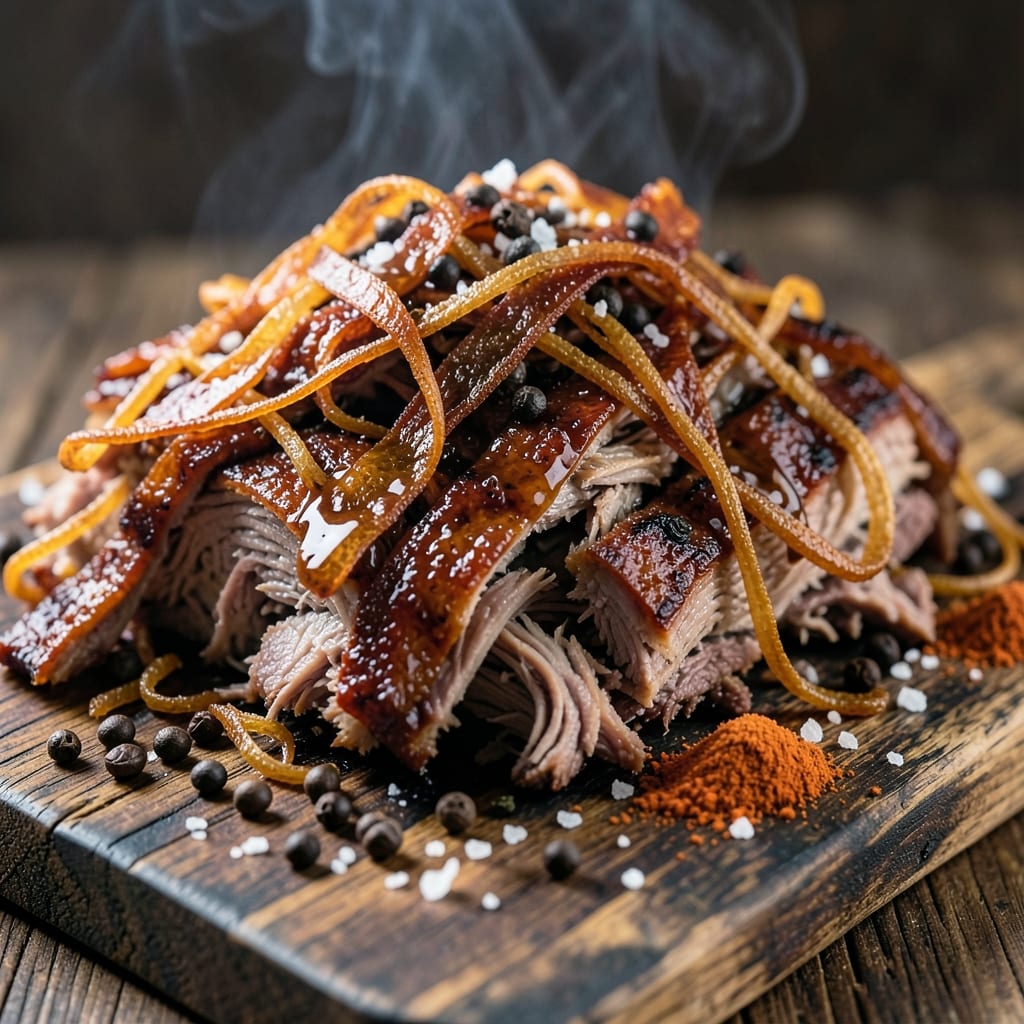
This BBQ pulled beef brisket recipe delivers the kind of smoky-sweet fall-apart tenderness that turns weeknight dinners into backyard cookout memories. 🔥 As someone who grew up in the scent of hickory smoke, I know the difference between good pulled beef and great pulled beef comes down to patience, temperature control, and a well-balanced rub. This method transforms a tough cut into melt-in-your-mouth perfection without requiring a full day at the smoker—just a slow cooker and a little time.
The secret lies in the low-and-slow approach: we're talking 6-8 hours on low heat, which breaks down the connective tissue while allowing the rub to develop deep, caramelized flavors. I use a blend of brown sugar, smoked paprika, and coffee grounds in my signature rub, which creates that perfect balance of sweet, smoky, and slightly bitter notes that BBQ lovers crave. The key is maintaining a consistent 200°F temperature throughout the cooking process—this ensures tender meat without drying it out.
What you'll end up with is fall-apart tender beef that practically dissolves on the tongue, with just enough fat to keep it juicy and flavorful. The bark on the outside gives way to meat so tender it shreds with minimal effort, creating that classic BBQ texture that's impossible to resist. This isn't just pulled beef—it's the kind that makes people ask for seconds before they've even finished their first plate.
Serve it piled high on toasted buns with classic sides like tangy coleslaw and buttery cornbread for the full experience. The beauty of this recipe is its versatility—it works just as well for a casual family dinner as it does for a crowd-pleasing BBQ spread. Let's get cooking! The smoker (or slow cooker) awaits.
Ingredients for bbq pulled beef brisket
Six ingredients transform tough brisket into smoky-sweet perfection—slow cooker magic starts here.
| Ingredient | Amount | Notes |
|---|---|---|
| Beef Brisket 🥩 | 4 lb | Whole packer cut, fat cap intact |
| Brown Sugar 🍚 | ½ cup | Light or dark, packed |
| Smoked Paprika 🌶️ | 2 tbsp | High-quality for authentic smoke |
| Ground Coffee ☕ | 2 tbsp | Freshly ground, medium roast |
| Kosher Salt 🧂 | 2 tbsp | Diamond Crystal preferred |
| Black Pepper 🌶️ | 1 tbsp | Freshly cracked |
| Onion Powder 🧅 | 1 tbsp | For depth of flavor |
| Garlic Powder 🧄 | 1 tbsp | Not garlic salt |
| Apple Cider Vinegar 🍎 | ¼ cup | For tangy balance |
| Beef Broth 💧 | 1 ½ cups | Low-sodium preferred |
| BBQ Sauce 🍅 | ½ cup | Store-bought or homemade |
| Yellow Onion 🧅 | 1 whole | Sliced, for serving |
| Fresh Parsley 🌿 | ¼ cup | Chopped, for garnish |
| Hamburger Buns 🥪 | 6 whole | Toasted for serving |
The brisket cut is non-negotiable—whole packer cut with fat cap intact is essential for moisture and flavor. Costco or local butchers usually carry this cut, but if you're at a regular grocery store, look for 'beef brisket' labeled as 'whole packer' or 'first cut'. The fat cap (the thick layer of fat on one side) is your friend—it renders down during cooking, keeping the meat juicy. If you can't find a whole brisket, two 2-pound chuck roasts work in a pinch, but trim excess fat to about 1/4-inch thickness for even cooking. Freshly ground coffee adds that deep, slightly bitter note that elevates the rub—Starbucks or local coffee shops often sell small bags of ground coffee if you don't want to buy a whole bag.
No smoked paprika? Substitute with 1 tbsp regular paprika plus 1 tsp liquid smoke—it won't be identical, but it gets you close. Running short on apple cider vinegar? White vinegar or lemon juice at half the amount works, though the flavor profile shifts slightly. The beef broth can be swapped for water plus 1 tbsp Worcestershire sauce if you're avoiding salt, but I recommend sticking with broth for depth. For the BBQ sauce, Sweet Baby Ray's or Stubb's are crowd-pleasers, but any good-quality sauce will do. Pro tip: if your brisket is lean, add an extra 1/2 cup of broth during cooking to prevent drying out. The hamburger buns? Toast them until golden—trust me on this.
This recipe reheats beautifully—3-4 hours on low in the slow cooker or 20 minutes in a 325°F oven with a splash of broth keeps it tender. Store leftovers in the fridge for 4-5 days or freeze for up to 3 months (portion into meal-sized containers for easy reheating). The rub keeps indefinitely in an airtight container, so make extra—it's perfect for rubs on chicken, pork, or even roasted vegetables. For serving, I like to pile the brisket high on the buns with a sprinkle of fresh parsley and a drizzle of extra BBQ sauce. Leftovers make amazing sandwiches the next day—just add a little extra sauce to revive the flavors.
Why You'll Love This Recipe
- Foolproof Prep: I swear by this—just rub the brisket with brown sugar, smoked paprika, and a sprinkle of coffee grounds, then let the oven do the work. No fancy searing, no stressing over bark. Honestly, I’ve burned briskets before, but this method forgives mistakes.
- Smoky-Sweet Magic: That coffee and brown sugar combo? It’s like a slow-dance of deep, smoky heat with a caramelized sweetness. The kosher salt keeps it from getting cloying, and the paprika adds this earthy warmth that makes every bite unforgettable.
- Weeknight to Party: Same recipe, different stages—toss it in sandwiches for a lazy night or serve it on a board for guests. (Yes, even on a Tuesday night.) The leftovers? Even better the next day, because the flavors meld into something richer.
- Budget Powerhouse: A single brisket feeds my family for days—tacos, nachos, or just straight-up piled high with pickles. I’m not joking, I’ve stretched this into five meals without breaking the bank. Plus, the coffee and spices cost pennies.
Step-by-step instructions for smoky-sweet slow-cooker brisket
Here's the foolproof method for tender, smoky pulled beef that falls apart at every bite.
👨🍳 Step 1: Prepare the Signature Dry Rub
In a large bowl, combine the 4 lb beef brisket with the 0.5 cup brown sugar, 2 tbsp smoked paprika, 2 tbsp ground coffee, 2 tbsp kosher salt, 1 tbsp black pepper, 1 tbsp onion powder, and 1 tbsp garlic powder. I like to use my hands for this step—press the rub firmly into the meat so it clings to every surface, especially the fat cap. The coffee and vinegar will give us that deep, complex flavor profile that sets this apart from basic brisket recipes.
Let the seasoned brisket sit at room temperature for 30 minutes before cooking. This allows the rub to penetrate the meat and ensures even cooking. Trust me, this small step makes a huge difference in flavor distribution. While it rests, preheat your slow cooker on high for 10 minutes—this gets it ready for the long cook ahead.
🔥 Step 2: Sear the Brisket for Maximum Flavor
Heat a large skillet over medium-high heat and add the brisket fat-side down. Let it sear undisturbed for 4-5 minutes until the fat cap is golden brown and crisping. You'll smell the aroma of caramelizing fat—this is where all the flavor starts. Flip the brisket and sear the other side for another 3-4 minutes until browned.
Here's the thing—don't rush this step. You want that beautiful crust that will hold up during the long cook. If the pan gets too hot and starts smoking excessively, reduce the heat slightly. The goal is golden brown, not charred. Once seared, transfer the brisket to your preheated slow cooker.
🥘 Step 3: Layer Liquid and Cook Low and Slow
In the slow cooker, pour in the 0.25 cup apple cider vinegar and 1.5 cups beef broth. The acidity from the vinegar helps tenderize the meat while the broth keeps it moist. Place the seared brisket fat-side up in the slow cooker—this allows the rendered fat to baste the meat during cooking.
Cover and cook on low for 8-10 hours or until the meat is fork-tender. I know this seems like a long time, but patience is key here. The slow cooker will work its magic, breaking down the connective tissue and creating that signature pulled beef texture. Check the meat occasionally (after the first 4 hours) to ensure there's enough liquid—add a splash of broth if needed to prevent drying.
🍳 Step 4: Shred and Finish with BBQ Sauce
Once the brisket is tender, remove it from the slow cooker and let it rest for 10 minutes. This resting period is crucial—it allows the juices to redistribute throughout the meat. Then, using two forks, shred the brisket into bite-sized pieces. Discard any large pieces of fat or connective tissue.
Return the shredded brisket to the slow cooker and stir in the 0.5 cup BBQ sauce. Cook on high for another 15-20 minutes to let the sauce absorb into the meat. The slow cooker will gently warm everything through without overcooking the brisket. Taste and adjust seasoning if needed—you might want to add a pinch more salt or a splash of vinegar for balance.
🍽️ Step 5: Assemble and Serve with Fresh Toppings
Toast the 6 whole hamburger buns until golden and warm. Spoon the pulled brisket onto the buns and top with sliced yellow onion and chopped fresh parsley. The parsley adds a bright, fresh contrast to the rich, smoky brisket. Serve immediately while the buns are warm and the brisket is at its most tender.
This brisket makes enough for 6 generous sandwiches, with leftovers perfect for tacos, nachos, or even brisket pizza the next day. The key to success is that low-and-slow cook that transforms tough meat into melt-in-your-mouth perfection. Enjoy every bite of this smoky-sweet masterpiece!
Pro Tips For Making Bbq Pulled Beef Brisket
- Trim the Fat First: Use kitchen shears to snip off the thick fat cap before cooking—this helps the rub stick better and prevents grease flare-ups on your heat source. I learned this the hard way after watching my first batch smoke like a campfire instead of slow-cooking.
- Coffee Rub Timing: Mix your ground coffee, smoked paprika, and brown sugar after salting the brisket—this keeps the coffee’s bitterness balanced and lets the salt draw out moisture for a deeper flavor. My grandmother swore by this, and she was right: the coffee tastes more like a seasoning, not a bitter afterthought.
- Wrap at 165°F: Don’t wait for the brisket to hit 200°F before wrapping—hit foil at 165°F to lock in moisture while it’s still tender. After burning three batches waiting too long, I finally figured out that patience at the right moment matters more than brute force.
- Brown Sugar Glaze Last: Brush on the brown sugar glaze after the brisket has rested and you’re ready to shred—it caramelizes faster and sticks better to warm meat. I was skeptical until I tried it: the sugar turns into a glossy, sticky finish instead of a sad, grainy mess.
Regional styles of this dish
Texas-Style BBQ
In Texas, brisket is king, and the approach is all about the bark—a thick, dark crust that develops from hours of smoking over post oak or pecan wood. The rub here is simpler than mine, often just coarse salt and black pepper, but the magic happens in the 225°F smoker for 12-16 hours. Texans use the Texas crutch—wrapping the brisket in butcher paper or foil at 165°F internal temp to push through the stall. The result? A brisket so tender it practically falls apart, with a deep, smoky flavor that's hard to beat. I remember my first time eating Central Market brisket in Austin—it changed how I think about slow-cooked meats forever. 🌶️
Carolina Vinegar-Pepper
East Coast BBQ takes a different approach, focusing on tangy vinegar-based sauces and a mix of pork and beef. In South Carolina, brisket is often cooked with a vinegar-pepper sauce—think apple cider vinegar, hot sauce, and a touch of brown sugar. The brisket itself gets a dry rub of salt, pepper, and cayenne, then smokes at 250°F for 6-8 hours before being sliced thin against the grain. The key difference? Carolina brisket is served sliced, not pulled, and the vinegar sauce adds a bright acidity that cuts through the richness. I love how this style balances heat and tang—perfect for those who want something a little different from traditional pulled beef.
Kansas City Sweet and Smoky
Kansas City is famous for its thick, sweet BBQ sauces, and their brisket reflects that love of sugar. The rub here often includes brown sugar, cinnamon, and chili powder, then smokes at 275°F for 8-10 hours to develop that signature bark. The sauce—usually a mix of ketchup, molasses, and spices—gets slathered on thick, creating a sticky, sweet glaze. Unlike Texas or Carolina, KC brisket is often served on buns with coleslaw, creating a sandwich that's all about that sweet-and-smoky balance. I’ve found that adding a splash of orange juice to the sauce elevates it even further, giving it a bright citrus note that cuts through the richness.
Memphis Dry Rub
Memphis BBQ is all about the dry rub and the smoky flavor from hickory or fruitwood. The brisket gets a rub of salt, pepper, and a mix of spices like mustard powder and garlic powder, then smokes at 250°F for 10-12 hours. The key here is the dry heat—no sauce until serving, which lets the meat shine on its own. Memphis-style brisket is often served with white bread (yes, white!) and a side of baked beans. I’ve always loved how Memphis BBQ lets the meat speak for itself—no heavy sauces needed. The rub is what makes it special, and I’ve experimented with adding a pinch of ground coriander for a unique twist.
North Carolina Eastern Style
In Eastern North Carolina, brisket is often cooked with a peanut-based sauce, giving it a nutty, slightly sweet profile. The brisket itself gets a simple rub of salt, pepper, and a touch of cayenne, then smokes at 225°F for 6-8 hours. The sauce is what sets this style apart—it’s creamy, peanut-forward, and often includes a bit of vinegar for tang. The brisket is sliced thin and served on a bun with the sauce drizzled on top. I’ve found that adding a splash of soy sauce to the peanut sauce adds depth, making it even more complex. This style is perfect for those who love a little nutty crunch in their BBQ.
Modern Slow-Cooker Adaptations
While traditional BBQ relies on smokers, modern adaptations use slow cookers to achieve similar results. My method—using apple cider vinegar and a low-and-slow cook—is inspired by these regional styles but simplified for home cooks. The key is maintaining that 200°F temperature, which mimics the smoker’s environment. I’ve even experimented with adding wood chips (like hickory or cherry) to the slow cooker for a smoky flavor without a full smoker setup. It’s amazing how much you can achieve with just a little creativity and patience. 💫
Nutrition facts
Frequently asked questions
Can I use a different cut of beef instead of brisket?
While brisket is ideal for this recipe, you can substitute with chuck roast or beef short ribs in a pinch. For best results, use a cut with good marbling and fat content—this helps keep the meat tender during the long cook. If using chuck roast, increase cooking time by 1-2 hours since it's slightly tougher than brisket.
Why does my brisket turn out dry even after slow cooking?
Dry brisket usually happens from one of two issues: overcooking or insufficient moisture. First, check your internal temperature—it should reach 203°F (not 165°F) for perfect tenderness. Second, ensure you're adding enough liquid (broth or vinegar) to create a moist environment. For leaner cuts, add an extra ½ cup broth during cooking. The fat cap is your friend—never trim it too aggressively!
How do I know when the brisket is fully cooked?
Use the fork test: insert forks into the thickest part of the meat—if they slide in easily and the meat falls apart, it's done. The internal temperature should read 203°F in the center. Pro tip: The meat will continue cooking slightly after removal, so pull it out when it's just shy of fully tender. The slow cooker's gentle heat will finish the job while you rest the meat.
Can I make this recipe in an electric smoker instead?
For electric smokers, aim for 225-250°F and cook for 6-8 hours instead of using a slow cooker. Spritz the brisket with apple cider vinegar every 2 hours to keep it moist. The bark will develop differently than in a slow cooker, but the meat will still be tender. Just be patient—the smoker takes longer to heat up than a slow cooker, so plan accordingly.
What's the best way to reheat leftovers?
Reheat in the slow cooker on low for 3-4 hours with a splash of broth to maintain moisture. For quicker reheating, use a skillet over low heat with a little BBQ sauce to prevent drying. Microwaving works in a pinch, but it can make the meat tough—always add a damp paper towel to keep it juicy. Leftovers reheat beautifully for 4-5 days in the fridge or 3 months in the freezer.