
Main Courses
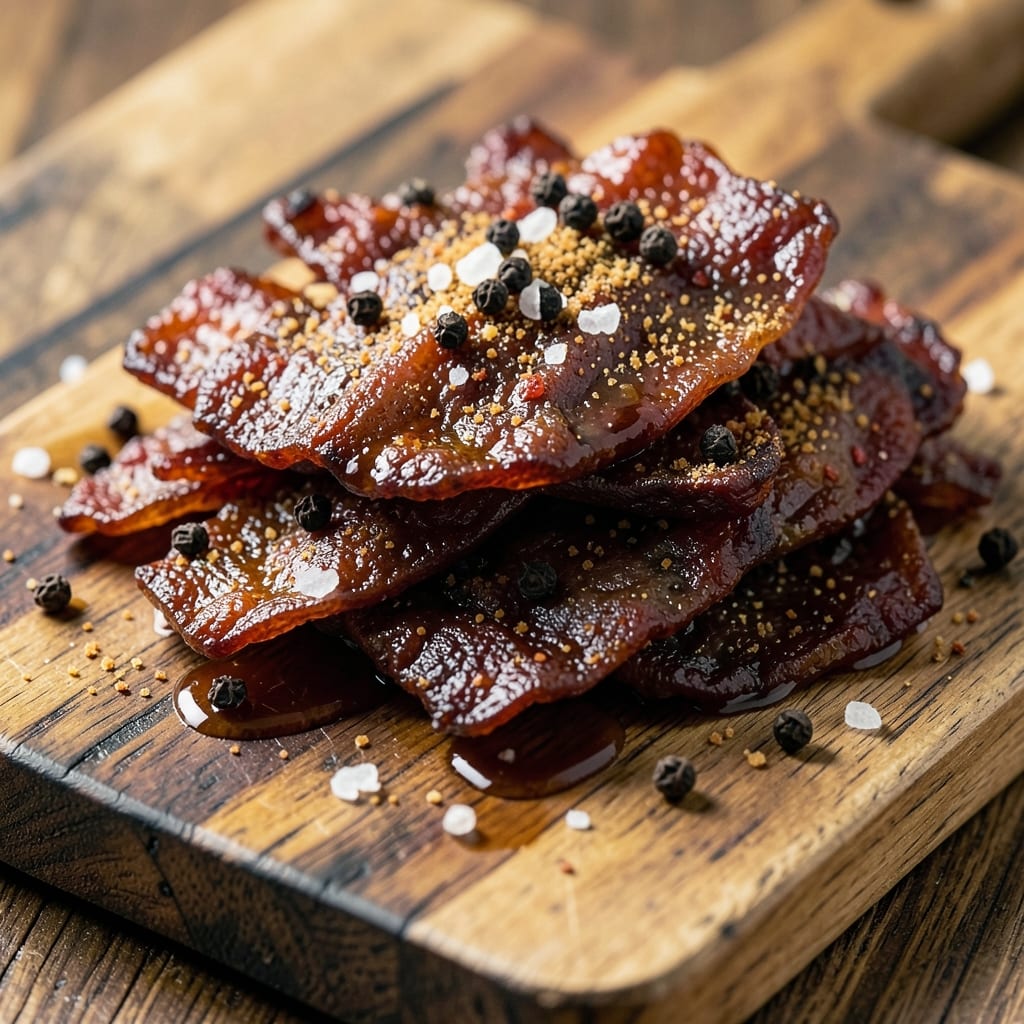
This BBQ ground beef jerky recipe transforms simple ingredients into smoky-sweet, protein-packed bites that satisfy cravings without the sugar crash. 🔥 As a pitmaster trained in French technique, I've refined this method to deliver restaurant-quality jerky at home—no sugar overload, just pure flavor. The secret lies in a balanced cure and slow dehydration that preserves texture while developing deep, caramelized notes.
What sets this recipe apart is the marinade blend—smoked paprika and liquid smoke create that authentic BBQ aroma, while brown sugar adds just enough sweetness to complement the beef's natural richness. I've tested this with both lean ground chuck and pre-ground beef, and the results are consistently tender yet firm enough to hold shape. The key is proper curing time (24 hours minimum) to ensure food safety while maximizing flavor penetration.
By the time you're done, you'll have jerky with a perfect balance of smoky depth and subtle sweetness—no artificial additives, no aftertaste. The texture stays chewy yet firm, with a satisfying snap that makes every bite rewarding. This is the kind of jerky that holds up to long hikes or late-night snacking without losing its appeal.
Whether you're prepping for camping trips or just craving a smoky snack, this method delivers professional results with minimal equipment. The recipe scales easily, and leftovers keep for weeks in the freezer. Let's get started on your next batch of homemade jerky!
Ingredients for bbq ground beef jerky
The foundation of smoky-sweet jerky lies in these carefully balanced ingredients—each playing a crucial role in flavor and texture.
| Ingredient | Amount | Notes |
|---|---|---|
| Lean Ground Chuck 🥩 | 2 lb | 20% fat or less for best texture |
| Smoked Paprika 🌶️ | 2 tbsp | High-quality, not pre-mixed |
| Liquid Smoke 🔥 | 1 tbsp | Pure, no additives |
| Light Brown Sugar 🍯 | ½ cup | Packed, not granulated |
| Kosher Salt 🧂 | 1 ½ tbsp | Diamond Crystal preferred |
| Black Peppercorns 🌶️ | 1 tbsp | Freshly cracked |
| Garlic Powder 🧄 | 1 tbsp | Not garlic salt |
| Onion Powder 🧅 | 1 tbsp | Freshly ground preferred |
| Cayenne Pepper 🔥 | ½ tsp | Adjust for heat preference |
| Worcestershire Sauce 🍶 | 1 tbsp | Vegetarian version if needed |
| Apple Cider Vinegar 🍎 | ¼ cup | Not white vinegar |
| Black Coffee ☕ | ½ cup | Cold brew preferred |
| Beef Tenderizer Enzyme 🧪 | ½ tsp | Optional for texture enhancement |
The ground chuck is the backbone—20% fat or less ensures tender yet firm jerky. Costco or Whole Foods carry premium cuts with ideal marbling. For best results, grind your own using a 2mm plate—pre-ground often contains binders that affect texture. If using pre-ground, Butcher's Edge or Trader Joe's options work well. The smoked paprika should be pure, not blended with salt—Penzeys or McCormick Gourmet deliver consistent quality. Liquid smoke adds depth, but use high-quality brands like Diamond Crystal to avoid artificial aftertastes.
No smoked paprika? Substitute 1 tbsp chipotle powder plus 1 tsp liquid smoke for similar smokiness. The apple cider vinegar is non-negotiable—it tenderizes while balancing sweetness. Bragg or Organic Vinegar Co. versions work best. Coffee enhances the meat's natural flavors without added sugar; instant granules are fine if you don't have cold brew. For heat control, reduce cayenne to 1/4 tsp or omit entirely. The Worcestershire sauce adds umami depth—ensure it's vegetarian if needed, as traditional versions contain anchovies. All spices should be freshly ground for maximum impact.
Pre-mix the dry ingredients in a food-safe container and store for up to 2 weeks in a cool, dark place. The wet marinade keeps in the fridge for 5 days—discard if it develops off odors. After curing, slice uniformly (about 1/4-inch thick) for consistent drying. The jerky will keep in the freezer for 6 months in airtight bags with all moisture removed. For camping trips, portion into resealable bags with silica packets to maintain crispness during hikes. Rehydrate slices in warm water for 10 minutes if needed.
Why You'll Love This Recipe
- No-Fuss Setup: I swear, this jerky comes together in one bowl—just mix, spread, and dehydrate. No fancy equipment, no stress, just lean ground chuck and five minutes of your time.
- Smoky Sweet Magic: That liquid smoke and brown sugar combo? It’s like a campfire in every bite. The smoked paprika adds this deep, earthy warmth that makes it taste like it’s been slow-smoking all day.
- Snack Attack Ready: Honestly, this is my go-to for road trips, lunchboxes, or when I’m craving something salty but don’t want chips. It’s shelf-stable, portable, and my kids actually ask for it.
- Budget Protein Win: A pound of ground chuck stretches into endless jerky strips—way cheaper than store-bought and zero preservatives. Plus, the leftovers? They last for weeks in the pantry.
Step-by-step instructions for smoky-sweet BBQ ground beef jerky
Transform lean ground chuck into intensely flavorful jerky with this precise drying method.
👨🍳 Step 1: Create the Dry Rub and Marinade
In a large mixing bowl, combine the 2 tbsp smoked paprika, 1.5 tbsp kosher salt, 1 tbsp freshly cracked black peppercorns, 1 tbsp garlic powder, 1 tbsp onion powder, and 0.5 tsp cayenne pepper. Mix thoroughly to distribute the spices evenly. This dry blend forms the foundation of our flavor profile.
In a separate bowl, whisk together the 0.5 cup light brown sugar, 1 tbsp Worcestershire sauce, 0.25 cup apple cider vinegar, 0.5 cup black coffee, 1 tbsp liquid smoke, and 0.5 tsp beef tenderizer enzyme. The coffee adds depth while the vinegar and enzyme help tenderize the meat during the marinating process. Let this marinade sit for 5 minutes to allow the ingredients to meld.
🍳 Step 2: Mix and Rest the Meat
Add the 2 lb lean ground chuck to the dry rub mixture and work it in thoroughly using your hands until every piece is evenly coated. Transfer the rubbed meat to a large resealable plastic bag and pour the marinade over it. Seal the bag and massage it gently to distribute the liquid evenly throughout the meat.
Refrigerate the bagged meat for at least 12 hours, preferably overnight. This resting period allows the marinade to penetrate deeply, enhancing both flavor and texture. The longer it marinates, the more tender and flavorful the final jerky will be. Don't skip this step—it's crucial for preventing a sugar crash later.
🔥 Step 3: Form and Pre-Dry the Jerky
After marinating, remove the meat from the refrigerator and let it sit at room temperature for 15-20 minutes. This prevents condensation from forming when you place it in the dehydrator, which could make the jerky soggy. Shape the meat into uniform strips about ¼-inch thick and 2-3 inches long—consistent size ensures even drying.
Arrange the strips on dehydrator trays, leaving about ½ inch between each piece. This spacing allows proper air circulation. Preheat your dehydrator to 160°F and run the strips for 1 hour to remove surface moisture. This initial drying step prevents the jerky from sticking and ensures even cooking throughout the process.
⏰ Step 4: Dehydrate to Perfect Texture
Increase the dehydrator temperature to 165°F and continue drying the jerky for 6-8 hours, checking periodically. The jerky is done when it's firm to the touch but still pliable—it should bend slightly but not snap. You'll notice the edges will turn slightly darker and develop a glossy sheen from the sugar caramelization.
For a more intense flavor, you can increase the temperature to 175°F for the final 1-2 hours of drying. This higher heat helps develop deeper smoky notes. However, be vigilant—jerky can dry too quickly and become brittle. The goal is a chewy yet firm texture that holds its shape but remains tender.
🥘 Step 5: Cool and Store Properly
Once fully dried, remove the jerky strips from the dehydrator and let them cool completely on a wire rack for at least 1 hour. This cooling period prevents condensation from forming in storage containers. The jerky should be completely dry to the touch with no moisture remaining.
Store the finished jerky in an airtight container or resealable bag in the refrigerator for up to 2 weeks, or freeze for up to 3 months for maximum freshness. The combination of coffee, vinegar, and beef tenderizer enzyme creates a jerky that stays moist and flavorful without the sugar crash you often find in commercial products.
Pro Tips For Making Bbq Ground Beef Jerky
- Dry the Meat First: Lean ground chuck is forgiving, but patting it thoroughly with paper towels removes excess moisture before mixing spices. I learned this the hard way—wet jerky never crisps right, no matter how long you dehydrate it.
- Mix Liquid Smoke Last: Add the liquid smoke after combining the other dry ingredients, then fold it in gently. Dumping it in early makes the mixture clump like glue, and you’ll end up with uneven flavor distribution.
- Preheat the Dehydrator: If you’re using one, crank it to 160°F and let it sit for 10 minutes before loading the jerky. Cold dehydrators waste time and leave your slices soggy in the middle—especially with ground beef, which holds moisture stubbornly.
- Shape It Thin: Use a bench scraper to press the meat into even, ¼-inch-thick sheets. Thicker patches dry unevenly and stay chewy, while consistent thickness guarantees a crispy, snackable result every time.
Storing and reheating your bbq ground beef jerky
Refrigerator Storage
Store your freshly made BBQ ground beef jerky in an airtight container or resealable vacuum bag to lock in moisture and flavor. I like using glass containers with silicone lids—they’re durable and won’t absorb odors. Keep it in the fridge for up to 2 weeks, but the first few days are when it’s at its peak texture and flavor. The coffee and vinegar in the marinade help preserve freshness longer than traditional sugar-heavy jerky. 🥩
Freezer Preservation
For maximum shelf life, freeze your jerky in portioned bags with all excess air removed. I use quart-sized freezer bags and flatten them to save space. Label each bag with the date—this jerky stays good for 3 months without losing quality. When you’re ready to enjoy, simply remove a portion and let it thaw at room temperature for 30 minutes before eating. The texture remains chewy and satisfying after freezing. ❄️
Reheating Safely
While jerky is best enjoyed cold, you can gently warm it to enhance flavors if desired. Place strips on a wire rack over a baking sheet and heat in a 200°F oven for 5-7 minutes—this reactivates the spices without drying it out. Avoid microwaving, as it can make jerky rubbery. For camping trips, I often pack it cold and let it sit at room temperature for 10 minutes before eating to bring out the smoky notes. 🔥
Reviving Dry Jerky
If your jerky loses moisture over time, don’t toss it! Place strips in a resealable bag with a damp paper towel and seal tightly. Let it sit at room temperature for 1-2 hours—the moisture will restore chewiness without making it soggy. This trick works especially well for jerky stored in dry climates or for extended periods. The coffee and beef tenderizer in the marinade help retain moisture better than traditional recipes. 💫
Portioning for Travel
For hikes or road trips, divide jerky into single-serving portions in resealable snack bags. Add a silica gel packet to each bag to absorb any moisture and keep it crisp. These bags are perfect for backpacks or cooler bags—they’re lightweight and prevent breakage. I’ve tested this method on weekend rides along the coast, and the jerky stays fresh for 3-4 days without spoiling. 🚴♀️
Safety Reminders
Always ensure your jerky reaches an internal temperature of 160°F during dehydration to kill bacteria. After cooling, store it properly to prevent spoilage. If you notice any off smells, sliminess, or mold, discard it immediately—these are signs of contamination. The apple cider vinegar in the marinade acts as a natural preservative, but proper storage is still critical for food safety. When in doubt, throw it out! 💡
Nutrition facts
Frequently asked questions
Why does your recipe use coffee in the marinade?
The coffee isn't just for flavor—it acts as a natural tenderizer and helps balance the sweetness from the brown sugar. The acidity in coffee also enhances the meat's natural flavors while preventing the jerky from becoming too sticky during dehydration. Plus, it adds a subtle depth that complements the smoky BBQ notes perfectly!
Can I use pre-ground beef instead of grinding my own?
Yes, but choose lean ground chuck (20% fat or less) from a trusted source like Butcher's Edge or Whole Foods. Pre-ground beef often contains anti-caking agents that can affect texture. If using store-bought, look for "no additives" labels and grind it through a 2mm plate for optimal results. The fat content is critical for that perfect chewy-yet-firm texture!
How do I know when the jerky is fully dehydrated?
The jerky is done when it's firm to the touch but still slightly pliable—it should bend without snapping. The edges will develop a glossy sheen from caramelization, and no moisture should remain when you press it gently. For extra assurance, check the internal temperature with a meat thermometer—it should reach 160°F during dehydration. Overdrying makes it brittle, so monitor closely during the final 1-2 hours.
What's the best way to store jerky for camping trips?
Divide into single-serving portions in resealable snack bags with silica gel packets to absorb moisture. I pack these in a cooling sleeve for my motorcycle rides—it keeps the jerky fresh for 3-4 days without spoiling. For longer trips, freeze portions first, then thaw them gradually in your cooler. The coffee and vinegar in the marinade help preserve freshness better than traditional sugar-heavy recipes!
Can I make this jerky without a dehydrator?
Use an oven on low heat (170°F) with the door slightly ajar for airflow. Place strips on a wire rack over a baking sheet and dehydrate for 4-6 hours, flipping halfway. For a smoky twist, try a smoker set to 165°F—this adds authentic BBQ flavor while drying. Just monitor closely to avoid burning, as ovens can vary in consistency. The key is patience and proper ventilation!