
Main Courses
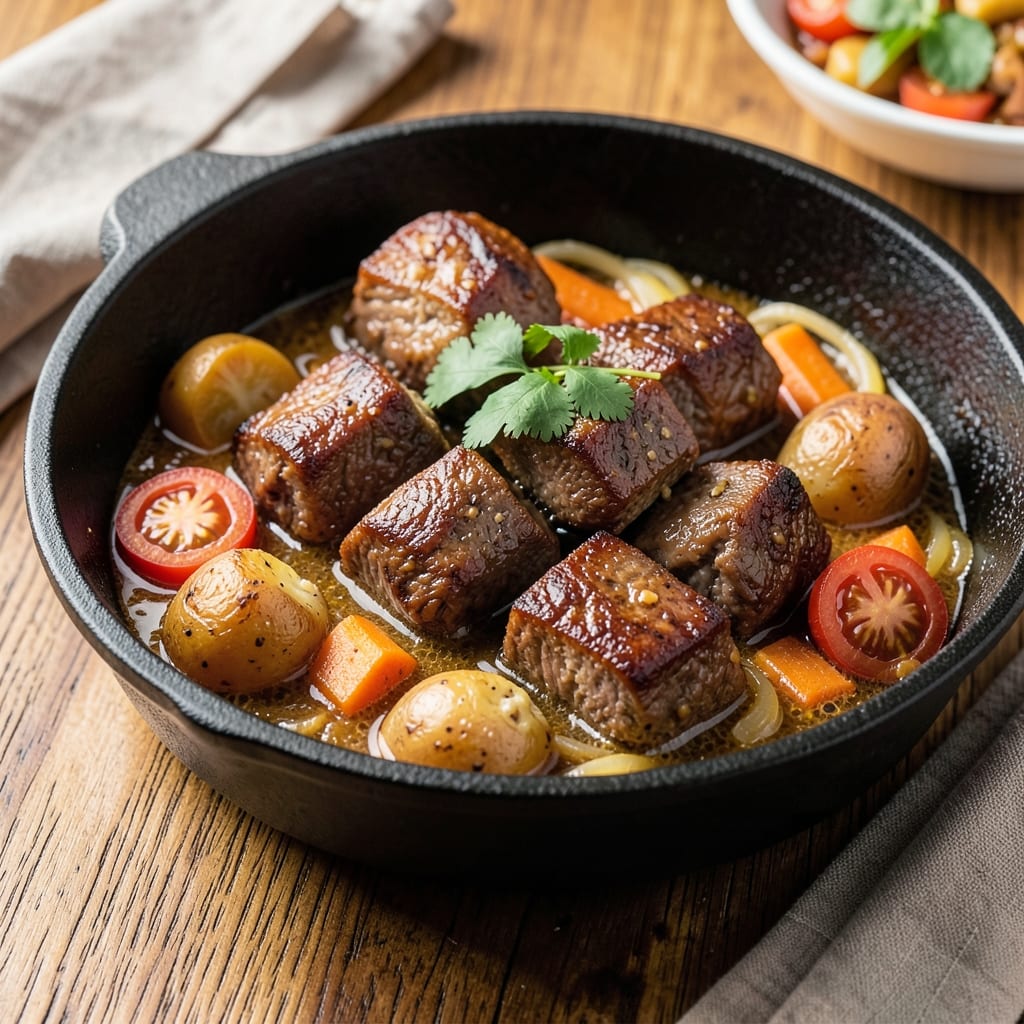
This Batangas beef caldereta recipe delivers the slow-simmered richness that makes it a Filipino comfort classic. The dish transforms tough beef cuts into tender, melt-in-your-mouth pieces bathed in a tangy, slightly sweet sauce—perfected with vinegar, tomatoes, and coconut milk. What sets this version apart is the Batangas touch: a balance of sourness from calamansi and subtle heat from chili peppers, creating a sauce that’s both vibrant and deeply satisfying.
The cooking process is all about patience—beef simmers for hours until fork-tender, while potatoes absorb the flavorful broth, becoming creamy and irresistible. Traditional techniques like browning the meat first and reducing the sauce gradually ensure every bite is packed with depth. This isn’t just a stew; it’s a celebration of Filipino home cooking, where simple ingredients transform into something extraordinary.
By the time you serve this dish, you’ll have a steaming pot of slow-cooked beef swimming in a glossy, aromatic sauce with tender potatoes and carrots. The aroma alone—warm spices mingling with vinegar and coconut—will have everyone at the table anticipating the first bite. It’s the kind of meal that feels like a hug, perfect for family gatherings or cozy weeknight dinners.
Pair it with steamed white rice to soak up every last drop of that rich, tangy sauce. The leftovers? Even better the next day, as flavors meld further. This is authentic Batangas caldereta, where tradition meets comfort food in every spoonful.
Ingredients for batangas beef caldereta
Sixteen ingredients transform tough beef into tender, sauce-drenched comfort—all you need for Batangas's signature slow-cooked richness.
| Ingredient | Amount | Notes |
|---|---|---|
| Beef Chuck Roast 🥩 | 3 lb | Cut into 1.5-inch cubes |
| Yellow Onions 🧅 | 2 whole | Large, thinly sliced |
| Russet Potatoes 🥔 | 3 lb | Peeled, cut into chunks |
| Carrots 🥕 | 1 ½ lb | Whole, halved lengthwise |
| Canned Tomatoes 🍅 | 2 cans | 14.5 oz each, crushed |
| Coconut Milk 🥥 | 2 cans | 13.5 oz each, full-fat |
| White Vinegar 💧 | ½ cup | Distilled, not apple cider |
| Calamansi Juice 🍋 | ¼ cup | Or substitute lime juice |
| Garlic Cloves 🧄 | 8 cloves | Minced, not powdered |
| Bay Leaves 🌿 | 2 whole | Fresh preferred |
| Sichuan Peppercorns 🌶️ | 1 tsp | Crushed, for aroma |
| Black Peppercorns 🌶️ | 1 tsp | Crushed, not ground |
| Salt 🧂 | 2 tsp | Diamond Crystal preferred |
| Fresh Chili Peppers 🔥 | 2 whole | Siling labuyo, chopped |
| Olive Oil 🫒 | ¼ cup | For searing beef |
The beef is non-negotiable—chuck roast delivers that signature melt-in-your-mouth texture. Look for cuts with good marbling at Filipino grocery stores or your local butcher. If you can't find chuck, short ribs work too, but increase simmering time to 4 hours. The potatoes should be firm—Russets hold up best to long cooking. For the tomatoes, San Marzano cans are ideal, but any high-quality crushed tomatoes will do. The coconut milk? Full-fat only—it's the secret to that creamy, velvety finish.
No calamansi? Lime juice works in a pinch, though it lacks that signature tang. Substituting vinegar? Use white vinegar exclusively—apple cider adds unwanted sweetness. The chili peppers are essential for that Batangas heat—siling labuyo is traditional, but jalapeños or serranos work if you can't find them. For the Sichuan peppercorns, substitute ground white pepper at half the amount if needed. The garlic should be fresh—pre-minced jars often contain fillers that mute flavor. And that olive oil? Use a high-smoke-point oil like avocado or grapeseed for searing to avoid bitterness.
This dish tastes even better the next day as flavors meld. Store in the fridge for up to 5 days, or freeze portions for 3 months—the sauce thickens beautifully when reheated. For meal prep, double the recipe and freeze half. The potatoes will soften slightly when reheated, but a quick simmer in the sauce restores their texture. Serve with steamed rice to soak up every last drop of that rich, tangy sauce—leftovers are mandatory.
Why You'll Love This Recipe
- One-Pot Magic: I swear by this recipe—just brown the beef, toss in the onions and tomatoes, then let it simmer. No fancy steps, no extra pots. The chuck roast practically melts into tender, saucy perfection while the potatoes and carrots soak up every last bit of flavor.
- Rich, Deep Umami: That beef chuck roast? Chef’s kiss. It develops a caramelized crust that falls apart in your mouth, while the canned tomatoes and onions build a thick, savory sauce. Honestly, the first bite makes me forget I’m not at a homey Filipino kitchen table.
- Weeknight Workhorse: Between us, this is my go-to when I’m too tired to plan. Double the batch on Sunday—it reheats beautifully for lunches, and the leftovers? Even better the next day. My kids request it more than any other stew.
- Budget-Friendly Feast: A whole roast and potatoes for under $15? Yes, please. The chuck roast stretches across meals, and the veggies bulk it up without breaking the bank. Not the prettiest, but the taste makes up for it—every time.
Step-by-step instructions for Batangas beef caldereta
Mastering this dish requires patience and precision—here's how to build rich, tangy layers of flavor.
Sear the Beef for Deep Flavor
Heat the 0.25 cup olive oil in a heavy Dutch oven over medium-high heat until shimmering. Add the 3 lb beef chuck roast cut into 1.5-inch cubes, working in batches if needed to avoid crowding. Sear each piece for 3-4 minutes per side until deep golden brown forms on all surfaces. This step develops the Maillard reaction, creating that fundamental beefy depth.
As you sear, resist the urge to move the beef constantly—let it develop that crust undisturbed. Once all pieces are browned, transfer them to a plate and set aside. The rendered beef fat in the pot will become the foundation for your sauce, so don't wipe it out. This fat carries all those caramelized flavors we worked so hard to build.
Build the Aromatic Base
In the same Dutch oven, reduce heat to medium and add the 2 whole yellow onions sliced thinly. Cook for 5-6 minutes until softened and translucent, stirring occasionally. Add the 8 cloves garlic cloves that have been minced, along with the 1 tsp crushed Sichuan peppercorns and 1 tsp crushed black peppercorns. Stir for 30 seconds until fragrant—this is where the complex aromas begin to meld.
Next, add the 2 whole fresh chili peppers chopped and the 2 whole bay leaves. Cook for another 1 minute until the chilies soften slightly. The Sichuan peppercorns will release their signature tingling warmth, while the bay leaves add earthy depth. This aromatic trifecta forms the backbone of Batangas' signature flavor profile, so don't rush this step.
Develop the Tangy Sauce Foundation
Pour in the 0.5 cup white vinegar and 0.25 cup calamansi juice, scraping up any browned bits from the bottom of the pot. These acidic components will brighten the dish and cut through the richness. Add the 2 cans crushed canned tomatoes and stir to combine. Bring the mixture to a simmer, then reduce heat to low and let it cook uncovered for 10 minutes, allowing the liquid to reduce by about one-third. This reduction concentrates the flavors and thickens the sauce.
The sauce should now have a rich, slightly syrupy consistency with visible reduction. Taste and adjust seasoning with the 2 tsp salt if needed—this is your flavor baseline before adding the remaining ingredients. The vinegar and calamansi will mellow as the dish simmers further, but starting with proper balance is crucial.
Simmer with Vegetables and Coconut Milk
Return the seared beef to the pot and add the 3 lb russet potatoes cut into chunks and 1.5 lb carrots halved lengthwise. Pour in the 2 cans coconut milk and stir gently to combine. The potatoes should be mostly submerged, but that's okay—they'll absorb some of the sauce as they cook. Bring the mixture to a gentle simmer, then cover and cook for 45-50 minutes on low heat, stirring occasionally to prevent sticking.
After about 30 minutes, check the potatoes with a fork—they should be tender but not falling apart. The carrots should be soft enough to pierce easily with a knife. The beef should be fork-tender with just a slight resistance. If the sauce becomes too thick, add 2-3 tablespoons of water to maintain proper consistency. The coconut milk will create a velvety texture while the vinegar maintains that signature tang.
Finish and Rest for Perfect Texture
Once all ingredients are tender, increase heat to medium and simmer uncovered for 5-7 minutes to allow the sauce to thicken slightly and develop a glossy finish. Taste and adjust seasoning—you may need to add a bit more salt or a splash of vinegar to balance the flavors. Remove the bay leaves before serving as they can be bitter when overcooked.
Let the caldereta rest for 10 minutes before serving. This resting period allows the juices to redistribute throughout the beef and vegetables, ensuring each bite is moist and flavorful. The potatoes will continue to absorb some of the sauce, making them even creamier. Serve family-style with steamed rice to soak up every last drop of that rich, tangy sauce.
Pro Tips For Making Batangas Beef Caldereta
- SEAR THE BEEF UNTIL BROWNED: Skip the slow start—get that beef chuck roast screaming hot in a heavy pot with oil until deep brown crusts form. I used to rush this, and the stew always tasted flat; now I let it sit 3-4 minutes per side, even if it looks messy. That crust dissolves into rich flavor when you add the tomatoes and broth.
- PEEL AND CUBE POTATOES LARGE: No small, mushy chunks—cut those russet potatoes into 2-inch cubes. They’ll hold shape better and soak up the sauce without turning to paste. I learned this the hard way when my first batch turned into a sad, watery mash.
- ADD TOMATOES LAST MINUTE: Hold off on dumping the canned tomatoes until the beef is halfway cooked. Their acidity will fight the browning, so save them for the final 30 minutes. This keeps the sauce balanced and prevents the beef from getting tough.
- SKIP THE CROWDED POT: If your pot’s too full, the potatoes will steam instead of roast. Start with just the beef, onions, and a splash of water, then add the rest later. I was skeptical until I tried it—now my caldereta has actual depth, not just a watery stew.
Serving suggestions for this dish
Steamed White Rice
This dish is a match made in Filipino comfort food heaven—steamed white rice is non-negotiable. The long-grain rice soaks up every last drop of that rich, tangy sauce, turning each bite into a flavor explosion. For best results, use jasmine rice or Calrose rice—both hold up well to the sauce's moisture. Cook 2 cups rice to 3 cups water ratio, and let it rest covered for 10 minutes after cooking to achieve perfect fluffiness. 🍚
Garnish with Fresh Herbs
Brighten the dish with fresh garnishes that cut through the richness. I love adding chopped cilantro or green onions just before serving—about 2 tbsp each adds a refreshing contrast. For extra flair, sprinkle with toasted garlic chips (make by frying 4 minced garlic cloves in oil until crispy) or crumbled fried shallots for a crunchy texture. These garnishes elevate the dish from homemade to restaurant-worthy.
Side of Atchara
A traditional Filipino pickled vegetable side called atchara adds a tangy crunch that balances the dish's richness. You can make it quickly by thinly slicing 1 green papaya, 1 carrot, and 1 onion, then soaking in a mix of ½ cup vinegar, 2 tbsp sugar, and 1 tsp salt for at least 30 minutes. The sweet-spicy contrast makes each bite of caldereta even more satisfying. 🥕
Warm Crusty Bread
For a heartier meal, serve with warm Filipino pandesal or French baguettes toasted with garlic butter. The bread soaks up the sauce beautifully while adding a satisfying texture contrast. If you can't find pandesal, any crusty bread will work—just brush with garlic-infused olive oil and toast until golden. This adds a casual, family-style element that makes the dish feel even more inviting.
Spicy Chili Oil
Add a kick to the table with a small bowl of spicy chili oil for dipping. Mix ¼ cup neutral oil with 1 tbsp chopped siling labuyo peppers and 1 tsp crushed Sichuan peppercorns, then heat gently until fragrant. The oil's heat and aroma will enhance every spoonful of caldereta, giving diners control over their spice level. This is especially popular with guests who love a little extra heat. 🌶️
Leftovers Transformation
Turn tomorrow's leftovers into a delicious caldereta fried rice or caldereta pancit. Chop any remaining beef, potatoes, and carrots, then stir-fry with 2 cups day-old rice, 1 egg, and 2 tbsp soy sauce for a quick, flavorful meal. The sauce's richness makes it perfect for repurposing—just reheat gently with a splash of water to restore moisture. This is my favorite way to stretch the meal into two satisfying servings. 💫
Nutrition facts
Frequently asked questions
What makes Batangas beef caldereta different from other Filipino caldereta?
Batangas beef caldereta stands out for its signature balance of tangy vinegar and calamansi juice, plus the distinctive use of Sichuan peppercorns for a subtle tingling warmth. Unlike other regional versions, it often includes potatoes and carrots simmered directly in the sauce, creating a heartier, creamier texture from the coconut milk. The slow simmering process (often 3-4 hours) transforms tough beef cuts into melt-in-your-mouth pieces.
Can I substitute calamansi juice if I can't find it?
Yes! While calamansi adds that signature Batangas tang, you can substitute with lime juice (use slightly more) or a mix of lemon juice and a pinch of salt. For extra authenticity, add 1 tsp sugar to balance the acidity. The key is maintaining that bright, citrusy note—just avoid apple cider vinegar as it adds unwanted sweetness to the dish.
How do I know when the beef is tender enough?
The beef should be fork-tender with just slight resistance—it should pull apart easily but not fall apart completely. For best results, check after 2.5 hours of simmering. If it's still tough, continue cooking another 30-45 minutes. The sauce should coat the back of a spoon when the beef is done, indicating proper moisture absorption. Overcooking can make the beef mushy, so monitor closely in the final 15 minutes.
Can I make this dish in a slow cooker?
For a slow cooker version, sear the beef first as directed, then transfer everything to your slow cooker. Cook on low for 6-7 hours or high for 4-5 hours, adding ½ cup water if the sauce gets too thick. The slow cooker's gentle heat enhances the beef's tenderness while allowing flavors to meld beautifully. The potatoes may absorb more sauce, so you might want to add them in the last 1 hour of cooking.
What's the best way to reheat leftovers?
Reheat gently on the stove over low heat with 2-3 tablespoons of water to restore moisture and prevent drying. Stir occasionally and simmer for 10-15 minutes until heated through. For microwave reheating, cover with a damp paper towel and heat in 1-minute intervals on 50% power. The sauce will thicken as it cools, so you may want to add a splash of water or coconut milk when reheating. Leftovers actually taste better the next day as flavors deepen!