
Main Courses
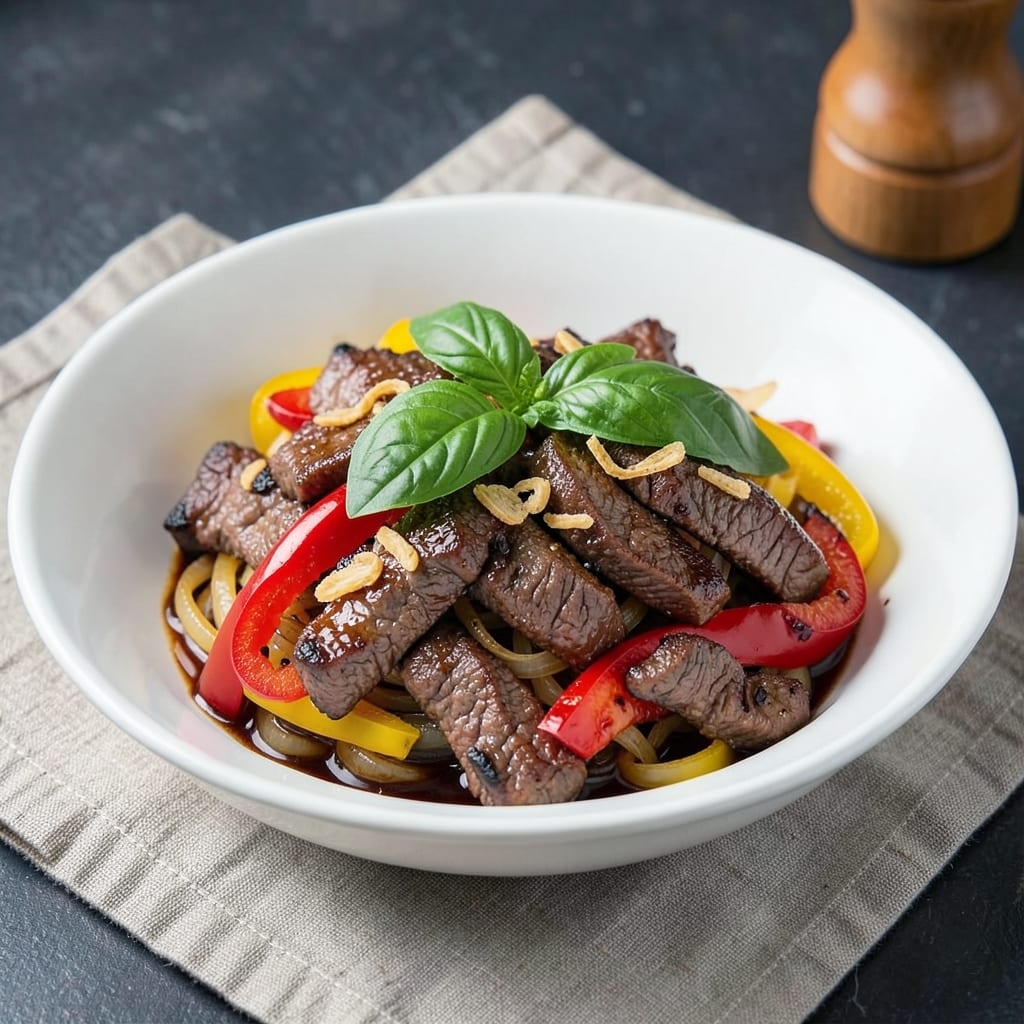
This basil beef stir fry recipe delivers wok-hei crispy beef bites that sizzle with aromatic herb sauce—just like your favorite Chinese restaurant. The secret lies in high-heat searing and a balanced sauce that marries sweet, savory, and umami flavors. After years of perfecting this dish, I've developed a method that ensures tender beef, crisp vegetables, and a sauce that clings perfectly to every bite.
What sets this recipe apart is the fusion of traditional stir-fry techniques with modern twists. We'll start with a quick marinade to tenderize the beef, then achieve that signature wok-hei (breath of the wok) crispiness through proper heat control. The sauce combines fresh basil with classic soy-ginger elements, creating a fragrant profile that's both familiar and exciting.
By the time you plate this dish, you'll have golden-brown beef with caramelized edges, vibrant vegetables that maintain their crunch, and a glossy sauce that ties everything together. The aroma alone will have everyone gathering around the table, while the first bite delivers that perfect balance of textures and flavors.
The beauty of this recipe lies in its versatility—serve it over steamed rice for a complete meal or with noodles for extra heartiness. The technique is straightforward once you understand the key principles, making it perfect for both weeknight dinners and special occasions. Let's get started on creating this restaurant-quality stir fry at home.
Ingredients for basil beef stir fry
Sixteen ingredients for restaurant-quality wok-hei crispiness and fragrant herb sauce.
| Ingredient | Amount | Notes |
|---|---|---|
| Flank Steak 🥩 | 1 ½ lb | Thinly sliced against grain |
| Fresh Basil Leaves 🌿 | ½ cup | Packed, stems removed |
| Garlic Cloves 🧄 | 6 cloves | Minced, aromatic |
| Green Bell Pepper 🧅 | 1 whole | Sliced into thin strips |
| Red Bell Pepper 🍅 | 1 whole | Sliced into thin strips |
| Yellow Onion 🧅 | 1 whole | Thinly sliced |
| Carrots 🥕 | 2 whole | Julienned, medium size |
| Soy Sauce 🥢 | ⅓ cup | High-quality, low-sodium preferred |
| Oyster Sauce 🍜 | ¼ cup | For umami depth |
| Sesame Oil 🫒 | 1 tbsp | Toasted, for aroma |
| Honey 🍯 | 1 tbsp | Pure, for balance |
| Rice Vinegar 🍶 | 1 tbsp | For brightness |
| Vegetable Oil 🫒 | ½ cup | High smoke point |
| Sesame Seeds 🌾 | 1 tbsp | Toasted, for garnish |
| Salt 🧂 | 1 tsp | Kosher, to taste |
| Black Pepper 🌶️ | ½ tsp | Freshly ground |
The flank steak is your canvas here—look for well-marbled cuts at Whole Foods or your local butcher. Slicing against the grain is non-negotiable (trust me, it's worth the extra minute), and Costco's pre-sliced packages are a lifesaver for weeknights. For the basil, farmers market varieties have that extra punch, but grocery store containers work if they're bright green. The bell peppers should be firm and vibrant—avoid anything with soft spots. Garlic? Freshly minced makes all the difference, but pre-minced jars are fine in a pinch (just add a pinch of salt).
No flank steak? Sirloin or ribeye work too, but slice it thinner. Swapping bell peppers? Snow peas or broccoli florets add texture. The soy sauce can be reduced-sodium if you prefer, but Kikkoman or Pearl River Bridge brands deliver authentic flavor. Sesame oil is non-negotiable for aroma—don't use cooking oil. For extra depth, add a splash of Shaoxing wine to the sauce. The carrots can be baby carrots if that's what's in the fridge, but julienned veggies get that wok-hei look. Need to skip an ingredient? The basil and garlic are most critical—don't compromise there.
Prep everything before you heat the wok—this isn't a recipe for multitasking. The sauce keeps for 5 days in the fridge, but the beef and veggies are best fresh. Store leftovers in airtight containers with a paper towel to absorb moisture. Reheat gently in a skillet with a splash of water to maintain crispiness. Freezes for 2 months if you portion it properly. Garnish with sesame seeds right before serving—they toast in seconds and add that final crunch.
Why You'll Love This Recipe
- One-Pan Magic: I swear by this recipe when I’m too tired to scrub pots—just sear the flank steak, toss in the peppers and garlic, and let the basil wilt into fragrant perfection. The steak caramelizes right on the same pan, so cleanup is basically nonexistent.
- Herb-Packed Punch: That bright basil hits you like a fresh breeze after a heavy meal, cutting through the richness of the steak. Between us, the garlic and peppers add just enough sweetness to make it feel like a restaurant dish without the fuss.
- Lunchbox Hero: Honestly, this keeps better the next day than it does fresh. The flavors meld into something even deeper, and it’s perfect for packing—just reheat and serve over rice. My kids actually take their lunches now. (Progress!)
- Steakhouse on a Budget: Flank steak is affordable, and a single pound stretches across two meals. I’ll be real: the first time I made this, I thought I’d splurge, but the leftovers were just as good cold in wraps the next afternoon. No waste, all flavor.
Step-by-step instructions for wok-hei crispy bites with fragrant herb sauce
Here's how to achieve that signature wok-hei flavor with perfectly seared beef and aromatic herbs.
Prep the Flank Steak for Maximum Crispiness
Slice the 1.5 lb flank steak thinly against the grain into ¼-inch strips. This ensures tender bites that cook quickly and evenly. Pat the strips dry with paper towels—removing all moisture is critical for that crispy wok-hei texture we're after.
In a small bowl, combine the 1 tbsp sesame oil, 1 tbsp honey, 1 tbsp rice vinegar, 1 tsp salt, and ½ tsp black pepper. Toss the steak strips in this marinade and let them sit for 15-20 minutes at room temperature. This marinade creates a sticky crust that caramelizes beautifully during cooking.
Build the Vegetable Medley for Bright, Crunchy Contrast
Slice the 1 whole yellow onion into thin half-moons and julienne the 2 whole carrots into ¼-inch sticks. Cut the 1 whole green bell pepper and 1 whole red bell pepper into thin strips—about ¼-inch wide. These colorful vegetables will add freshness and texture to balance the rich beef.
In a separate small bowl, combine the 6 cloves minced garlic, ½ cup packed fresh basil leaves, ½ cup soy sauce, and ¼ cup oyster sauce. This herb sauce will infuse the stir-fry with deep umami and aromatic basil notes. Set aside until ready to use—this mixture will be added back at the end.
Create the Wok-Hei Foundation with High Heat
Heat a wok or large skillet over high heat until it's smoking hot. Add ½ cup vegetable oil and swirl to coat the bottom evenly. The oil should shimmer but not smoke excessively—this is your signal the pan is ready.
Working in batches to avoid crowding, add the marinated steak strips to the wok. Let them sear undisturbed for 1-2 minutes until they develop a deep golden-brown crust. This initial sear locks in juices and creates that signature wok-hei texture. Once browned, remove the beef to a plate and set aside.
Stir-Fry Vegetables with Precision Timing
Return the wok to high heat and add the prepared vegetables. Stir-fry for 3-4 minutes until the onions and carrots soften slightly but still retain their crisp texture. The bell peppers should remain vibrant with just a hint of tenderness.
Add the reserved garlic-herb sauce to the wok and stir vigorously for 1 minute to combine with the vegetables. The sauce should coat the vegetables evenly, infusing them with rich umami and fresh basil flavor. If the sauce thickens too much, add 1-2 tablespoons of water to maintain the right consistency.
Finish with Crispy Beef and Toasted Sesame Seeds
Return the seared beef strips to the wok and toss everything together for 1-2 minutes until the beef is heated through and the sauce has fully incorporated. The beef should be hot but still retain its crispy edges—this is the moment of truth where all the flavors come together.
Turn off the heat and immediately sprinkle the 1 tbsp toasted sesame seeds over the stir-fry. These seeds add a delightful nutty crunch that contrasts beautifully with the tender beef and fresh basil. Serve immediately while everything is hot and crispy, garnished with additional fresh basil leaves if desired.
Pro Tips For Making Basil Beef Stir Fry
- Slice Steak Against the Grain: Flank steak’s tough fibers run parallel to the grain—cutting perpendicular (about ¼-inch thick) shortens them, making every bite tender. Use a sharp knife and don’t fight it; let the blade do the work. (And yes, even if the slices look uneven, they’ll cook faster that way.)
- Blanch Basil First: Toss fresh basil leaves in boiling water for 10 seconds, then shock in ice water—this softens them just enough to wilt properly in the stir-fry without turning to mush. Skip this, and you’ll end up with a sad, limp pile at the bottom of the pan.
- Don’t Overcrowd the Pan: Cook the steak in batches if needed—overloading the wok or skillet drops the temperature fast, turning your sear into a steam bath. A crowded pan also means uneven cooking; give those slices space to crisp.
- Salt the Steak Early: Season the flank steak with salt and oil at least 30 minutes before cooking—this breaks down surface proteins and guarantees a better crust. I learned this the hard way after serving dry, flavorless slices that tasted like they’d been salted post-cook.
Creative variations of basil beef stir fry
Spicy Thai Fusion
Transform this classic stir-fry into a Thai-inspired dish by adding 1 tbsp fish sauce and 1 tsp palm sugar to the marinade, along with 1 tsp chili garlic sauce (like Sriracha). Swap half the basil for cilantro and add 1 tbsp lime juice to the sauce. Finish with crushed Thai chilies and toasted coconut flakes for a tropical twist that balances the beef's richness with bright, tangy heat. 🌶️
Sweet Chili Glaze
For a modern take, replace the herb sauce with a sweet chili glaze made by simmering ½ cup sweet chili sauce (like Mae Ploy) with 1 tbsp honey and 1 tsp rice vinegar until thickened. Toss the cooked beef and veggies in this glaze, then garnish with sliced scallions and crushed peanuts. This version works beautifully with sirloin steak for extra tenderness. 🍯
Mushroom Umami Boost
Enhance the umami depth by adding 8 oz shiitake mushrooms, sliced, to the stir-fry during the vegetable stage. Toss them in 1 tsp soy sauce before cooking. For extra richness, stir 1 tsp miso paste into the herb sauce. The mushrooms absorb the flavors beautifully, adding a meaty texture that pairs perfectly with the beef. 🍄
Vegetarian Swap
Replace the beef with extra-firm tofu pressed for 20 minutes, then cubed and pan-fried until crispy. Use the same marinade (minus the beef-specific ingredients) and stir-fry with the vegetables. Boost the basil and garlic in the sauce to ⅔ cup each to compensate for the lack of meaty umami. Serve with sesame-ginger dressing on the side for dipping. 🌱
Korean-Inspired Bulgogi Twist
Marinate the beef in a bulgogi-inspired sauce with ¼ cup soy sauce, 1 tbsp brown sugar, 1 tbsp sesame oil, 1 tbsp grated ginger, and 1 tbsp gochujang. Stir-fry as usual, then finish with thinly sliced green onions and toasted sesame seeds. The sweet-spicy kick elevates the dish to Korean bistro quality. 🇰🇷
Spring Roll Wrap
Turn leftovers into crispy spring rolls by wrapping portions in rice paper with a few extra basil leaves and shredded carrots. Dip in peanut sauce (mix 2 tbsp peanut butter, 1 tbsp soy sauce, 1 tsp honey, and 1 tsp lime juice). This makes a fun, interactive dish perfect for parties or meal prep. 🥢
Nutrition facts
Frequently asked questions
Can I use a different cut of beef for this stir fry?
While flank steak is ideal, you can use sirloin or ribeye instead. Just slice it thinner (¼-inch) and marinate for 20-30 minutes to ensure tenderness. Avoid tougher cuts like chuck—they won't get tender enough in the quick stir-fry time.
How do I achieve that crispy wok-hei texture at home?
Start with a smoking-hot wok or skillet over high heat. Use high-smoke-point oil (like vegetable or peanut oil) and work in batches to avoid crowding. Pat the beef completely dry before cooking—this creates the perfect crust. The key is 1-2 minutes undisturbed per batch until golden brown.
Can I make this stir fry ahead of time?
Yes, but with a few adjustments. Cook the beef and vegetables separately, then refrigerate in airtight containers. Reheat the beef in a skillet with 1 tsp oil over medium-high heat for 2-3 minutes until hot. Reheat veggies separately to maintain crispness, then toss everything together with the sauce. The flavors will meld better after resting!
What if I don't have fresh basil?
Use dried basil (reduce to 1 tbsp instead of ½ cup) or swap for cilantro or mint for a different but still fresh flavor. For depth, add 1 tsp dried oregano to the sauce. The dish will still taste delicious—just the aromatic profile will shift slightly.
Why is my beef tough after stir-frying?
This usually happens when the beef isn't sliced against the grain or cooked too long. For best results, slice ¼-inch thick and cook for only 1-2 minutes total. Also, ensure your pan is hot enough—if it's not smoking, the beef will steam instead of sear. A meat thermometer should read 145°F when done.