
Main Courses
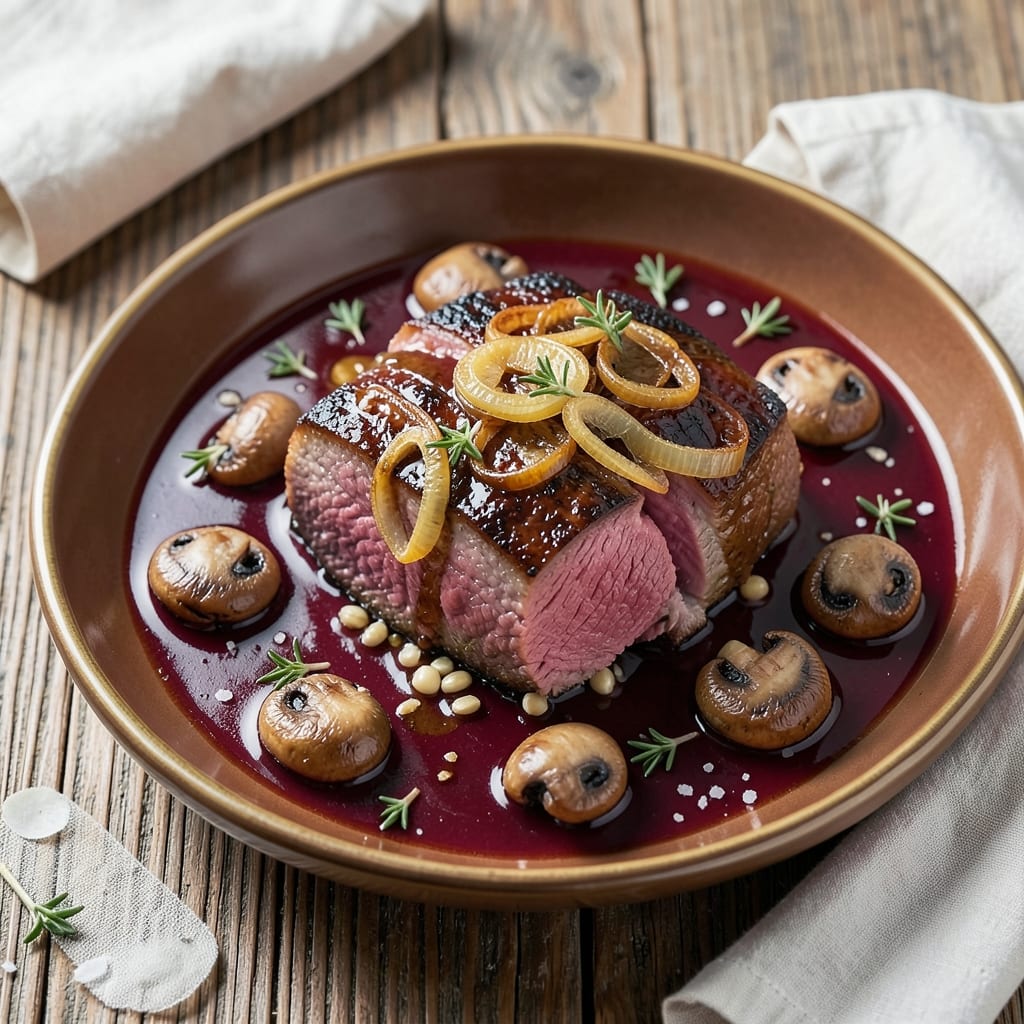
This Barefoot Contessa filet beef bourguignon recipe transforms a simple pot into a restaurant-worthy masterpiece. 💛 The secret lies in searing filet mignon to perfection before braising it in rich red wine, beef stock, and aromatic herbs—a technique Ina Garten herself swears by for tender, deeply flavorful beef.
The magic happens during the slow cook, where the wine reduces to a velvety sauce infused with mushrooms, pearl onions, and thyme. Unlike traditional bourguignon, this version uses filet instead of chuck, ensuring melt-in-your-mouth tenderness while keeping the dish elegant and approachable. The result? A dish that feels luxurious but requires just one pot and minimal effort.
By the time you serve this, you’ll have perfectly cooked filet with a glossy, wine-braised sauce that clings to every bite. Garnished with fresh parsley, it’s the kind of meal that makes weeknights feel special—without the fuss. Pair it with crusty bread or buttery mashed potatoes for the full experience.
Ready in just 20 minutes of prep but requiring 4 hours of slow cooking, this recipe is ideal for when you want to impress without spending all day in the kitchen. Let’s get started—your taste buds (and dinner guests) will thank you.
Ingredients for barefoot contessa filet beef bourguignon
Elegant filet meets rustic wine braise—just 15 ingredients for a dish that tastes like a Parisian bistro.
| Ingredient | Amount | Notes |
|---|---|---|
| Filet Mignon 🥩 | 1 ½ lb | Center-cut, 1-inch thick slices |
| Dry Red Wine 🍷 | 2 cups | Bold Cabernet Sauvignon or Merlot |
| Beef Stock 🥄 | 1 cup | Homemade or high-quality store-bought |
| Shallots 🧅 | 2 whole | Minced, about 2 tbsp |
| Garlic Cloves 🧄 | 4 cloves | Peeled and smashed |
| Fresh Thyme 🌿 | 2 tbsp | Leaves only, stems removed |
| Fresh Parsley 🌿 | ¼ cup | Chopped, for garnish |
| Mushrooms 🍄 | 8 oz | Cremini or button, sliced |
| Pearl Onions 🧅 | 12 whole | Peeled, halved lengthwise |
| All-Purpose Flour 🌾 | 1 tbsp | For dredging beef |
| Olive Oil 🫒 | 2 tbsp | Extra-virgin, for searing |
| Unsalted Butter 🧈 | 2 tbsp | Cold, for finishing sauce |
| Kosher Salt 🧂 | 1 ½ tsp | Diamond Crystal preferred |
| Freshly Ground Black Pepper 🌶️ | ½ tsp | Cracked peppercorns preferred |
| Tomato Paste 🍅 | 1 tbsp | Smooth, for depth |
The filet is non-negotiable here—center-cut, 1-inch thick slices ensure perfect searing and tender results. Whole Foods or high-end butchers carry the best cuts, but even your local grocery store’s premium filet works if it’s well-marbled. Slice the beef against the grain for maximum tenderness. For the red wine, bold Cabernet Sauvignon or Merlot (none of that fruity Zinfandel)—the alcohol needs to cook off completely, leaving just the deep, savory notes. If you’re using a dry wine, no need to deglaze first; if it’s slightly sweet, reduce the sugar in the tomato paste by half.
No fresh thyme? Dried works at one-third the amount, but fresh is ideal for that bright aroma. Pearl onions can be swapped for regular yellow onions (peeled and halved), though they’re prettier and hold their shape better. The tomato paste is key—Trader Joe’s or Muir Glen brands are reliable and won’t clump. For extra richness, add a splash of demi-glace (about 2 tbsp) at the end. If you’re short on time, bottled beef stock is fine, but homemade elevates the dish. And trust me on the butter—cold, cubed butter tossed into the sauce at the end creates an unctuous finish that’s worth the extra minute.
This dish tastes even better the next day—4-5 days in the fridge, reheated gently with a splash of wine or stock. For make-ahead prep, sear the beef and onions ahead, then refrigerate until ready to braise. The sauce freezes beautifully for up to 3 months, though the texture changes slightly. Garnish with fresh parsley right before serving—it brightens the dish and looks stunning. Serve with crusty bread to soak up every last drop of that velvety sauce.
Why You'll Love This Recipe
- One-Pan Magic: I swear by this recipe when I’m too tired to scrub pots—just sear the filet, toss in the shallots and garlic, then let the red wine and stock do the work. The dish practically cooks itself while you sip that same wine you’re using.
- Rich Without Effort: That deep, velvety sauce? It’s all about the slow simmer with wine and stock, but here’s the secret: the filet stays tender and flavorful because it’s not overworked. Slice it thin, and you’ve got restaurant-quality bites with zero fuss.
- Weeknight to Dinner Party: Honestly, I make this for lazy Mondays and Sunday suppers alike—just adjust the portions. For a crowd, double the wine and stock; for leftovers, it reheats like a dream (though I’ll admit, it’s best fresh).
- Budget-Friendly Luxury: Filet’s fancy, but this recipe stretches it. The sauce turns scraps into meals—think crostini or pasta—so you’re not wasting a thing. Between us, I’ve fed four people for under $30 with this trick.
Step-by-step instructions for filet beef bourguignon
Here's how to create this luxurious one-pot masterpiece with tender filet and rich wine sauce.
🍳 Step 1: Sear the Filet Mignon to Perfection
Heat the 2 tablespoons olive oil in a heavy Dutch oven over medium-high heat until shimmering. Pat the 1.5 lb filet mignon slices completely dry with paper towels—this ensures maximum browning. Season both sides generously with 1.5 teaspoons kosher salt and 0.5 teaspoon freshly ground black pepper.
Working in batches if needed, add the filet slices to the pan and sear for 2-3 minutes per side until deeply browned with a crust that looks like it's about to shatter. Real talk: don't crowd the pan or the temperature will drop. Transfer the seared filet to a plate and set aside—we'll return it to the pot later.
👨🍳 Step 2: Build the Flavor Foundation
Reduce heat to medium and add the 2 tablespoons unsalted butter to the Dutch oven. Toss in the 1 tablespoon tomato paste and cook for 1 minute until it darkens slightly and releases its deep, concentrated flavor. This is where the sauce gets its rich, umami base.
Add the 2 whole minced shallots and 4 smashed garlic cloves, cooking for 2-3 minutes until softened but not browned. Stir in the 1 tablespoon all-purpose flour, whisking constantly for 1 minute to cook off the raw flour taste. This creates a roux that will thicken our wine sauce beautifully.
🥘 Step 3: Develop the Wine Reduction
Pour in the 2 cups dry red wine and scrape up all those delicious browned bits from the bottom of the pot—this is called deglazing, and it's where most of the flavor lives. Bring to a simmer and reduce by half (about 8-10 minutes) until the liquid is syrupy and coats the back of a spoon. Here's the thing—don't rush this step. The longer you reduce, the more concentrated and flavorful your sauce will become.
Add the 1 cup beef stock and 12 halved pearl onions, bringing to a gentle simmer. The onions should be partially submerged—this ensures they cook through without burning. Tuck the filet slices back into the pot, spooning sauce over them to begin the braising process.
🍄 Step 4: Braise Until Fork-Tender
Add the 8 oz sliced mushrooms and 2 tablespoons fresh thyme leaves to the pot. Cover tightly with a lid and transfer to a preheated 325°F oven. Braise for 2-2.5 hours until the filet is fork-tender with an internal temperature of 130°F (it will rise to 145°F while resting).
Here's my pro tip: Check the onions after 1 hour—if they're browning too quickly, add 2-3 tablespoons water to keep them moist. The filet should be so tender it practically falls apart when pierced with a fork, with a rich, dark sauce clinging to every bite.
🌿 Step 5: Finish with Fresh Herbs and Serve
Remove the pot from the oven and let it rest for 10 minutes before serving. This resting time allows the juices to redistribute throughout the meat, ensuring maximum tenderness. Stir in the 0.25 cup chopped fresh parsley just before serving to brighten the dish with fresh, herbal notes.
Ladle the filet and sauce over mashed potatoes, egg noodles, or crusty bread to soak up every last drop of that luxurious wine reduction. The result should be melt-in-your-mouth filet with a sauce so rich it coats your fork. Trust me, this is the kind of dish that makes you want to close the kitchen door and enjoy every bite in peace.
Pro Tips For Making Barefoot Contessa Filet Beef Bourguignon
- SEAR THE FILET IN BATCHES: Filet’s got that buttery fat, and if you crowd the pan, it’ll turn into a sad, greasy mess. Work in two batches—high heat, 2-3 minutes per side—until deep brown. That crust? Non-negotiable for flavor. (Yes, even if you’re impatient like me.)
- SWEEP OUT THE BROWN FUNDAMENTAL: After searing the shallots and garlic, don’t just pour in the wine. Tilt the pan, spoon out those stuck-on bits with a wooden spoon—deglaçage is where the flavor hides. Scrape hard; lazy scraping = weak sauce. (Your future self will notice.)
- DEGLAZE WITH COLD WINE: Chill the red wine first—just 10 minutes in the fridge. Pouring cold wine over hot pan residue makes it sizzle like crazy, lifting flavors into the sauce instead of burning them. Trust me, the sauce will taste richer. (And no, you won’t ruin the dish.)
- SIMMER LOW AND LONG: The Barefoot Contessa recipe says 2-3 hours, but don’t rush it. Cover the pot and let it bubble gently—not a rolling boil—so the wine and stock meld instead of evaporating. Check at the 1.5-hour mark; if it’s not tender, give it another 30 minutes. (Undercooked filet in bourguignon? A crime.)
Storing and reheating this barefoot contessa filet beef bourguignon
Refrigerator Storage
This dish tastes even better the next day, so store leftovers in an airtight container for up to 4-5 days. Let it cool completely before refrigerating to prevent condensation, which can dilute the sauce. I like using glass Pyrex containers because they keep the flavors intact and make reheating easier. 💛
When reheating, add 2-3 tablespoons of beef stock or red wine to the cold dish to restore moisture and prevent the sauce from thickening too much. Cover and heat on the stovetop over medium-low heat for 10-15 minutes, stirring occasionally, until warmed through.
Freezer-Friendly Sauce
The sauce freezes beautifully for up to 3 months, though the texture will change slightly—it’ll be thicker but just as flavorful. Freeze in quart-sized freezer bags, leaving 1-inch headspace for expansion. To reheat, thaw overnight in the fridge, then warm on the stove with a splash of liquid.
For the beef itself, I recommend freezing it separately in the sauce (without the parsley) for 1-2 months. The filet will stay tender, but the sauce may separate slightly. Just stir vigorously when reheating to re-emulsify.
Oven Reheating
If you prefer oven reheating, transfer the bourguignon to an oven-safe dish and cover tightly with foil. Heat at 325°F for 20-25 minutes until warmed through. This method keeps the sauce glossy and the beef juicy—perfect for when you want minimal effort and maximum results. ✨
Add a pat of cold butter and a sprinkle of fresh parsley just before serving to revive the dish’s richness and freshness. The butter melts into the sauce, creating a luxurious finish that feels restaurant-worthy.
Microwave Shortcut
For quick reheating, use the microwave on 50% power in 1-minute intervals, stirring between each interval. Add 1-2 tablespoons of liquid (stock or wine) to prevent drying out. This method works best for single servings and takes about 3-4 minutes total.
Pro tip: If the sauce seems too thick after reheating, thin it with a splash of beef stock or red wine while it’s still warm. The goal is to restore that silky, velvety texture that makes this dish so special.
Nutrition facts
Frequently asked questions about filet beef bourguignon
Why does this recipe use filet instead of chuck roast?
Filet mignon creates a more elegant, tender result perfect for special occasions. Unlike traditional bourguignon that uses chuck roast, this version keeps the beef melt-in-your-mouth while still developing rich flavors from the wine braise. The tradeoff is slightly less forgiving timing, so we focus on perfect searing and gentle braising.
Can I substitute regular onions for pearl onions?
Yes! Use yellow or white onions instead, but peel and halve them lengthwise for even cooking. Pearl onions add visual appeal and stay intact, but regular onions work perfectly. Just reduce the quantity to 8-10 halves instead of 12.
What if I don't have a Dutch oven?
Use a heavy-bottomed pot with a tight-fitting lid—like a deep skillet or enameled cast iron. The key is to maintain even heat during braising. If your pot isn't deep enough, cover with foil secured tightly to prevent sauce evaporation.
How do I adjust the cooking time for thicker filet slices?
For slices over 1.5 inches, increase braising time by 30-45 minutes or until internal temp reaches 130°F. Check doneness with a meat thermometer—filet should feel tender when pierced. The sauce will thicken more with longer cooking, so add 1-2 tbsp stock if needed.
Can I make this dish in a slow cooker?
Yes! Sear the filet as directed, then transfer everything to a slow cooker. Cook on low for 6-7 hours or high for 3-4 hours until tender. The sauce may be thinner, so reduce it on the stovetop afterward by simmering uncovered for 10-15 minutes.