
Sauces & Condiments
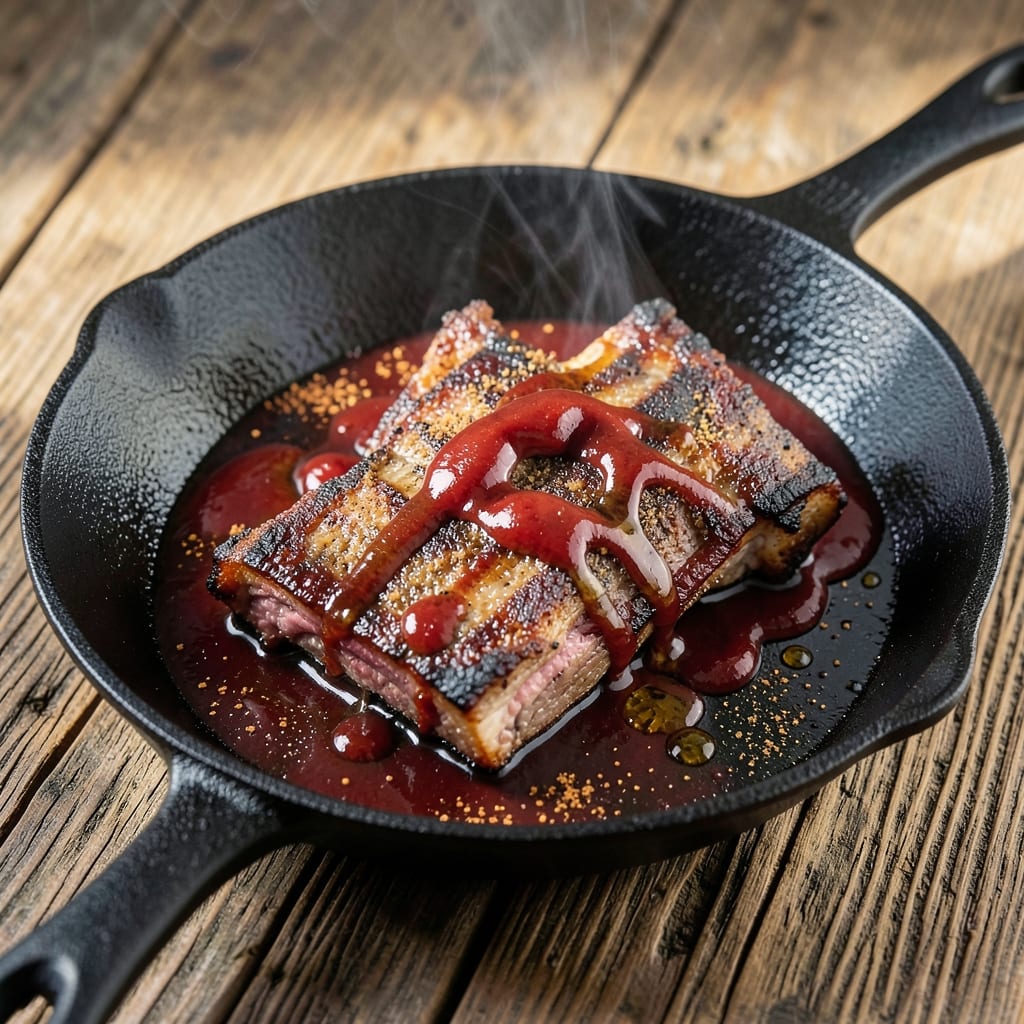
This barbecue sauce recipe for beef ribs transforms tough cuts into tender, sticky masterpieces—where every bite carries that perfect balance of smoky depth and sweet caramelization. 🔥 The secret lies in a slow-simmered blend of tomato paste, apple cider vinegar, and brown sugar that develops rich, complex flavors while staying flexible enough to cling to ribs during long smokes. I've been perfecting this sauce for years, and it's the one I reach for whenever I'm firing up the pit—it cuts through the fat, enhances the meat, and leaves that glossy, crackling finish we all crave.
The foundation is simple: a rich tomato base built with vinegar for tang and molasses for depth, all balanced by a touch of liquid smoke for that unmistakable barbecue aroma. What sets this sauce apart is its ability to withstand hours in the smoke—it doesn't burn or turn bitter like some commercial versions. The spices, a mix of smoked paprika, garlic powder, and black pepper, infuse just enough heat without overpowering the natural sweetness of the meat. And because it's designed for ribs, it's thick enough to cling but thin enough to penetrate, ensuring every bite is flavorful.
What you'll end up with is a sauce that's as versatile as it is essential—perfect for basting during the cook, glazing in the final stages, or even mopping onto the ribs as they rest. The color deepens beautifully as it caramelizes, creating that glossy, appetizing finish that tells everyone dinner's ready. It keeps well in the fridge for up to two weeks, so you'll always have a backup for your next rib session. Let's get started on making the sauce that'll turn your ribs into the star of the meal.
This isn't just another barbecue sauce—it's the one that'll have your guests asking for the recipe, the one that makes your ribs shine, and the one that turns a simple cook into a pitmaster. The beauty of it is in its simplicity: a few pantry staples, a little patience, and a whole lot of smoke. Once you try it, you'll never go back to store-bought again.
Ingredients for barbecue sauce recipe for beef ribs
Pantry staples with a smoky twist—this sauce sticks to ribs like magic.
| Ingredient | Amount | Notes |
|---|---|---|
| Tomato Paste 🍅 | ½ cup | High-quality, canned preferred |
| Apple Cider Vinegar 🍏 | ½ cup | Unfiltered for depth of flavor |
| Brown Sugar 🍚 | ½ cup | Packed, light or dark |
| Molasses 🍯 | ¼ cup | Unsulphured for best flavor |
| Liquid Smoke 🔥 | 1 tbsp | Pure, no additives |
| Smoked Paprika 🌶️ | 1 tbsp | High-quality for smoky flavor |
| Garlic Powder 🧄 | 1 tbsp | Freshly ground preferred |
| Black Pepper 🌶️ | ½ tsp | Freshly ground for best flavor |
| Salt 🧂 | 1 tsp | Kosher or sea salt |
| Water 💧 | ½ cup | For thinning as needed |
The tomato paste is your flavor anchor—Mueller's or Hunt's are my go-tos, but any good canned brand works. Apple cider vinegar should smell tangy and fresh; Mott's or Bragg's are reliable choices. For molasses, unsulphured is key—it keeps the sauce from tasting bitter. Smoked paprika? Penzeys or McCormick's smoked are worth the splurge if you're a sauce lover. Liquid smoke is the secret weapon here—just a tablespoon gives that unmistakable barbecue aroma without overpowering. Grab the good stuff, and you'll taste the difference in every bite.
No apple cider vinegar? White vinegar or balsamic works in a pinch, but the flavor won’t be quite the same. Short on molasses? Maple syrup or honey can substitute, but reduce the sugar slightly since they’re sweeter. Running low on smoked paprika? Regular paprika plus a pinch of cayenne adds a little heat. The sauce should be thick but pourable—add water 1 tbsp at a time if it’s too stiff. And if you’re feeling adventurous, a splash of beef broth deepens the meaty notes. Trust me, this sauce is forgiving, but those core ingredients make all the difference.
This sauce keeps like a dream—2 weeks in the fridge in an airtight jar, or 6 months in the freezer if you’re prepping for a big smoke. I like to make a double batch because it’s that good. The color deepens as it sits, so if it looks too thin after chilling, just simmer it for 5 minutes to thicken up. Pro tip: Pour a thin layer of oil on top before sealing to keep that glossy finish. And if you’re using it for ribs, save some to baste during the cook—that’s when the magic really happens.
Why You'll Love This Recipe
- Pantry Magic: I swear by this sauce because it uses what’s already in my cupboard—no fancy shopping trips. That thick tomato paste and molasses combo gives it depth without extra effort, and honestly? The liquid smoke is the secret weapon that makes it taste like a smoker’s dream.
- Sticky-Sweet Perfection: The brown sugar and apple cider vinegar balance out the smokiness with just the right tang and caramelized sweetness. It’s not too heavy, not too thin—just that perfect glossy coat on ribs that falls off in ridiculously flavorful layers.
- Weeknight or BBQ Boss: This sauce works whether I’m throwing together a quick weeknight dinner or prepping for a crowd. Slather it on ribs for a smoky feast, or drizzle it over baked beans—it’s the kind of versatile sauce that makes me look like a grill master every time.
- Budget-Friendly Leftovers: A single batch stretches across multiple meals—leftover ribs, sandwiches, even a quick pasta toss. I’ll be real: I’ve saved money by not buying overpriced store-bought sauce, and the molasses keeps the cost low while packing serious flavor.
Step-by-step instructions for smoky-sweet beef rib barbecue sauce
Here's how to make a rich, smoky-sweet sauce that clings perfectly to ribs.
🍳 Step 1: Combine Wet Ingredients for a Smooth Base
In a medium saucepan, add the 0.5 cup tomato paste and stir it in over medium heat for 2 minutes until it begins to soften. This step prevents clumping and creates a smooth foundation for your sauce.
Next, pour in the 0.5 cup apple cider vinegar and 0.5 cup brown sugar. Stir constantly for 3-4 minutes until the sugar dissolves completely. You should see the mixture bubble gently and begin to thicken slightly. This is where the sweet and tangy flavors start to meld together—don't walk away, as sugar can burn quickly.
🍳 Step 2: Add Depth with Molasses and Smoky Flavors
Reduce the heat to medium-low and carefully stir in the 0.25 cup molasses. Molasses adds that deep, caramel-like richness that makes this sauce perfect for ribs. Let the mixture simmer for 5 minutes while you add the 1 tbsp liquid smoke and 1 tbsp smoked paprika.
Stir well to distribute the smoky flavors evenly. You'll notice the aroma become more intense—this is where the sauce starts to develop its signature barbecue profile. Keep the heat at medium-low to prevent boiling, which can make the sauce too thin and lose its depth of flavor.
🍳 Step 3: Season and Simmer for Perfect Consistency
Add the 1 tbsp garlic powder, 0.5 tsp black pepper, and 1 tsp salt, stirring constantly to ensure even distribution. Let the sauce simmer uncovered for 10-15 minutes, stirring occasionally. You're looking for a sauce that coats the back of a spoon but isn't too thick—it should still be pourable but with good body.
If the sauce becomes too thick during simmering, add the 0.5 cup water one tablespoon at a time until you reach your desired consistency. The sauce should be glossy and cling well to ribs without dripping off. Taste and adjust seasoning if needed—you might want to add a bit more salt or sugar to balance the flavors.
⏰ Step 4: Cool and Store for Maximum Flavor Development
Once the sauce reaches your preferred consistency, remove it from heat and let it cool to room temperature. This cooling process allows the flavors to meld even more deeply. I like to transfer it to a clean jar and refrigerate it for at least 1 hour before using—this gives the sauce time to thicken slightly and intensify in flavor.
The sauce will keep in the refrigerator for up to 2 weeks, making it perfect for meal prep. When you're ready to use it, simply reheat it gently on the stove or in the microwave, stirring occasionally until warmed through. This sauce is amazing on ribs, but it also works wonders as a glaze for chicken, pork, or even vegetables!
Pro Tips For Making Barbecue Sauce Recipe For Beef Ribs
- Simmer Slow and Low: I learned this the hard way—boiling your sauce will turn it into a sticky, one-note mess. Keep it at a gentle simmer (small bubbles, occasional swirls) for at least 20-30 minutes. This lets the brown sugar caramelize properly and the vinegar’s acid mellow out, so your ribs don’t get hit with a harsh tang.
- Bloom the Tomato Paste: Sauté that tomato paste in a dry pan for 2-3 minutes before adding liquids. The Maillard reaction kicks in, deepening the flavor base—no need for oil, just heat until it darkens slightly. Skipping this step means your sauce will taste flat and underdeveloped, no matter how much liquid smoke you add.
- Balance the Sweet and Smoke: Too much molasses or brown sugar will drown out the liquid smoke’s depth, while too little leaves your sauce tasting like vinegar punch. Start with equal parts molasses and sugar (e.g., 2 tbsp each), taste as you go, and adjust. If it’s cloying, add a splash of vinegar; if it’s weak, a pinch more smoke.
- Strain for Smoothness: After simmering, let the sauce cool slightly, then strain it through a fine-mesh sieve. This removes any grit from the tomato paste or molasses, giving you a velvety finish. I know, it’s extra work, but trust me—your ribs will taste like they came from a pitmaster, not a home cook rushing through cleanup.
Perfect pairings for barbecue sauce recipe for beef ribs
Rib Side Showstoppers
Nothing complements smoked ribs like creamy coleslaw—I make mine with shredded cabbage, carrots, and a tangy mayo-vinegar dressing (about 1 cup mayo, 2 tbsp apple cider vinegar, 1 tsp sugar). The crunch cuts through the richness, and the vinegar ties back to the sauce’s tang. For extra flair, add ¼ cup chopped red onion and a pinch of celery seed for depth. 🥬
Pickled jalapeños are my secret weapon for heat lovers. Quick-pickle 1 cup sliced jalapeños in 1 cup vinegar, 1 tbsp sugar, and 1 tsp salt for 30 minutes. The acidity brightens every bite of rib, and the heat lingers just enough to keep things exciting. Serve them in a small bowl on the table so guests can add as much (or as little) as they dare.
Beverage Pairings
A bold amber ale like Fat Tire or Samuel Smith’s Nut Brown Ale stands up to the sauce’s sweetness while complementing the smoky notes. The maltiness balances the acidity, and the slight bitterness keeps your palate fresh. For non-alcoholic, sparkling apple cider (chilled!) mirrors the sauce’s tangy-sweet profile without overpowering it. 🍺
If you’re sipping wine, Zinfandel or Syrah brings the heat—both have enough body to handle the sauce’s richness while their dark fruit notes echo the molasses. Avoid light whites; they’ll get lost in the sauce’s depth. Pro tip: Chill your wine slightly (about 55°F) to let the flavors shine without overwhelming the ribs.
Sauce Application Tips
For basting, use a pastry brush to apply sauce every 30-45 minutes during the last 2 hours of cooking. The high heat caramelizes the sugars, creating that glossy, crackling finish. I like to thin the sauce slightly with 1-2 tbsp water before basting—it spreads better and clings longer. 🔥
For glazing, brush on a thin layer in the final 30 minutes of cooking. The smoke will kiss the sauce, deepening its flavor. If your sauce is too thick, add water 1 tbsp at a time until it’s pourable but still coats well. And if you’re mopping (applying sauce during the cook), use a paper towel to pat it on—it absorbs faster and prevents burning.
Unexpected Upgrades
Drizzle hot honey (about 1 tbsp) over the finished ribs right before serving. The heat from the honey opens up the sauce’s flavors, and the sweetness caramelizes instantly. I grab local raw honey and heat it with a pinch of cayenne for 10 minutes—trust me, it’s a game-changer. 🍯
For a textural contrast, scatter toasted pecans or crushed potato chips (like Kettle Brand sea salt) on top. The crunch adds another layer, and the salt amplifies the sauce’s sweetness. It’s a trick I learned from a Texas pitmaster—simple but brilliant. Save these toppings until the very end so they stay crisp.
Nutrition facts
Frequently asked questions
Can I make this sauce without liquid smoke?
If you don't have liquid smoke, try 1-2 tbsp smoked paprika plus ½ tsp smoked salt for depth. For extra smokiness, add ½ cup beef broth instead of water and simmer longer. The sauce will still be delicious—just with a milder smoke profile.
How do I adjust the sweetness for different tastes?
Start with the recipe as written, then taste and adjust. For less sweetness, reduce brown sugar to ¼ cup and add 1 extra tbsp vinegar. Want it sweeter? Add 1-2 tbsp more molasses or a pinch of sugar. Remember, the ribs' natural sweetness develops during cooking, so go easy at first.
What's the best way to store leftover sauce?
Transfer cooled sauce to an airtight jar and store in the fridge for up to 2 weeks. For longer storage, freeze in ice cube trays (perfect for small batches) or silicone molds. Thaw overnight in the fridge—never microwave directly. Pro tip: Add a thin layer of oil before sealing to preserve that glossy finish.
Can I use this sauce on other meats?
This sauce works beautifully on pork shoulder, chicken thighs, or even grilled vegetables. For chicken, reduce the molasses to 1 tbsp to avoid overpowering the meat. On pork, add ½ tsp mustard powder for extra depth. The key is to adjust sweetness based on the meat's natural flavor profile.
Why did my sauce turn out too thin?
This usually happens if you simmered too long or added too much water. To fix it, simmer uncovered for 5-10 minutes to reduce. For immediate results, mix 1 tbsp cornstarch with 2 tbsp cold water, stir into the sauce, and cook until thickened. Always taste as you go—thinner sauces work great for mopping, while thicker versions are better for glazing.