Main Courses
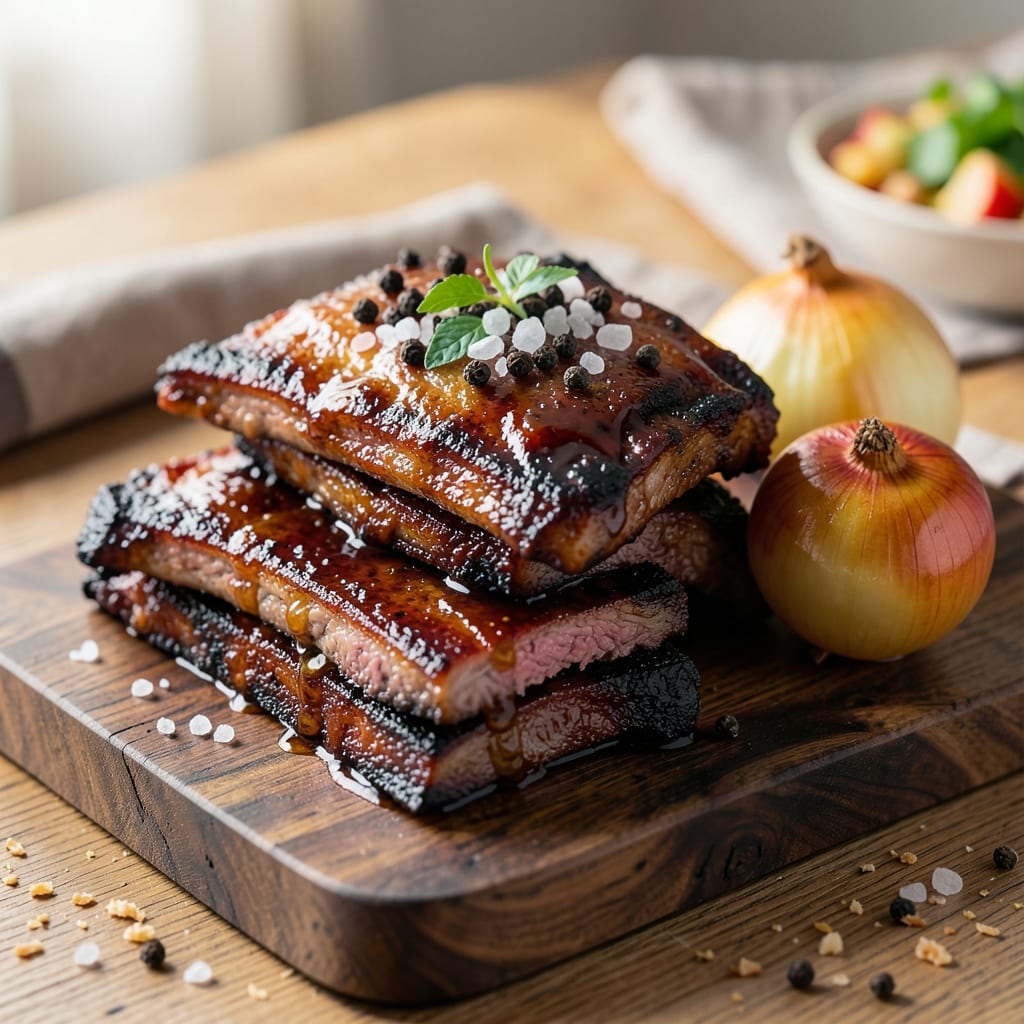
This barbecue beef spare ribs recipe delivers melt-in-your-mouth tenderness with a smoky bark that cracks under pressure. 🔥 After years of perfecting my pitmaster technique, I've developed a method that transforms tough ribs into fall-off-the-bone perfection with minimal fuss. The secret lies in the 3-2-1 approach—three hours of slow smoking, two hours wrapped in foil, and one final hour uncovered to develop that coveted crust.
The process begins with a dry rub that balances sweet, smoky, and spicy flavors—just enough heat to wake up the palate without overpowering the natural beef richness. I source my ribs from local butchers who've spent years perfecting their cuts, ensuring maximum tenderness from the start. This method works equally well on a smoker, grill, or even your oven with a little creativity.
By the time you're done, you'll have ribs so tender they practically disintegrate at the touch, with a caramelized bark that's both crispy and slightly sticky. The aroma alone will have your neighbors showing up uninvited, and every bite delivers that perfect harmony of smoky, sweet, and savory flavors. Serve with classic sides like tangy coleslaw and buttery cornbread for the full experience.
What makes this recipe truly special is its adaptability—whether you're cooking for a crowd or treating yourself to a solo meal. The technique scales beautifully, and leftovers reheat just as well as the first batch. Let's get started on creating ribs that'll have everyone asking for your secret.
Ingredients for barbecue beef spare ribs
Six ingredients make the magic happen—smoky, sweet, and savory all in one perfect bite.
| Ingredient | Amount | Notes |
|---|---|---|
| Beef Spare Ribs 🥩 | 4 lb | Bone-in, meaty sections preferred |
| Yellow Onion 🧅 | 1 whole | Cut into quarters for rub |
| Brown Sugar 🍯 | ½ cup | Light or dark variety |
| Smoked Paprika 🌶️ | 2 tbsp | For deep smoky flavor |
| Kosher Salt 🧂 | 1 tbsp | Diamond Crystal preferred |
| Black Pepper 🌶️ | 1 tbsp | Freshly ground for best flavor |
| Garlic Powder 🧄 | 1 tbsp | Not garlic salt |
| Mustard Powder 🍯 | 1 tbsp | For subtle tang |
| Apple Cider Vinegar 🍎 | ¼ cup | For spritzing during cook |
| Wood Chips 🌳 | 2 cups | Hickory or oak preferred |
| Beef Broth 🍲 | ½ cup | Low-sodium preferred |
| Aluminum Foil 📄 | 1 sheet | Heavy-duty for wrapping |
| Butter 🧈 | ½ cup | Unsalted, softened |
| Fresh Parsley 🌿 | ¼ cup | Chopped for garnish |
The ribs are everything here. Local butchers or high-quality grocery stores like Whole Foods carry the best cuts—look for meaty sections with good marbling. I always buy a full 4 lb pack because the neighbors always show up. If you can't find spare ribs, baby back ribs work too—just adjust cook time slightly. The wood chips? Hickory gives classic BBQ flavor, but oak is great if you want something milder. Soak them in water for at least 30 minutes before using. Don't skip this step—it prevents flare-ups and keeps your ribs juicy.
No smoked paprika? Regular paprika plus a pinch of liquid smoke works in a pinch. Mustard powder giving you trouble? Dijon mustard at half the amount adds that same tangy kick. The apple cider vinegar is non-negotiable for the spritzing—it keeps the bark crispy without drying out the meat. For the rub, I like to mix everything in a ziplock bag so it's easy to coat every inch of those ribs. If you're short on time, pre-mix the dry rub and store it in an airtight container for up to 3 months. The beef broth? Low-sodium is key—we're not trying to overpower the natural beef flavor here.
These ribs reheat like a dream—honestly, they taste even better the next day. Store leftovers in the fridge for up to 5 days, wrapped tightly in foil. For freezing, portion into individual servings and they'll keep for 3 months. I always make a double batch because they disappear fast. The butter and parsley? Save those for serving—just melt the butter with a splash of beef broth and drizzle over the ribs right before eating. Trust me, it takes this dish to next level.
Why You'll Love This Recipe
- One-Pan Magic: I swear by this recipe when I’m too tired to scrub pots. Toss the ribs, onions, and spices on a sheet pan, bake, then glaze with that brown sugar—boom. Done. No messy sauces, no extra bowls, just sticky, smoky ribs with minimal effort.
- Sweet-Smoky Crave: That combo of smoked paprika and brown sugar? It’s like a hug for your taste buds. The ribs get this perfect balance—caramelized sweetness on the outside, tender beef underneath. Honestly, I’ve made it for guests who aren’t even meat lovers, and they still ask for seconds.
- Tailgate or Tuesday: Between us, this recipe works everywhere. Grilling for a football game? Slap it on the smoker. Weeknight dinner? Oven’s your friend. Even my picky college-aged nephew devours these—no questions asked. (Yes, even on a Tuesday night.)
- Leftovers? More Like Win-Wins: I always make a full rack because the leftovers are that good. Shred them for tacos, sandwiches, or just reheat with a splash of water. And here’s the kicker: beef ribs are cheaper than pork, so you get more bang for your buck without sacrificing flavor. Budget-friendly? More like flavor-friendly.
Step-by-step instructions for slow-smoked beef spare ribs
Here's how to transform tough ribs into melt-in-your-mouth perfection with that signature bark and tender meat.
🔥 Step 1: Prepare the Ribs and Dry Rub
Start by removing the membrane from the bone side of the beef spare ribs. I use a butter knife to slide it off easily—just grab one corner and peel it back. Pat the ribs completely dry with paper towels; this is crucial for that perfect bark later.
In a bowl, combine the 0.5 cup brown sugar, 2 tbsp smoked paprika, 1 tbsp kosher salt, 1 tbsp black pepper, 1 tbsp garlic powder, and 1 tbsp mustard powder. Cut the 1 whole yellow onion into quarters and pulse in a food processor until finely chopped. Add this to the dry rub and mix well.
Generously coat both sides of the ribs with the rub, pressing it into the meat so it sticks. Let them sit at room temperature for 30 minutes—this helps the rub penetrate and the meat cook more evenly.
🔥 Step 2: Set Up the Smoker
Soak the 2 cups wood chips (hickory or oak) in water for 30 minutes to prevent burning. Set your smoker to 225°F and add the soaked wood chips. Let it smoke for 15 minutes before adding the ribs to ensure a good smoke flavor base.
Place the ribs bone-side down on the smoker grates. This position allows the fat to render and baste the meat as it cooks. Close the lid and resist the urge to check—every time you open it, you lose heat and extend cook time.
⏰ Step 3: Smoke Until the Stall
Smoke the ribs for 3-4 hours until the internal temperature reaches 165°F. You'll notice the temperature stall around 150-160°F—this is normal and happens as moisture evaporates. Don't panic; just keep smoking.
When the ribs hit the 165°F mark, it's time to wrap. In the center of the 1 sheet aluminum foil, place 0.25 cup apple cider vinegar and 0.5 cup beef broth. This creates a steam environment that tenderizes the meat while preserving that beautiful bark.
Wrap the ribs tightly in the foil, sealing all edges completely. Return them to the smoker and continue cooking until the internal temperature reaches 203°F—this usually takes another 2-3 hours. The ribs should be fork-tender with no resistance when you probe them.
🍳 Step 4: Rest and Glaze
Once the ribs reach 203°F, remove them from the smoker and let them rest for 15 minutes wrapped in the foil. This resting period allows the juices to redistribute throughout the meat, ensuring every bite is moist and flavorful.
While the ribs rest, prepare the glaze by melting the 0.5 cup butter in a small saucepan over medium heat. Remove from heat and stir in 2 tbsp of the rendered rib juices from the foil. This creates a rich, glossy finish that ties all the flavors together.
Unwrap the ribs and brush this butter mixture generously over the meat. Sprinkle with 0.25 cup chopped fresh parsley for a pop of color and freshness. Let them rest for another 10 minutes before serving to allow the glaze to set slightly.
🔪 Step 5: Serve and Enjoy
Carefully transfer the ribs to a cutting board and slice between the bones to separate into individual ribs. The meat should be so tender it practically falls off the bone, with a dark, caramelized bark on the outside.
Serve immediately with the remaining glaze drizzled over the top. Each bite should deliver a perfect balance of smoky, sweet, and tangy flavors with that irresistible texture contrast between the crispy exterior and tender meat.
Pro Tips For Making Barbecue Beef Spare Ribs
- TRIM THE FAT CAP: Beef spare ribs have a thick fat cap that can turn soggy or burn before the meat is done. Use kitchen shears to trim it down to about ¼-inch thick—this speeds up cooking and guarantees even browning without waiting for the fat to render.
- SALT THE RIBS DAY BEFORE: I learned this the hard way—salting ribs right before cooking means they’ll just sit in a salty brine for a few hours. Instead, coat them in kosher salt and let them sit uncovered in the fridge overnight. The salt breaks down the proteins, making them tender and ensuring that crust sticks like glue.
- USE ONIONS FOR MOISTURE, NOT FLAVOR: Chop the yellow onion into big, uneven chunks—not slices—and toss them in with the ribs early. They’ll caramelize into a sweet, sticky glaze that keeps the meat moist, but don’t expect them to add much onion flavor. Save fresh onion for serving on the side.
- BROWN THE MEAT BEFORE SMOKING: Skip the slow start—get those ribs searing hot over direct heat for 5 minutes per side first. The Maillard reaction kicks in, locking in flavor and giving you a deep, caramelized crust that store-bought rubs can’t match. (Yes, even if you’re impatient like me.)
Perfect pairings for this dish
Classic BBQ Sides
Nothing complements these ribs like creamy coleslaw—I make mine with a tangy vinegar-based dressing (just ½ cup mayonnaise, ¼ cup apple cider vinegar, 1 tbsp Dijon mustard, and 1 tbsp sugar) tossed with shredded cabbage and carrot. The acidity cuts through the richness, balancing every bite. For a heartier option, serve with buttery cornbread—I love adding ½ cup corn kernels and ¼ cup cheddar cheese to the batter for extra texture. 🥗
Smoky Sauce Pairings
While the ribs shine on their own, a drizzle of homemade BBQ sauce elevates them further. I blend 1 cup ketchup, ¼ cup apple cider vinegar, 2 tbsp brown sugar, 1 tbsp smoked paprika, and 1 tsp garlic powder into a glossy sauce. Simmer it for 15 minutes to deepen the flavors, then brush it over the ribs in the final 10 minutes of cooking. For a smoky twist, add 1 tsp liquid smoke to the sauce.
Beverage Harmony
Pair these ribs with a bold, smoky beer like Samuel Adams Black Lager—its roasted malt notes complement the bark beautifully. For wine lovers, a Cabernet Sauvignon with dark fruit undertones stands up to the richness. I also love serving sweet tea (unsweetened or lightly sweetened) to balance the smokiness, especially in hot weather. A cold Mexican lager like Modelo Negra adds a refreshing contrast too. 🍺
Unexpected Additions
For a modern twist, serve the ribs with pickled jalapeños—their bright acidity and heat cut through the fat. I slice 3-4 jalapeños thin, soak in ½ cup apple cider vinegar, 1 tbsp sugar, and a pinch of salt for 30 minutes. Another crowd-pleaser? Crispy onion strings—toss sliced onions in 1 tbsp oil and 1 tsp smoked paprika, then bake at 400°F for 20 minutes until caramelized. 🌶️
Leftovers Reinvented
Turn rib leftovers into loaded nachos—shred the meat and layer it over tortilla chips with melted cheese, pickled onions, and a drizzle of BBQ sauce. For a hearty sandwich, pile ribs on toasted brioche with caramelized onions and a smear of garlic aioli. I also love wrapping ribs in warm tortillas with avocado, cilantro, and a squeeze of lime for a taco-style twist. These ideas keep the magic alive for days! 🌮
Nutrition facts
Frequently asked questions
Can I cook these ribs on a grill instead of a smoker?
Use indirect heat by placing the ribs on the cooler side of the grill with the lid closed. Maintain a temperature of 225°F by adjusting the vents. For smoke flavor, add soaked wood chips to a smoker box or wrap them in foil with holes poked through. The 3-2-1 method still applies—just monitor the grill temperature closely.
Why do my ribs turn out tough instead of tender?
Most likely, you didn't reach the proper internal temperature (203°F) or didn't wrap them during the stall. The wrap creates steam that tenderizes the meat. Also, check your thermometer placement—it should go through the thickest part of the meat, not touching bone.
How do I adjust this recipe for a smaller crowd?
For 4 servings, reduce the ribs to 2.5 lbs and halve all other ingredients. The cook time remains the same since you're still aiming for 203°F internal temp. A smaller batch actually benefits from the same method—it cooks more evenly without overcrowding.
What's the best way to reheat leftover ribs?
Wrap them in foil with a splash of beef broth and reheat at 300°F for 15-20 minutes. For crispy bark, finish with 2-3 minutes under a broiler. Never microwave—it turns the meat rubbery. The foil keeps everything moist while the broiler restores that perfect crust.
Can I use a different wood chip flavor?
Yes! While hickory and oak are classic choices, try cherry for fruity notes or mesquite for a stronger, earthier flavor. Just soak them properly and avoid overly resinous woods like pine. For fruitwoods, use them sparingly—1 cup is plenty for a full rack of ribs.