
Main Courses
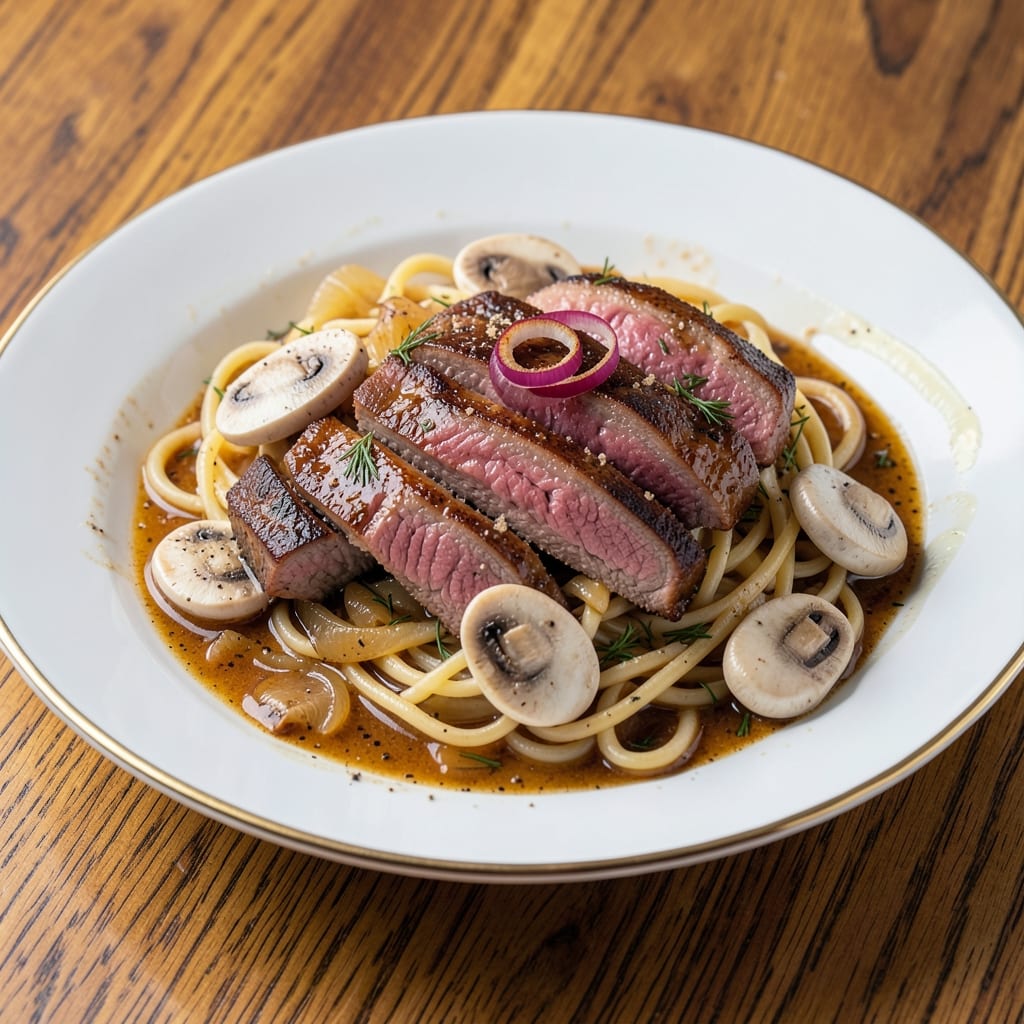
This Balthazar beef stroganoff recipe delivers the restaurant-quality creamy mushroom wine sauce you crave over perfectly cooked egg noodles. The secret lies in properly searing the beef and building layers of flavor through slow reduction of the sauce—no shortcuts here. I've perfected this French-Russian classic to ensure that rich, velvety texture that makes every bite irresistible.
The dish begins with tender strips of beef seared to golden perfection, then removed to make way for sautéed mushrooms and onions that form the aromatic base. A splash of brandy (optional but recommended) adds depth before the sauce comes together with sour cream, mustard, and beef broth. The key to that signature creamy texture? Simmering the sauce just until it thickens—no lumps, no separation.
Egg noodles cooked al dente provide the perfect foundation, absorbing the sauce while maintaining their bite. When everything comes together, you'll have a dish that's creamy yet balanced, rich without being heavy, and packed with that unmistakable stroganoff flavor profile. The aroma alone will have everyone gathering at the table.
While traditional recipes call for basic ingredients, I've included optional twists like smoked paprika or fresh dill that elevate this classic without compromising its elegance. This version stays true to the original while offering room for personalization. Ready to master this timeless favorite?
Ingredients for balthazar beef stroganoff
Here’s what you’ll need to recreate this velvety stroganoff with restaurant-quality depth.
| Ingredient | Amount | Notes |
|---|---|---|
| Beef Tenderloin 🥩 | 1 ½ lb | Thinly sliced, against grain |
| Egg Noodles 🍝 | 12 oz | Fresh or dried, al dente |
| White Button Mushrooms 🍄 | 16 oz | Sliced, fresh preferred |
| Yellow Onion 🧅 | 1 whole | Medium, thinly sliced |
| Garlic Cloves 🧄 | 4 cloves | Minced, fresh preferred |
| Brandy 🍷 | ¼ cup | Optional, for depth |
| Dry Red Wine 🍷 | ½ cup | Bold Cabernet or Merlot |
| Beef Broth 💧 | 1 ½ cups | Homemade or quality store-bought |
| Sour Cream 🧈 | 1 cup | Full-fat, room temperature |
| Dijon Mustard 🌶️ | 1 tbsp | For balance |
| Unsalted Butter 🧈 | 4 tbsp | Cold, for searing |
| Fresh Dill 🌿 | ¼ cup | Chopped, optional garnish |
| Smoked Paprika 🌶️ | ½ tsp | For depth (optional) |
| Diamond Crystal Kosher Salt 🧂 | 1 ½ tsp | Adjust to taste |
| Freshly Ground Black Pepper 🌶️ | ½ tsp | For seasoning |
The beef is non-negotiable—tenderloin delivers the perfect tenderness, but top round works if you’re on a budget. Slice it thin against the grain for that signature melt-in-your-mouth texture. I always grab mine from Whole Foods or my local butcher, but the pre-sliced packs at Costco save time. For mushrooms, cremini or shiitake add extra umami, but white buttons are classic. The onions? Yellow for sweetness, but red adds a subtle bite. Fresh dill is a must for that bright finish, but dried works in a pinch (use half the amount).
No brandy? A splash of balsamic vinegar mimics the depth—just don’t tell the purists. Red wine should be bold and dry—Cabernet or Merlot, whatever’s open. For broth, homemade is ideal, but Swanson’s or Knight’s are solid store-bought options. The sour cream is where the magic happens—full-fat is non-negotiable for that luscious texture. If you’re out, Greek yogurt thinned with a splash of milk is a decent swap. The smoked paprika is optional but adds that Balthazar-level smokiness—Penzeys or McCormick are great brands if you’re stocking up.
Butter should be cold when searing the beef—this ensures a good sear. The mushrooms and onions release their flavors quickly, so don’t overcrowd the pan. Once the sauce comes together, it’s all about patience—simmering too hard causes lumps. This reheats beautifully, but add a splash of broth to loosen it up. Leftovers keep for 3-4 days in the fridge, but honestly, it’s better the next day as the flavors meld. For meal prep, portion into containers with a layer of sour cream on top—it’ll look stunning when served.
Why You'll Love This Recipe
- Tenderloin Luxury: I’ll be real—using beef tenderloin instead of chuck makes this stroganoff feel like a restaurant dish without the fuss. That melt-in-your-mouth texture? It turns a simple weeknight meal into something special.
- Garlic-Mushroom Magic: The combo of sautéed mushrooms and caramelized onions with minced garlic? It’s where this dish gets its soul. Honestly, I could eat just that part—it’s that good.
- Prep-Ahead Powerhouse: Make the sauce ahead, store it in the fridge, and reheat it with fresh noodles in minutes. Between us, this is my go-to for busy nights when I still want something impressive.
- Leftovers That Don’t Suck: Unlike other stroganoffs, this one actually tastes better the next day. The flavors meld, and the tenderloin stays juicy—perfect for packing lunches or feeding a crowd without stress.
Step-by-step instructions for Balthazar beef stroganoff
Here's how to create a rich, velvety stroganoff with tender beef and earthy mushrooms.
Sear the Beef Tenderloin to Perfection
Pat the 1.5 lb beef tenderloin completely dry with paper towels—this ensures maximum browning. Heat a large skillet over medium-high heat and add 2 tbsp of the 4 tbsp unsalted butter. Once the butter foams, add the sliced beef in a single layer, being careful not to overcrowd the pan.
Sear for 3-4 minutes per side until the beef develops a deep golden crust and reaches medium-rare (about 130°F internal temperature). Transfer the beef to a plate and set aside. The residual heat will continue cooking it slightly. If the pan isn't hot enough, let it heat up for another minute before adding more beef—cold beef steals heat and prevents proper searing.
Build the Flavor Base with Onions and Mushrooms
In the same skillet (no need to clean it—the browned bits are flavor gold), reduce heat to medium and add the remaining 2 tbsp unsalted butter. Toss in the 1 whole yellow onion and 16 oz white button mushrooms, slicing them as you go to maximize surface area. Cook for 8-10 minutes until the onions soften and the mushrooms release their moisture, then evaporate completely.
Stir in the 4 cloves minced garlic and 0.5 tsp smoked paprika, cooking for 30 seconds until fragrant. Here's the thing—don't let the garlic burn, or it'll turn bitter. Keep a close eye on it. Once aromatic, pour in the 0.25 cup brandy (if using) and let it simmer for 1 minute to cook off the alcohol. Then add the 0.5 cup dry red wine, scraping up any browned bits from the bottom of the pan—this is called deglazing, and it's how you capture all that meaty flavor.
Simmer the Sauce with Wine and Broth
Pour in the 1.5 cups beef broth and bring to a gentle simmer. Let it reduce by half—about 5-7 minutes—until the liquid thickens slightly and coats the back of a spoon. This step develops the sauce's depth and richness. Season with 1.5 tsp diamond crystal kosher salt and 0.5 tsp freshly ground black pepper, adjusting to taste. The sauce should be velvety but not overly thick—if it's too thick, whisk in 1-2 tablespoons of water to loosen it.
Return the beef to the skillet, along with any accumulated juices. Stir in the 1 tbsp Dijon mustard and simmer for 2-3 minutes to let the flavors meld. The mustard adds a subtle tang that balances the richness of the sour cream we'll add later. Taste the sauce now—it should be savory, slightly tangy, and deeply aromatic. If it needs more depth, a splash of red wine or a pinch of salt can help.
Finish with Cream and Noodles
Reduce the heat to low and gently stir in the 1 cup sour cream. The heat should be low enough to warm the cream without curdling it—if it starts to separate, remove the skillet from heat and let it cool slightly before continuing. Simmer for 1-2 minutes just to heat through, then stir in the 0.25 cup chopped fresh dill and 12 oz cooked egg noodles. The noodles should be al dente—cooked just shy of package instructions so they don't turn mushy in the sauce.
Let the stroganoff sit off heat for 2-3 minutes to allow the flavors to meld. The sauce should coat the noodles and beef beautifully, with a creamy yet not overly thick consistency. If it's too thick, stir in a splash of the beef broth you reserved earlier. Garnish with extra dill if desired, and serve immediately while the noodles are still warm and the sauce is silky.
Pro Tips For Making Balthazar Beef Stroganoff
- CUT TENDERLOIN AGAINST THE GRAIN: I learned this the hard way—slicing beef tenderloin with the grain makes it tough as shoe leather. For stroganoff, slice against the grain into ½-inch strips, then let them sit in a bowl with a pinch of salt for 10 minutes. This keeps them fork-tender even after simmering.
- SWEAT ONIONS LOW AND SLOW: High heat turns onions bitter faster than you’d think. Cook them over medium-low for 8-10 minutes until translucent, stirring occasionally. If they start to brown too quickly, pull the pan off the heat and let them cool slightly—this is the thing that matters most for that sweet, mellow base.
- SAUTE MUSHROOMS IN BATCHES: Crowding the pan steams mushrooms instead of browning them. Split the mushrooms into two batches and cook them in a single layer over medium-high heat for 4-5 minutes per batch. You’ll get that deep, meaty flavor the recipe counts on.
- STIR IN SOUR CREAM LAST: Adding sour cream too early curdles it like clockwork. Once your beef is cooked and mushrooms are done, remove the pan from heat, stir in the sour cream off the heat, then return it to low for just 30 seconds to warm through. No exceptions—your sauce will thank you.
Best sauces and condiments for these flavors
Creamy Sour Cream
The star of stroganoff sauce is full-fat sour cream, which adds that signature velvety texture. I recommend Kroger brand or Trader Joe’s for their rich, tangy flavor. For an extra-luxurious twist, fold in 1 tbsp crème fraîche at the end—it adds a subtle tang that elevates the dish. If you're avoiding dairy, coconut yogurt thinned with a splash of broth works surprisingly well, though the texture will be slightly lighter. 🧈
Mustard for Balance
Dijon mustard is non-negotiable—it cuts through the richness of the sour cream and adds a subtle depth. I use Maille for its refined flavor, but French’s works in a pinch. For a spicier kick, add ½ tsp hot sauce or 1 tsp grainy mustard when combining the sauce. If you prefer a smoother finish, blend the Dijon with 1 tsp honey before adding it to the pan. The key is to let the mustard simmer into the sauce for 2-3 minutes so it integrates fully. 🌶️
Wine and Brandy Depth
A bold dry red wine like Cabernet Sauvignon or Merlot forms the sauce’s backbone, while brandy adds a caramelized depth. I love Louis Martini for its approachable price and Courvoisier for a premium touch. For a non-alcoholic version, substitute 1 cup beef broth plus 1 tbsp balsamic vinegar—it mimics the acidity and complexity. Always deglaze the pan after searing to capture those precious fond bits, which pack serious flavor. 🍷
Umami Boosters
For an extra layer of savory richness, stir in 1 tsp soy sauce or ½ tsp fish sauce when simmering the broth. Mushroom powder (like Better Than Bouillon) or 1 tbsp tomato paste adds depth without altering the dish’s classic profile. If you’re feeling adventurous, a pinch of smoked salt or liquid smoke (just ¼ tsp) enhances the smoky notes. These tweaks are subtle but transform the sauce from good to restaurant-quality. 🌿
Fresh Herbs Finish
Fresh dill is the traditional garnish, but chives or parsley add a bright contrast. I chop mine finely and mix it into the sauce at the end—this ensures every bite gets that herbal freshness. For a modern twist, add 1 tsp lemon zest or 1 tbsp capers to brighten the flavors. If using dried herbs, reduce to ⅓ the amount and toast them lightly in the pan for 30 seconds to release their aroma. 💫
Sauce Rescue Tips
If your sauce separates, whisk in 1 tbsp cold butter or 1 egg yolk to re-emulsify it. For a thicker consistency, simmer uncovered for 2-3 minutes to evaporate excess liquid. Overly thin? Stir in 1 tbsp cornstarch mixed with 2 tbsp cold water and simmer until glossy. The goal is a sauce that coats the back of a spoon but remains silky—not gluey. Trust me, a little patience here makes all the difference. ⏰
Nutrition facts
Frequently asked questions
Can I substitute beef tenderloin with another cut?
Yes! While tenderloin is ideal, top round or sirloin work well if sliced thin against the grain. For budget-friendly options, try chuck roast (cut into strips) or flank steak—just marinate for 30 minutes first to tenderize. Avoid tough cuts like brisket, as they won’t melt as beautifully in the sauce.
Why did my sauce turn grainy when I added sour cream?
This happens when the sauce is too hot or acidic. Always stir in sour cream over low heat and remove the pan if it starts to curdle. For a quick fix, whisk in 1 tbsp cold butter or 1 egg yolk to re-emulsify. To prevent it, reduce the sauce by half before adding cream, and avoid adding wine too early.
Can I make this recipe ahead of time?
Stroganoff tastes even better the next day as flavors meld. Cook the sauce and noodles separately, then refrigerate in airtight containers for up to 3 days. Reheat gently on low heat, adding 1-2 tbsp beef broth to loosen the sauce. For a restaurant-style presentation, reheat the sauce first, then toss with noodles to avoid sogginess.
What’s the secret to perfectly cooked egg noodles?
Cook noodles 1 minute less than package instructions, then drain and rinse with cold water to stop cooking. This prevents mushiness when mixed with the hot sauce. For extra flavor, toss with 1 tbsp butter and ½ tsp garlic powder before combining. Fresh egg noodles are ideal, but dried work if cooked al dente.
How can I make this dish lighter?
Swap half the sour cream for Greek yogurt or crème fraîche to reduce fat. Use chicken broth instead of beef, and add 1 cup spinach or zucchini noodles at the end. For protein, try leaner cuts like sirloin or chicken breast (sliced thin). The dish stays creamy but with fewer calories.