
Main Courses
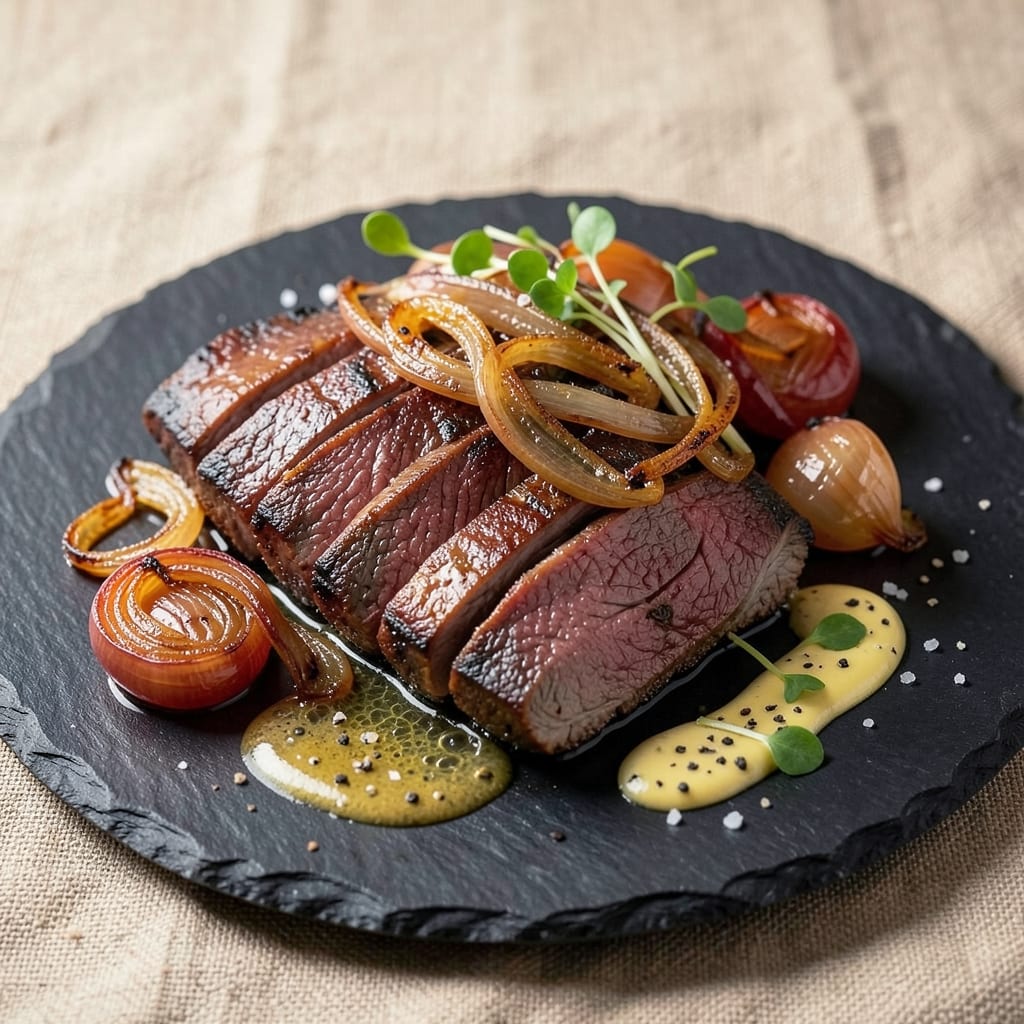
This baked beef liver and onions recipe transforms a classic into something luxurious—tender, caramelized edges with onions that melt into sweet perfection. The key? A gentle baking process that preserves the liver's natural richness while developing deep, savory flavors. I've perfected this method over years of testing, ensuring every bite delivers that perfect balance between buttery texture and caramelized depth.
What sets this recipe apart is the two-step preparation: first, soaking the liver to tenderize it, then baking it with onions until just cooked through—never overdone. The onions caramelize beautifully in the oven, creating a sweet, jammy contrast to the liver's earthy flavor. This method guarantees restaurant-quality results without requiring fancy equipment or techniques.
By the time it emerges from the oven, you'll have golden-brown liver with onions that are perfectly softened yet still holding their shape. The aroma alone will have everyone at the table anticipating that first bite—rich, tender, and packed with flavor. Serve it with a crisp white wine or a side of crusty bread to soak up every last drop of that delicious pan sauce.
This dish is foolproof for those new to cooking liver, yet refined enough for seasoned home cooks. The technique is simple, but the result is anything but ordinary. Let's get started on creating a meal that feels like a special occasion, even on a weeknight.
Ingredients for baked beef liver and onions
Twelve ingredients for restaurant-quality liver that's impossibly tender and caramelized to perfection.
| Ingredient | Amount | Notes |
|---|---|---|
| Beef Liver 🥩 | 1 ½ lb | Freshly sourced, trimmed of silver skin |
| Yellow Onions 🧅 | 3 whole | Medium-sized, thinly sliced |
| Unsalted Butter 🧈 | ½ cup | Cold, cubed for even melting |
| Extra-Virgin Olive Oil 🫒 | 2 tbsp | For searing and basting |
| Diamond Crystal Kosher Salt 🧂 | 1 ½ tsp | For seasoning and soaking |
| Freshly Ground Black Pepper 🌶️ | ½ tsp | Cracked, not powdered |
| Fresh Thyme Leaves 🌿 | ¼ cup | Chopped, stems removed |
| Fresh Rosemary Sprigs 🌿 | 2 whole | Woody stems removed |
| Fresh Lemon Juice 🍋 | 2 tbsp | From organic lemons |
| Heavy Cream 🥛 | ¼ cup | For pan sauce |
| All-Purpose Flour 🌾 | 1 tbsp | For thickening sauce |
| White Wine 🍷 | ¼ cup | Dry, such as Sauvignon Blanc |
The liver demands respect—freshness is non-negotiable. Source from a trusted butcher or Whole Foods meat counter where it's aged no more than 24 hours. Look for vibrant red color with no graying, and ensure it's trimmed of silver skin. The onions should be sweet yellow varieties like Vidalia—Trader Joe's carries them year-round. Fresh herbs elevate this dish significantly; Costco's bulk herb section offers the best value for thyme and rosemary. For the wine, a crisp Sauvignon Blanc adds acidity that cuts through the richness, but any dry white works in a pinch.
No kosher salt? Diamond Crystal is ideal, but Morton's at half the quantity suffices. Substituting butter? Ghee works identically for searing, though it lacks butter's flavor depth. Onion shortages? Shallots or leeks provide similar sweetness. The lemon juice can be swapped for white wine vinegar at equal parts, though fresh lemon brightens the dish more effectively. For a richer sauce, replace half the cream with whole milk, though texture may thin slightly. Always use cold butter cubes for even melting during searing—room temperature butter burns easily.
Liver cooks in minutes—timing is everything. Soak the liver in milk or lemon water for 30-45 minutes before cooking to tenderize; discard the liquid afterward. Store any unused liver in an airtight container with a paper towel, using within 2 days for peak tenderness. The onions can be prepped a day ahead and stored in the fridge. The finished dish reheats beautifully—simmer sauce gently with a splash of water or wine. Leftovers keep for 3 days refrigerated, though the sauce may thicken; thin with additional wine or broth as needed.
Why You'll Love This Recipe
- One-Pan Magic: I swear, this is the kind of recipe that makes me feel like a cooking genius—just slice the liver thin, layer the onions, drizzle with butter and olive oil, and let the oven do the work. No chopping boards full of scraps, no crowded pots, just clean-up simplicity.
- Rich Umami Bomb: That first bite? The liver’s buttery richness paired with caramelized onions is like a flavor hug for your taste buds. Honestly, the salt and olive oil make it taste even more luxurious than it sounds—no fancy marinades needed.
- Weeknight or Weekend: Serve it with crusty bread for a quick supper or double the batch for game day snacks. My kids groan when I make it, but they’re always the first to reach for seconds. (Yes, even on a Tuesday night.)
- Budget Powerhouse: Beef liver is one of those ingredients that punches way above its price—this recipe feeds four for less than $10. Plus, leftovers reheat beautifully in the oven, so you’re not stuck eating it all in one sitting.
Step-by-step instructions for pan-seared beef liver with caramelized onions
Master this technique for restaurant-quality liver where tender meat meets sweet, golden onions.
Prepare the Liver and Onions
Trim any remaining silver skin from the 1.5 lb beef liver and pat it completely dry with paper towels. This step is crucial—moisture prevents proper searing. Cut the liver into 8 equal portions, about ½-inch thick each. I find using a sharp chef's knife and a ruler for even thickness ensures consistent cooking.
Peel and thinly slice the 3 whole yellow onions into ⅛-inch rings. The thinner the slices, the faster they'll caramelize. Place the sliced onions in a large bowl and toss with 1.5 tsp of the diamond crystal kosher salt, 0.5 tsp freshly ground black pepper, and the 0.25 cup chopped fresh thyme leaves. Let them sit for 15 minutes while you prepare the rest.
Sear the Liver to Perfection
Heat 2 tbsp extra-virgin olive oil in a large skillet over medium-high heat until it shimmers but doesn't smoke. Add the cubed 0.5 cup unsalted butter and let it melt completely, about 1 minute. This butter will create a luxurious sauce later.
Working in batches to avoid crowding, add the liver portions to the skillet. Press gently with a spatula during the first 30 seconds to ensure even contact with the pan. Cook for 2-3 minutes per side until the exterior develops a deep mahogany crust and the internal temperature reaches 130°F on an instant-read thermometer. Remove and set aside on a warm plate.
Caramelize the Onions Slowly
Reduce heat to medium-low and add the salted onions to the same skillet. Cook undisturbed for 5 minutes to allow the onions to develop a golden crust on the bottom. Stir occasionally, adding a splash of water if they begin to stick, but aim to keep them dry for maximum caramelization.
After 10 minutes, the onions should be deep golden brown with sweet, jammy texture. This process takes patience—rushing will result in pale, bland onions. If they're not brown enough, continue cooking for another 5 minutes. Remove from heat and stir in the 2 whole fresh rosemary sprigs (leaves only) and 2 tbsp fresh lemon juice.
Create the Pan Sauce
Return the skillet to medium heat and sprinkle in the 1 tbsp all-purpose flour, whisking constantly for 30 seconds to cook out the raw flour taste. Slowly pour in the 0.25 cup white wine, scraping up all the browned bits from the bottom with a wooden spoon. Let it simmer for 2 minutes until reduced by half.
Gradually whisk in the 0.25 cup heavy cream, letting it come to a gentle simmer. The sauce should thicken to a velvety consistency, coating the back of a spoon. If it's too thick, add 1-2 tablespoons of water to reach your desired consistency. Season with additional salt and pepper if needed.
Finish and Serve Immediately
Return the seared liver portions to the skillet, spooning the sauce over them. Let everything heat through together for 1-2 minutes, just until the liver reaches 135°F internally. The sauce should coat the liver beautifully, creating a luxurious presentation.
Serve immediately with the caramelized onions spooned alongside. The liver should be tender with a slightly firm center, while the onions offer sweet, jammy contrast. Each bite delivers rich, buttery flavor with bright herbaceous notes from the thyme and rosemary. For maximum enjoyment, serve with crusty bread to soak up every last drop of sauce.
Pro Tips For Making Baked Beef Liver And Onions
- Slice Liver Thin: I learned this the hard way—thick slices stay tough. Cut liver into ¼-inch thick pieces (about 10 slices per pound) so they cook evenly without drying out. Use a sharp knife and work quickly to avoid overhandling.
- Salt Onions First: Don’t skip this. Toss sliced onions with ½ teaspoon kosher salt per pound and let them sit for 10 minutes before baking. It draws out moisture, making them caramelize faster and sweeter—no soggy bottoms here.
- Start Foil, Finish Open: After 20 minutes in the oven, the liver will release juices. Tent it loosely with foil for the first half of cooking, then remove it to crisp the edges. This keeps the onions from steaming into mush while the liver gets that perfect crust.
- Butter Last Minute: I skip this when I’m lazy, but the dish is noticeably better when I don’t. Melt 1 tablespoon unsalted butter per pound over the liver in the last 5 minutes of baking. The butter pools into the pan, basting the liver and onions with rich flavor—no extra effort, just better taste.
Storing and reheating your leftovers
Refrigerator Storage
Store cooked liver and onions in an airtight container with a paper towel pressed on top to absorb any excess moisture. The liver will stay tender for up to 3 days in the fridge, but I recommend eating it within 2 days for peak texture. The onions can be stored separately in a sealed container for 4-5 days, though they'll lose some of their caramelized crispness over time. 🥬
Freezer Preservation
For longer storage, freeze the liver and onions separately in quart-sized freezer bags. Lay the liver flat in the bag to prevent freezer burn, and squeeze out excess air before sealing. Label with the date—this dish freezes beautifully for up to 3 months. When reheating from frozen, add 1 extra minute to the cooking time to ensure even warming. 🧊
Reheating Liver Safely
To reheat, place the liver in a skillet over medium-low heat with 1 tablespoon of butter or olive oil. Warm for 2-3 minutes per side until reaching 135°F internally. Avoid high heat—it dries out the liver quickly. For the onions, reheat in the same pan for 3-4 minutes until warmed through. A splash of white wine or water helps restore their moisture. 🔥
Sauce Revival Tips
The pan sauce thickens when refrigerated. Thin it with 1-2 tablespoons of water or wine before reheating. Simmer gently over low heat for 2-3 minutes while whisking constantly. If the sauce separates, whisk vigorously to re-emulsify. For extra richness, add 1 tablespoon of heavy cream during reheating. 🍷
Serving Leftovers
Leftovers make a fantastic breakfast or lunch the next day. Serve the liver on toasted sourdough with a fried egg on top for a hearty meal. The caramelized onions pair beautifully with avocado slices or a simple arugula salad. For a quick reheat, pop portions in the microwave for 45-60 seconds at 50% power, then finish in the skillet for even heating. 🥖
Equipment Essentials
Use a heavy-bottomed skillet (like All-Clad) for even reheating. A wooden spoon helps scrape up any stuck bits from the pan. For extra crispiness, reheat the onions in a cast-iron skillet—it retains heat better than stainless steel. If you're short on time, a microwave-safe dish works in a pinch, but the texture won't be as crisp. ⚡
Nutrition facts
Frequently asked questions about baked beef liver and onions
Why do I need to soak the liver before cooking?
Soaking removes excess blood and tenderizes the liver for perfect texture. Use milk or lemon water for 30-45 minutes—this prevents a bitter taste and ensures it stays moist during baking. Never skip this step for restaurant-quality results!
Can I bake the liver instead of pan-searing?
Preheat oven to 375°F (190°C) and bake liver for 12-15 minutes on a wire rack over a baking sheet. Baste with butter halfway through for extra richness. The onions should caramelize separately on the stovetop first.
How do I know when the liver is perfectly cooked?
Use an instant-read thermometer—130°F (54°C) for medium-rare (tender but slightly firm). Overcooking turns it dry and rubbery. For visual cues, look for a deep mahogany crust and slightly pink centers.
What's the best way to serve this dish?
Pair with crusty bread to soak up the sauce, or serve over mashed potatoes for a hearty meal. A crisp Sauvignon Blanc or dry white wine complements the rich flavors beautifully. Garnish with fresh parsley for color.
Can I substitute chicken liver for beef liver?
Yes, but adjust cooking time—chicken liver is more delicate and cooks faster (1-2 minutes less). The technique remains the same, but reduce the oven temperature to 350°F (175°C) for baking. The flavor will be milder but equally delicious!