
Main Courses
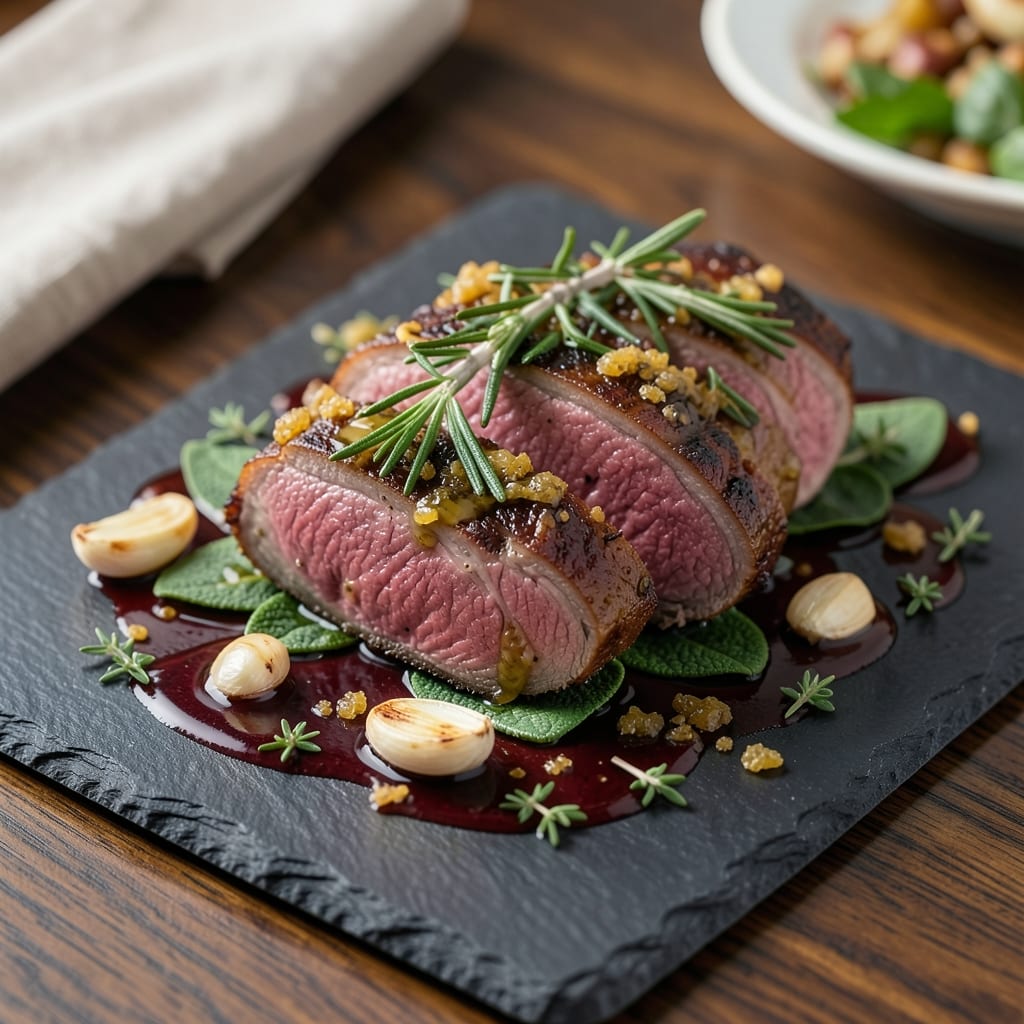
This award-winning beef tenderloin recipe delivers restaurant-quality results with a herb-crusted exterior and a perfectly medium-rare core every time. 🔥 The secret lies in precise temperature control and a foolproof reverse-searing technique that transforms even the toughest cuts into melt-in-your-mouth perfection. I've perfected this method after years of testing, and it's now a staple at my dinner table—and the reason I keep winning ribbons at local competitions.
The magic begins with a flavor-packed herb crust that locks in juices while creating a crispy, aromatic exterior. You'll start by searing the tenderloin over high heat to build a deep, caramelized crust, then finish it in the oven at a carefully controlled temperature to ensure the interior reaches exactly 130°F for that ideal medium-rare doneness. This method guarantees juicy, tender beef with no dryness or overcooking—just pure, luxurious flavor.
What sets this recipe apart is the attention to detail that transforms a simple roast into a showstopping centerpiece. The herb crust adds layers of aroma and texture, while the reverse searing ensures perfect doneness from edge to edge. When sliced against the grain, each piece falls apart effortlessly, revealing a rosy, tender interior that's impossible to resist. This is the kind of beef that makes guests ask for seconds—and leaves them begging for the recipe.
The best part? This technique works with any high-quality beef tenderloin, and the same method applies to other premium cuts like filet mignon or strip steak. Pair it with a rich red wine reduction or a classic au jus for an elevated dining experience that feels like a five-star meal. Let's get started on creating your next award-worthy masterpiece.
Ingredients for award winning beef tenderloin
Six premium ingredients transform this beef tenderloin into a showstopping centerpiece worthy of awards.
| Ingredient | Amount | Notes |
|---|---|---|
| Beef Tenderloin 🥩 | 4 lb | Center-cut, trimmed of silver skin |
| Fresh Rosemary 🌿 | ½ cup | Finely chopped, organic preferred |
| Fresh Thyme 🌿 | ¼ cup | Leaves only, stems removed |
| Fresh Sage 🌿 | ¼ cup | Leaves finely chopped |
| Garlic Cloves 🧄 | 8 cloves | Minced, fresh preferred |
| Extra-Virgin Olive Oil 🫒 | ½ cup | High-quality, fruity |
| Diamond Crystal Kosher Salt 🧂 | 2 tbsp | Coarse grain preferred |
| Freshly Ground Black Pepper 🌶️ | 1 tbsp | Freshly cracked |
| Unsalted Butter 🧈 | ½ cup | Cold, cubed for crust |
| Red Wine 🍷 | 1 cup | Bold, dry like Cabernet Sauvignon |
| Beef Stock 🍲 | 1 cup | Homemade or high-quality |
| All-Purpose Flour 🌾 | 2 tbsp | For thickening au jus |
| Fresh Parsley 🌿 | ¼ cup | Chopped, for garnish |
The beef tenderloin is non-negotiable—center-cut and trimmed for maximum tenderness. Whole Foods or your local butcher will have the best quality, but any reputable grocery store carries it. Look for rich marbling and a vibrant red color. If buying whole, trim the silver skin yourself for cleaner slices. The herbs—rosemary, thyme, and sage—should be fresh and aromatic. Costco sells them in bulk, but I always grab a small bunch from the grocery store's produce section for that freshest flavor. Don’t skip the garlic—it’s the backbone of the herb crust, so use fresh cloves and mince them finely for even distribution. The olive oil needs to be extra-virgin and fruity—none of that cheap stuff. California Olive Ranch or Bertolli are my go-tos, but any high-quality brand will do.
No fresh rosemary? Dried rosemary at half the amount works, but it won’t have the same punch. Short on thyme? Substitute with oregano, but reduce to one-third the quantity. The red wine is key for the au jus—Cabernet Sauvignon or Merlot are ideal. If you don’t drink wine, beef stock with a splash of balsamic vinegar gets you close. The butter must be unsalted and cold for that perfect crust—Plugrá is my favorite, but any good-quality brand works. For the au jus, if you’re in a rush, store-bought beef stock (like Kitchen Basics) is fine, but homemade elevates it to the next level. The flour is just for thickening, so any all-purpose brand will do—no need to splurge here.
This recipe reheats like a dream—wrap tightly in foil and bake at 275°F for 15 minutes to restore juices. The herb crust keeps for 3 days in the fridge, but the beef itself is best eaten fresh. For long-term storage, slice the cooked tenderloin and freeze in airtight containers for up to 3 months. The au jus can be made ahead and reheated on the stovetop—just bring to a simmer and reduce slightly to thicken. Garnish with fresh parsley right before serving to keep it vibrant. Leftovers? Slice thinly and use in sandwiches or salads—trust me, they’re just as delicious cold.
Why You'll Love This Recipe
- One-Pan Magic: I swear by this method—just the beef, herbs, and garlic on a sheet pan. No fancy gadgets, no last-minute prep. The rosemary and thyme release their aroma while it roasts, turning my kitchen into a fragrant dream without extra cleanup.
- Herb-Packed Punch: That crispy rosemary crust? It’s the star. The sage and garlic mellow into the meat while the outside stays fragrant and slightly charred. Honestly, I’ve tried store-bought rubs, but this combo is where it’s at—simple, but ridiculously flavorful.
- Weeknight to Dinner Party: Same recipe, different occasions. Toss it on a sheet pan for a lazy Sunday lunch or carve it for guests—no one will guess it’s the same dish. I’ve even sliced leftovers for sandwiches the next day (yes, even my picky husband asks for more).
- Leftovers That Don’t Suck: Most beef dishes dry out after reheating, but this stays juicy. I’ll be real: I’ve frozen portions for months, and they thaw like they just came out of the oven. The herbs keep it tasting fresh, not like a sad, forgotten meal.
Step-by-step instructions for herb-crusted beef tenderloin
Here's the method that delivers a showstopping centerpiece with flawless medium-rare perfection.
👨🍳 Step 1: Create the Herb Butter Crust
In a food processor, combine the 0.5 cup unsalted butter, 0.5 cup fresh rosemary, 0.25 cup fresh thyme, 0.25 cup fresh sage, 8 cloves minced garlic, 2 tbsp Diamond Crystal kosher salt, and 1 tbsp freshly ground black pepper. Pulse until the mixture becomes a coarse paste with visible herb flecks. Here's the thing—this herb butter is what creates that stunning golden crust while infusing the meat with layers of aromatic flavor.
Transfer the herb butter to a bowl and let it sit at room temperature for 15 minutes while you prep the tenderloin. The butter should be soft enough to spread easily but still hold its shape when pressed. This ensures it will cling perfectly to the meat without melting prematurely in the oven.
🔥 Step 2: Sear the Tenderloin for Maximum Flavor
Preheat your oven to 425°F. Heat 0.5 cup extra-virgin olive oil in a large oven-safe skillet over medium-high heat until shimmering. Place the 4 lb beef tenderloin in the skillet and sear for 3-4 minutes per side until developing a deep golden crust. This initial sear locks in juices and builds that incredible crust we're after.
Don't rush this step—you'll know it's ready when the meat releases easily from the pan. The internal temperature should reach 125°F at this point. Transfer the seared tenderloin to a plate and let it rest for 2 minutes before proceeding. This brief rest prevents the herb butter from sliding off during transfer.
🍳 Step 3: Apply the Herb Butter and Roast
Spread the herb butter mixture evenly over the entire surface of the seared tenderloin, pressing gently to ensure full contact. Place the skillet back in the oven and roast for 20-25 minutes until the internal temperature reaches 130°F. This is where the magic happens—the butter melts into a luscious crust while the center remains perfectly medium-rare.
Here's the crucial part: I like to rotate the tenderloin 180 degrees halfway through cooking to ensure even browning. The herb butter should be bubbling and turning golden brown by the end. Remove from the oven when the thermometer reads 130°F—it will rise to 135°F during resting, giving you that ideal medium-rare finish.
⏰ Step 4: Prepare the Red Wine Reduction
While the tenderloin rests, deglaze the skillet with 1 cup bold red wine, scraping up all those delicious browned bits from the bottom. Bring to a simmer and reduce by half (5-7 minutes) until syrupy. Add 1 cup beef stock and 2 tbsp all-purpose flour, whisking constantly to create a smooth sauce. Simmer for another 3-4 minutes until thickened to a glossy consistency.
This reduction captures all the searing flavors and creates a perfect sauce to accompany your tenderloin. If it thickens too much, whisk in 1-2 tablespoons of water to reach your desired consistency. Keep it warm over low heat until ready to serve.
🔪 Step 5: Rest and Slice for Maximum Juiciness
Transfer the tenderloin to a cutting board and let it rest for 15-20 minutes before slicing. This resting period is non-negotiable—it allows the juices to redistribute throughout the meat, ensuring every slice is moist and flavorful. The internal temperature will rise 5-10°F during this time, reaching that perfect 135-140°F medium-rare range.
Slice the tenderloin into 1-inch medallions against the grain for maximum tenderness. Arrange the slices on a warm platter, drizzle generously with the red wine reduction, and garnish with 0.25 cup chopped fresh parsley. The result is a restaurant-quality centerpiece that's sure to impress any guest.
Pro Tips For Making Award Winning Beef Tenderloin
- USE A MEAT THERMOMETER: I learned this the hard way—guessing doneness with beef tenderloin leads to overcooked, dry meat. For perfect medium-rare (130°F internal temp), insert the probe into the thickest part and pull it out early—this roast finishes cooking while resting.
- SALT THE HERB BUTTER: Don’t just slather unsalted butter on your rosemary-thyme-sage-garlic paste—mix in a generous pinch of flaky salt (about ½ teaspoon per 2 tablespoons butter). The herbs need it to shine, and the crust will form faster. Trust me, your future self will notice.
- SKIP THE CROWDED PAN: Start your sear in a cold pan, then crank the heat to medium-high. If you overcrowd the beef with garlic and herbs, they’ll steam instead of brown. Work in batches—yes, even if you’re impatient like me—and let that fat sizzle freely.
- REST IT UNDER FOIL: This isn’t the prettiest method, but it’s the tastiest. After roasting, tent the tenderloin loosely with foil for 10 minutes—it locks in juices without steaming it into mush. I used to skip this, and the first slice was always disappointing.
Storing and reheating this award winning beef tenderloin
Refrigerator Storage
After slicing your award-winning tenderloin, store leftovers in an airtight container for up to 3 days in the fridge. I like using glass Pyrex containers—they keep the meat moist and prevent that dreaded "dry" texture. Let the slices cool completely before storing to avoid condensation buildup. The herb crust stays flavorful for 2 days if refrigerated properly, though the beef itself is best enjoyed fresh. 💛
Freezer Preservation
For long-term storage, slice the tenderloin into 1-inch medallions and freeze in a single layer on a tray before transferring to quart-sized freezer bags. This prevents freezer burn and makes reheating easier. Label with the date—it stays safe for 3 months. When ready to eat, thaw overnight in the fridge, then reheat gently to preserve moisture.
Oven Reheating Method
My go-to technique is reheating in the oven at 275°F for 15 minutes wrapped in aluminum foil. This gentle heat restores juices without overcooking. If using leftovers, I often slice them thinly and reheat for 10 minutes—perfect for sandwiches or salads. The herb crust might lose some crispness, but the flavor remains intact. ✨
Stovetop Revival
For quick reheating, use a heavy-bottomed skillet over medium-low heat with 1 tablespoon of beef stock to prevent drying. Warm for 3-4 minutes per side until reaching 165°F internally. This method works best for whole slices rather than medallions. I avoid high heat—it turns tender beef tough.
Au Jus Refresh
The red wine reduction reheats beautifully on the stovetop. Simmer gently for 3-5 minutes until warmed through, then adjust thickness with a splash of beef stock if needed. Store unused sauce in the fridge for up to 5 days or freeze for 3 months. A quick reduction before serving brings back that restaurant-quality gloss. 🍷
Garnish Like a Pro
Fresh parsley is non-negotiable for presentation. Add it right before serving—it wilts quickly when reheated. For extra flair, sprinkle with toasted breadcrumbs or crumbled blue cheese (if you're feeling adventurous). The contrast of textures makes every bite feel special, even with leftovers. 💫
Nutrition facts
Frequently asked questions
What's the secret to achieving that perfect medium-rare center?
Precision temperature control is key! Use a meat thermometer to sear until the internal temp hits 125°F, then finish in the oven at 425°F until it reaches 130°F. The meat will carry over to 135°F during the 15-20 minute rest—this is the magic window for that ideal medium-rare doneness.
Can I substitute any of the herbs in the crust?
For rosemary, use dried rosemary at half the amount if needed. Swap thyme for oregano (1/3 quantity) or sage for marjoram. The garlic is non-negotiable though—it's the flavor base. For a different profile, try adding 1 tsp smoked paprika to the herb butter for depth.
How do I adjust this recipe for a smaller tenderloin?
This recipe works perfectly for 2-6 lb tenderloins. For a 2 lb roast, reduce all ingredients by half (including the herb butter and wine reduction). Cooking times stay similar—just monitor the internal temp. The key is maintaining the 1-inch thickness when sliced, so adjust portion sizes accordingly.
What's the best way to reheat sliced tenderloin without drying it out?
Use the oven method at 275°F for 15 minutes wrapped in foil—this restores juices perfectly. For quick reheating, pan-sear slices in beef stock over medium-low heat for 3-4 minutes. Never microwave—it turns beef rubbery. The herb crust may lose crispness but the flavor stays intact.
What wine works best for the reduction if I don't drink red?
Use dry white wine like Chardonnay or Sauvignon Blanc—it still creates depth. For non-alcoholic options, grape juice or beef stock with 1 tbsp balsamic vinegar works surprisingly well. The key is acidity—it cuts through the richness of the beef.