
Main Courses
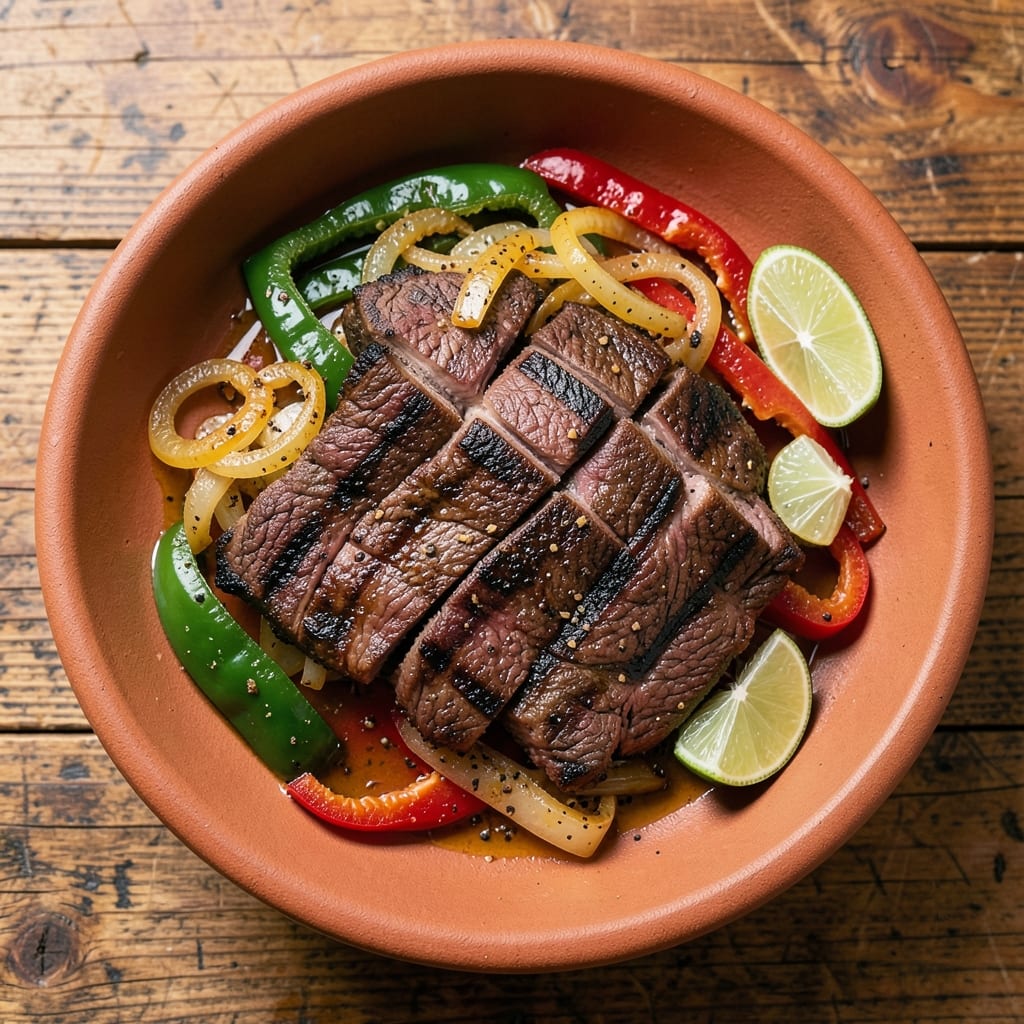
This authentic Mexican beef fajita recipe delivers the smoky, charred flavors of street-tavern classics right in your kitchen. The secret lies in marinating skirt steak with cumin, chili powder, and lime juice—transforming tough cuts into tender, flavorful strips. I've perfected this technique after years of testing, ensuring every bite delivers that perfect balance of spice and freshness.
What sets these fajitas apart is the traditional approach: charring onions and bell peppers directly over high heat until blistered and sweet, then tossing them with the marinated beef. The result is a dish where every component—juicy steak, smoky vegetables, and warm corn tortillas—comes together in perfect harmony. This isn't just another fajita recipe; it's a taste of Mexico's vibrant street food culture.
The beauty of this method is its flexibility—prepare all components ahead of time, then assemble quickly when ready to serve. The beef stays tender and packed with flavor, while the vegetables retain their vibrant colors and natural sweetness. Serve with classic toppings like crumbled queso fresco, fresh cilantro, and a squeeze of lime for that authentic Mexican touch.
Perfect for game day, Taco Tuesday, or a lively dinner party, these fajitas bring the energy of a Mexican fiesta to your table. The key is in the details: using corn tortillas, fresh ingredients, and that essential char from the grill or skillet. Let's get cooking!
Ingredients for authentic mexican beef fajita
These vibrant ingredients bring Mexico's street-tavern flavors straight to your kitchen—juicy steak, smoky peppers, and zesty lime all in one dish.
| Ingredient | Amount | Notes |
|---|---|---|
| Skirt Steak 🥩 | 1 ½ lb | Thinly sliced against grain |
| Yellow Onions 🧅 | 2 whole | Sliced into 1/2-inch strips |
| Bell Peppers 🌶️ | 3 whole | Mixed colors, sliced into strips |
| Lime Juice 🍋 | ½ cup | Freshly squeezed |
| Olive Oil 🫒 | ¼ cup | Extra-virgin preferred |
| Ground Cumin 🌿 | 2 tsp | Toasted for deeper flavor |
| Chili Powder 🌶️ | 2 tbsp | Medium heat preferred |
| Garlic Cloves 🧄 | 6 cloves | Minced or pressed |
| Salt 🧂 | 1 ½ tsp | Kosher or sea salt |
| Black Pepper 🌶️ | 1 tsp | Freshly ground |
| Corn Tortillas 🌽 | 8 whole | Medium or large size |
| Fresh Cilantro 🌿 | ¼ cup | Chopped for garnish |
| Queso Fresco 🧀 | ½ cup | Crumbled for topping |
| Avocado Oil 🫒 | 2 tbsp | High smoke point for charring |
The skirt steak is non-negotiable here—it's the star of the show. Look for well-marbled cuts at your local butcher or Latin market, where they often sell it pre-sliced for fajitas. H-E-B or Central Market carry excellent skirt steak, and it's usually cheaper than at regular grocery stores. If you can't find skirt steak, flank steak works in a pinch, but slice it against the grain for tenderness. For the bell peppers, mixed colors add visual appeal, but stick to 2 red and 1 yellow for classic flavor. The onions? Yellow or white—they caramelize beautifully and add that essential sweetness to balance the heat.
No fresh cilantro? Dried coriander at half the amount works in a bind, though it won't have the same bright flavor. Running low on lime juice? Substitute lemon juice, but add a pinch of salt to mimic lime's tang. The chili powder can be swapped for mix of cayenne and smoked paprika if you're out, but keep the cumin—it's the soul of this dish. For the tortillas, corn is a must—flour tortillas won't give you that authentic texture. Mission brand is my go-to, but any fresh corn tortillas will do. And if you're feeling fancy, toast them briefly in the skillet before serving—trust me on this.
The skirt steak marinates best for at least 2 hours, but overnight is ideal. Store it in a sealed container in the fridge. The chopped peppers and onions can be prepped ahead and refrigerated for up to 2 days—they actually taste better after sitting for a bit as the flavors meld. Queso fresco keeps for about 1 week in the fridge, but if it dries out, just crumble it fresh. For leftovers, store everything separately—the beef and veggies will keep for 3 days, while the tortillas are best used fresh. This dish reheats beautifully, but nothing beats the first batch straight off the skillet.
Why You'll Love This Recipe
- One-Pan Magic: I swear by this for nights when I’d rather not scrub pots—just slice the onions and peppers, toss them with the steak in a screaming-hot pan, and let the olive oil work its magic. The smoky char from the skirt steak sticks to the peppers like they’re meant to be there.
- Smoky Lime Zing: That first bite of perfectly seared skirt steak with the bright hit of lime juice? Honestly, it’s the kind of flavor that makes you pause mid-chew. The onions caramelize just enough to balance the pepper’s sweetness, and the lime ties it all together—like a little citrus hug for your taste buds.
- Taco Night Every Day: Between us, this recipe is my secret weapon for lazy Mondays and company dinners. Double the batch, wrap the leftovers in foil, and reheat for lunch—no one will guess it’s the same meal. (Yes, even on a Tuesday night.)
- Budget-Friendly Protein: Skirt steak is the unsung hero of affordable meals—it’s lean, packs serious flavor, and stretches across multiple servings. I’ve made this feed six people for under $20, and somehow, there’s always seconds. Not the prettiest, but the taste makes up for it.
Step-by-step instructions for authentic Mexican beef fajitas
Let's bring the smoky, charred flavors of Mexico right to your kitchen—crispy, tender, and bursting with authentic taste.
Prep the Skirt Steak with Bold Mexican Flavors
Start by slicing the 1.5 lb skirt steak thinly against the grain—this ensures tender bites. In a bowl, combine the sliced steak with 2 tbsp chili powder, 2 tsp ground cumin, 1.5 tsp salt, and 1 tsp black pepper. Mix gently but thoroughly so every piece gets coated. Let it marinate for at least 15 minutes—this step is non-negotiable for maximum flavor. I like to press the spices into the meat slightly so they stick.
While the steak marinates, slice the 2 whole yellow onions into ½-inch strips and the 3 whole bell peppers (mixed colors) into strips as well. The goal is even-sized pieces so everything cooks uniformly. Set these aside—they'll char beautifully alongside the steak. This prep work makes the sizzling step so much easier later.
Char the Vegetables and Steak Over High Heat
Heat 2 tbsp avocado oil in a large skillet over high heat until it shimmers. Add the sliced onions and bell peppers, spreading them out in a single layer. Let them cook undisturbed for 4-5 minutes until they develop deep char marks and soften slightly. Stir occasionally, but resist the urge to move them too much—those charred spots are packed with flavor. You're aiming for golden-brown edges and slightly blistered skin.
Once the vegetables are charred, push them to one side of the pan and add the marinated steak. Cook for 3-4 minutes per side until it develops a deep brown crust and releases easily from the pan. The steak should be medium-rare at this point—it'll finish cooking with the residual heat. Here's the thing: don't overcrowd the pan, or you'll steam the meat instead of searing it. Work in batches if needed.
Build the Fajita Sauce with Lime and Aromatics
Reduce the heat to medium and add the 6 cloves minced garlic to the same pan. Let it sizzle for 30 seconds until fragrant—this ensures the raw garlic flavor mellows into something sweet and aromatic. Pour in the 0.5 cup lime juice and 0.25 cup olive oil, then scrape up any browned bits from the bottom of the pan. These bits are pure flavor, and they'll create a silky, tangy sauce that ties everything together.
Let the sauce simmer for 1-2 minutes until it thickens slightly and coats the back of a spoon. Taste and adjust seasoning if needed—you might want to add a pinch more salt or a splash of lime juice to balance the flavors. The sauce should be bright, slightly acidic, and packed with umami from the caramelized bits. This is the secret to authentic fajita flavor.
Warm the Tortillas and Assemble
While the sauce simmers, warm the 8 whole corn tortillas over a dry skillet or in a tortilla press. They should be pliable and slightly charred in spots—this adds texture and prevents them from getting soggy. Keep them covered with a clean towel to stay warm. The key here is to warm them just before serving so they stay fresh and crisp.
To assemble, divide the charred vegetables and steak evenly among the tortillas. Drizzle with the lime-garlic sauce and sprinkle with 0.5 cup crumbled queso fresco and 0.25 cup chopped fresh cilantro. Roll them up tightly or fold them in half—either way works. Serve immediately with extra sauce on the side for dipping. The contrast of crispy tortillas, tender steak, and charred vegetables is what makes these fajitas unforgettable.
Serve with Confidence and Authentic Flair
Garnish each fajita with an extra sprinkle of queso fresco and a few cilantro leaves for that restaurant-quality presentation. The steak should be juicy with a smoky crust, the peppers should be slightly blistered but still crisp, and the tortillas should hold together without falling apart. Serve with a side of sliced avocado or a simple Mexican street corn salad if you're feeling extra authentic.
This is where the magic happens: the combination of high-heat charring, bright lime, and fresh toppings creates a dish that tastes like it came straight from a bustling Mexican taquería. The secret? Don't rush the charring—those blackened edges are what give fajitas their soul. Enjoy every bite of this authentic, smoky, and utterly delicious meal!
Pro Tips For Making Authentic Mexican Beef Fajita
- Slice Against the Grain: Skirt steak’s fibers run diagonally—cutting perpendicular to them turns tough chews into tender bites. I learned this the hard way after serving fajitas with stringy meat that needed a fork. Use a sharp knife and slice after resting, not before.
- Char the Peppers First: Toss whole bell peppers and onions into the screaming-hot pan before the meat—let them blister and blacken in spots. This builds smoky depth the recipe skips, and you’ll end up with caramelized edges instead of sad, limp veggies. (Yes, even if you’re impatient like me.)
- Salt the Skirt Steak Twice: Generously salt the raw meat and again after searing. The first layer seasons deeply while the second builds that crust. I was skeptical until I tried it—now I double-salt everything, and the fajita flavor pops.
- Use a Mix of Lime Juice: Finish with a splash of lime and a pinch of lime zest—it brightens the dish in ways straight juice can’t. The zest adds a citrusy aroma that lingers, and it’s the one upgrade that actually changes the outcome. (Your future self will notice.)
Wine and beer pairings for these flavors
Crisp White Wine
For fajitas, I always reach for a dry Mexican white wine like Baja Malbec or Verdejo—both have bright acidity that cuts through the richness of the charred peppers and steak. The crisp, citrusy notes complement the lime in the marinade without overpowering the dish. If you prefer something lighter, a chilled Sauvignon Blanc from Chile works beautifully, especially if it has herbal undertones to match the cilantro and cumin. 🍷
Light-Bodied Red
A Pinot Noir from Mexico's Baja Peninsula is my go-to red pairing—it's light enough to let the fajita flavors shine while adding a touch of earthiness that pairs perfectly with the cumin and chili. Look for one with bright cherry notes and a smooth finish to balance the smoky char. If you can't find a Mexican Pinot, a Spanish Garnacha offers similar characteristics with a touch of spice.
Mexican Lager
For a non-alcoholic or casual option, Modelo Especial or Pacifico Clara are classic choices. The crisp, clean profile of these Mexican lagers enhances the fajita's fresh ingredients without competing. I often serve them ice-cold in chilled copper mugs for that authentic cantina feel. If you want something with a bit more body, try Negra Modelo—its maltiness pairs wonderfully with the caramelized onions and peppers. 🍺
Spiced Beer Pairing
For a bolder beer option, consider a Mexican-style wheat beer with a hint of citrus, like Tecate or Corona Premier. The effervescence cleanses your palate between bites, while the subtle lime notes echo the dish's marinade. If you're feeling adventurous, a Mexican IPA with chili and orange notes (like Estrella Damm Daura) adds a fun contrast to the smoky fajitas. Just avoid heavy, hoppy IPAs—they'll overpower the delicate flavors.
Serving Temperature
Wine should be served chilled but not ice-cold—around 50-55°F for whites and 55-60°F for reds. Beer should be well-chilled (38-42°F) to highlight its crispness. I like to pour wine into wide-rimmed glasses to concentrate the aromas, while beer benefits from a pint glass to showcase its head. Pro tip: Let your wine breathe for 10-15 minutes before serving if it's been opened for a while—it makes a noticeable difference. ✨
Nutrition facts
Frequently asked questions
Can I use flank steak instead of skirt steak? Yes! Flank steak works perfectly as a substitute. Just
How do I get the perfect char on my fajita vegetables?
The secret is high heat and patience. Use a cast-iron skillet and let the onions and peppers cook undisturbed for 4-5 minutes until they develop deep blackened spots. Stir only when necessary—those charred edges are packed with smoky flavor. Avocado oil's high smoke point helps achieve that authentic street-tavern char.
What's the best way to keep tortillas warm?
Wrap them in a clean kitchen towel and place in a 200°F oven for up to 20 minutes, or warm them directly in a dry skillet for 10-15 seconds per side until pliable. Never microwave—they'll turn rubbery. For serving, keep them covered with a towel to maintain warmth.
Can I make fajitas ahead of time?
Prep the steak marinade and chop the vegetables up to 2 days ahead. Store separately in the fridge. Cook the beef and veggies just before serving—this keeps everything fresh and crisp. Warm the tortillas separately. The only component that doesn't reheat well is the lime-garlic sauce, so make that fresh.
What if my steak turns out too tough?
This usually happens if the meat wasn't sliced against the grain or cooked too long. For next time, slice thinly against the grain and cook only until medium-rare (130-135°F internal temp). The residual heat will carry it to perfect doneness. Also ensure your pan is screaming hot before adding the meat—this creates a good sear that locks in juices.